


 English
 Español
 Deutsch
 日本語
日本語 Français
 한국의
한국의 Українська
 Italiano
 Nederlands
 Türkçe
 Português
 Bahasa Indonesia
 Русский
 中國
中國 हिंदी
हिंदी
















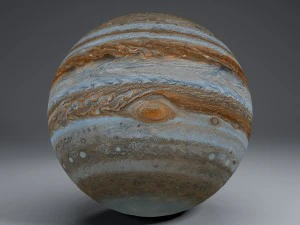
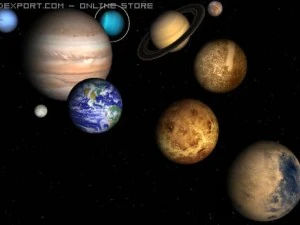
Jupiter Modele 3D
Mamy 115 produkty/ów Bez opłat licencyjnych jupiter Modele 3D. Kup lub pobierz bezpłatne modele 3D do swoich projektów CG, produkcji filmowych i wideo, animacji, wizualizacji, gier, VR/AR i innych. Możesz pobrać dowolny model 3D we wszystkich popularnych formatach 3D, w tym MAX, OBJ, FBX, 3DS, STL, C4D, BLEND, MAYA
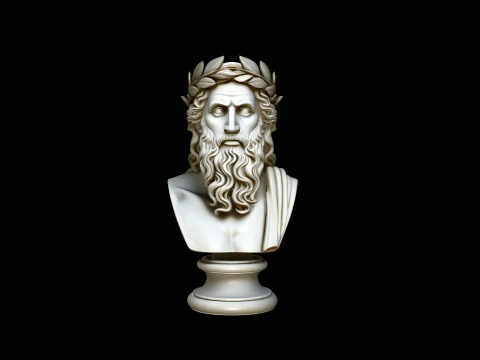 ARCHVANTASTUDIOSculpture
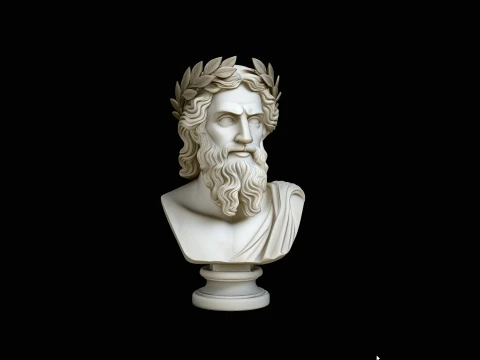 ARCHVANTASTUDIOSculpture
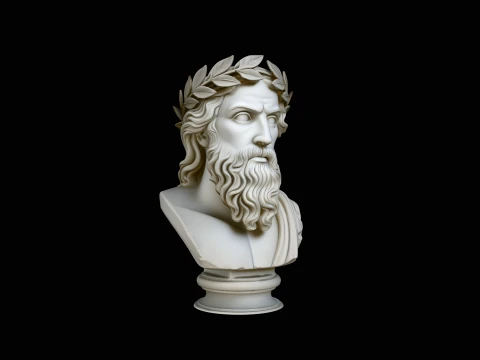 ARCHVANTASTUDIOSculpture
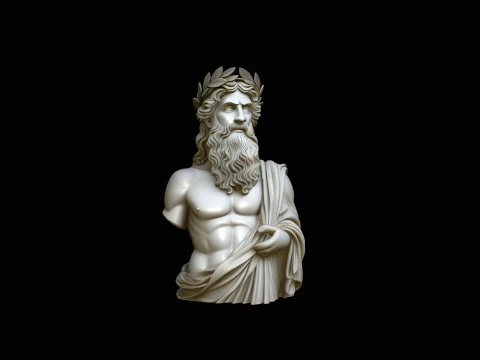 ARCHVANTASTUDIOSculpture
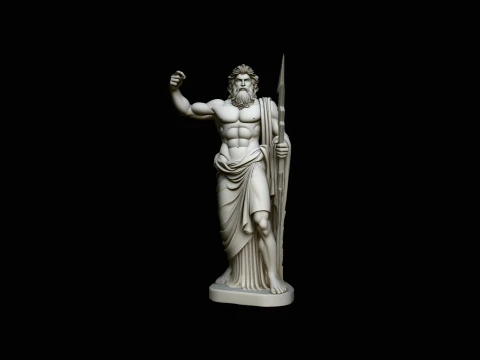 ARCHVANTASTUDIOSculpture
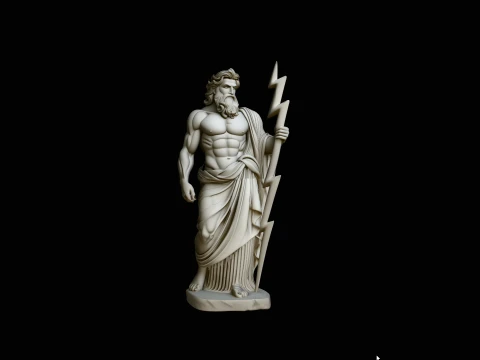 ARCHVANTASTUDIOSculpture
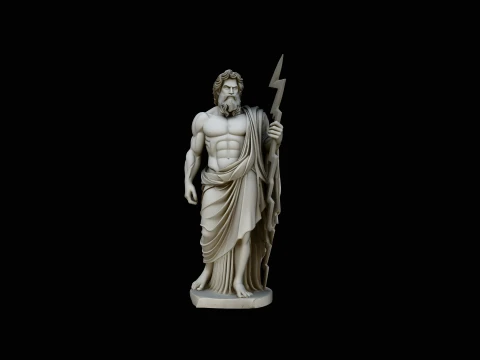 ARCHVANTASTUDIOSculpture
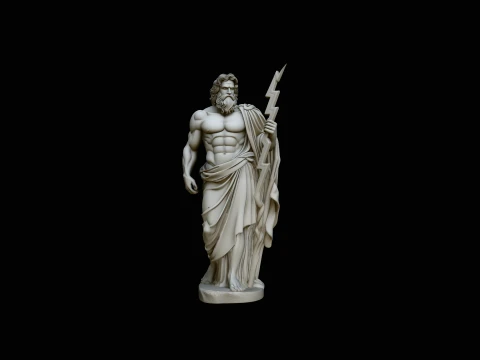 ARCHVANTASTUDIOSculpture
 ARCHVANTASTUDIOSculpture
 ARCHVANTASTUDIOSculpture
 ARCHVANTASTUDIOSculpture
 ARCHVANTASTUDIOSculpture





























Popularne wyszukiwania Modele 3D:
Rzeźba Modele 3D Postacie Modele 3D Kuchnia Modele 3D Koń Modele 3D Architektoniczne Zewnątrz Modele 3D Telefon i Komórkowy Modele 3D Warzywo Modele 3D Biżuteria Modele 3D Zabawki Modele 3D Medyczny Modele 3D Śmigłowiec Modele 3D Ciężka Broń Modele 3D Ciężarówka Modele 3D Anatomia Modele 3DQ1: What texture data is used for accurate Jupiter 3D models?
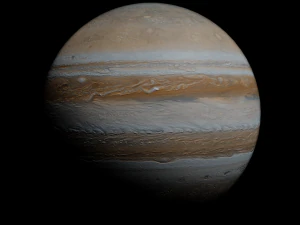
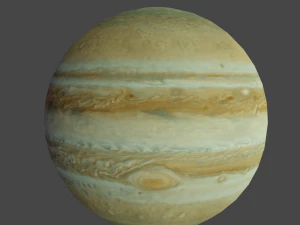
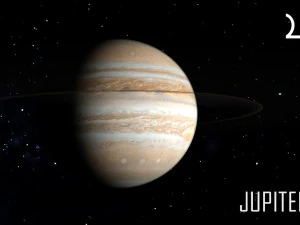
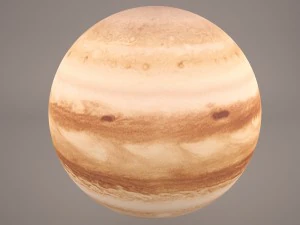
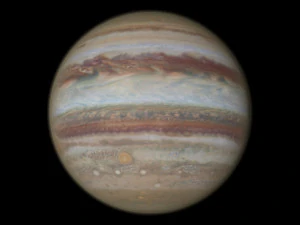
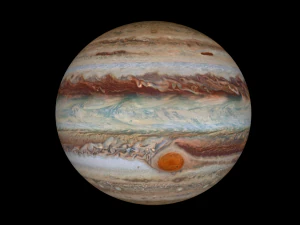
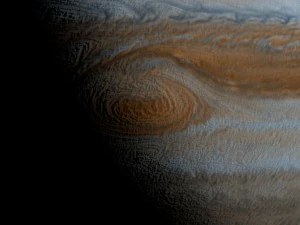
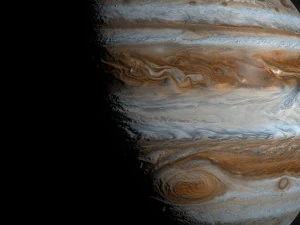
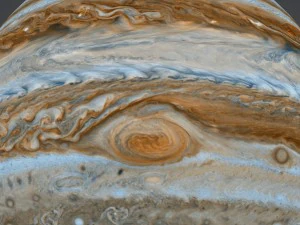
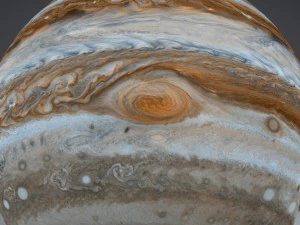
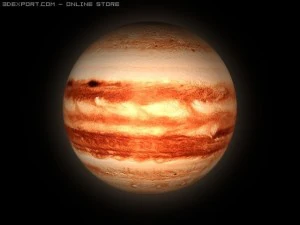
NASA's Cassini mission (Jupiter flyby in 2000) and the Juno spacecraft (in Jupiter orbit since 2016) have produced the highest-resolution imagery of Jupiter's atmosphere available. JunoCam data, publicly released by NASA, provides stunning close-up imagery of the cloud bands and storm systems including the Great Red Spot — a persistent anticyclonic storm roughly 1.3× Earth's diameter that has been shrinking measurably over the past century. An accurate Jupiter texture uses equirectangular projection of this data, with the characteristic alternating light zones and dark belts at correct latitudinal positions. The Great Red Spot sits at approximately 23 degrees south latitude. Models using generic orange-and-white striped textures without this data look generic rather than scientifically grounded.
Q2: What are Jupiter 3D models used for in educational and scientific contexts?
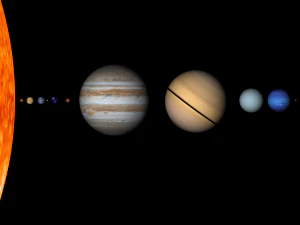
Planetary science education from elementary through university level uses Jupiter models to teach gas giant structure, atmospheric dynamics, and the scale of the outer solar system. The Juno mission in particular has increased public interest in Jupiter's complex atmospheric structure — the discovery that Jupiter's belts extend thousands of kilometers deep (not just surface features) is a recent finding that updated educational content needs to reflect. Solar system visualization tools, planetarium software, and space exploration games all use Jupiter models. For scale demonstrations — Jupiter's diameter is 11× Earth's — comparative planet size models are a common educational visualization.
Q3: How do I create an animated Great Red Spot in Blender?
The Great Red Spot rotates counterclockwise (it's an anticyclone in the southern hemisphere) with a rotation period of approximately 7 days. In Blender, create the Jupiter sphere with the equirectangular texture. Add a second, slightly larger sphere with only the Great Red Spot region visible (using a masked texture with the surrounding area transparent). Animate this second sphere rotating at the correct rate — much slower than the planet's 10-hour rotation for the surface bands. The spot also shows a slight oval precession over time (it drifts in longitude relative to the surface features). For the cloud band rotation, animate the base texture's UV offset using a driver connected to a timeline-based expression — different bands rotate at slightly different speeds, which is real atmospheric differential rotation.
Q4: What makes a Jupiter model convincing for space game environments?
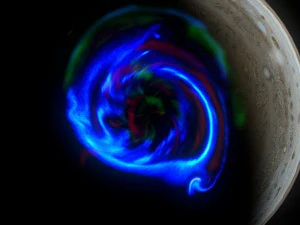
Three things beyond the basic texture. Atmospheric depth — a slight volumetric haze layer at the outer atmosphere boundary, achieved in Blender with a barely-visible Volume Scatter shader on a sphere slightly larger than the solid surface. The distinctive color gradient from equator to poles — Jupiter's polar regions are noticeably more blue-grey than the orange-brown equatorial bands. And the auroral ovals at the poles — Jupiter has the most powerful auroras in the solar system, visible as blue-purple emission features at high latitudes. These aurora can be added as emissive material masked to the polar regions. The combination of atmospheric haze, correct polar coloration, and aurora emission makes a Jupiter model feel like a real astronomical object rather than a painted ball.