


 English
 Español
 Deutsch
 日本語
日本語 Français
 한국의
한국의 Українська
 Italiano
 Nederlands
 Türkçe
 Português
 Bahasa Indonesia
 Русский
 中國
中國 हिंदी
हिंदी
















telewizor Modele 3D
Mamy 53 produkty/ów Bez opłat licencyjnych tvset Modele 3D. Kup lub pobierz bezpłatne modele 3D do swoich projektów CG, produkcji filmowych i wideo, animacji, wizualizacji, gier, VR/AR i innych. Możesz pobrać dowolny model 3D we wszystkich popularnych formatach 3D, w tym MAX, OBJ, FBX, 3DS, STL, C4D, BLEND, MAYA
 mahsajaladatBedroom
- -40%
 akerStudioExhibit
  akerStudioExhibit
 akerStudioExhibit
 akerStudioExhibit
 akerStudioExhibit
 akerStudioExhibit
 akerStudioExhibit




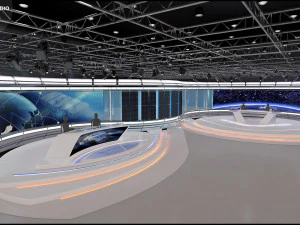
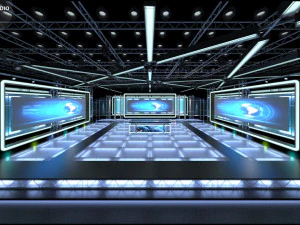
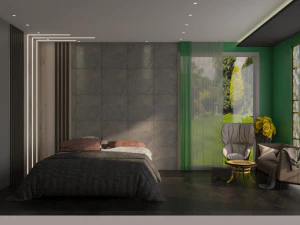
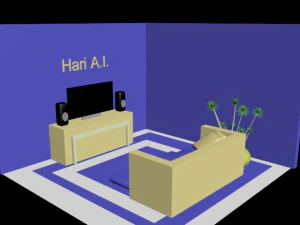

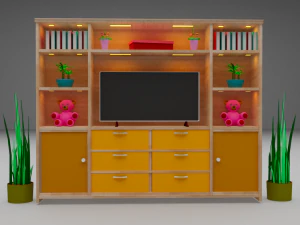

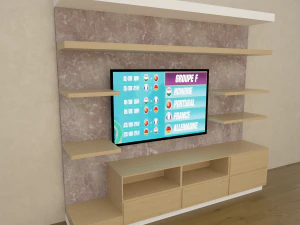
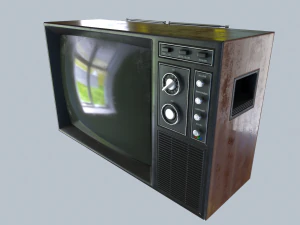
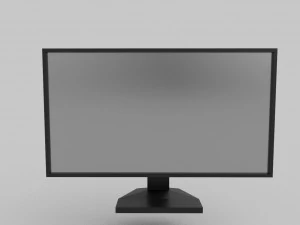

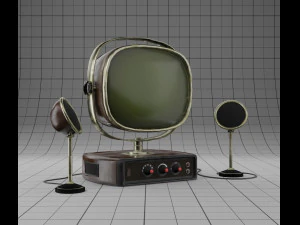
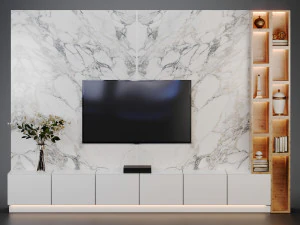




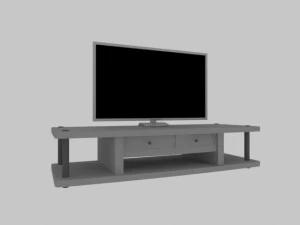




Popularne wyszukiwania Modele 3D:
Rzeźba Modele 3D Postacie Modele 3D Kuchnia Modele 3D Koń Modele 3D Architektoniczne Zewnątrz Modele 3D Telefon i Komórkowy Modele 3D Warzywo Modele 3D Biżuteria Modele 3D Zabawki Modele 3D Medyczny Modele 3D Śmigłowiec Modele 3D Ciężka Broń Modele 3D Ciężarówka Modele 3D Anatomia Modele 3DQ1: What TV types are available as 3D models on 3DExport?
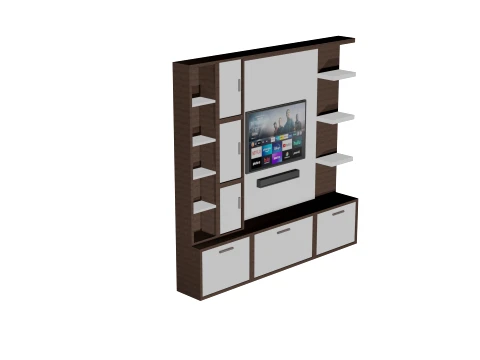
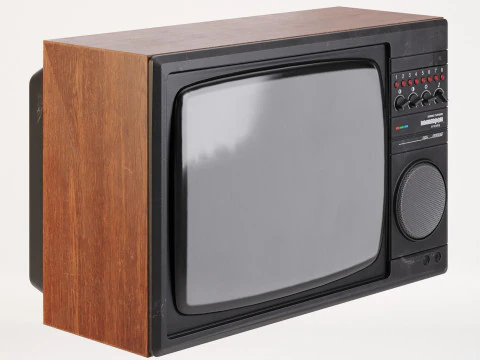
Modern flat panels dominate the catalog: OLED and QLED style thin-profile TVs in 55–85 inch size ranges, wall-mounted and stand configurations. QLED/OLED design language has converged significantly — bezel thickness of 3–8mm, minimal stands, slim profiles — making most modern TV models visually similar. Retro CRT televisions are a significant secondary category for period-correct set design, horror games, and vintage aesthetic content. Specific form factors: cathode ray tube sets from the 1950s–1980s range, early flat CRT monitors from the late 1990s, and the boxy television sets characteristic of specific decades. Branded TV models (Sony Bravia, Samsung Frame, LG OLED) exist but carry IP considerations for commercial use.
Q2: How is a TV screen material set up in Blender for a room visualization?
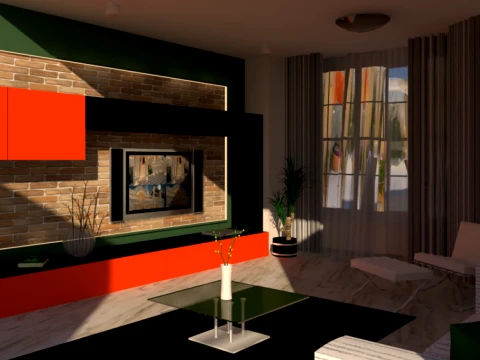
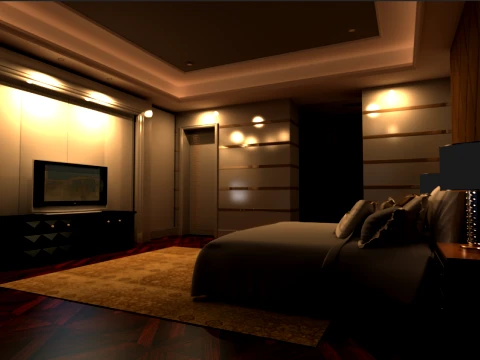
Two approaches depending on whether the screen needs to display content. For a "screen off" or standby TV: a very dark grey-black material (RGB 5, 5, 8) with roughness 0.05–0.10 and slight metallic value — modern OLED screens have a distinctive glass-over-black quality that's close to a dark mirror. For a "screen on" TV displaying content: create an emissive plane slightly inset from the bezel, apply the content as an image texture connected to the Emission input, set emission strength to 1.5–2.0 to simulate screen brightness. Add a subtle bloom effect in the compositor to suggest the light spill from a bright screen into the room. The screen-on version improves room renders significantly — a blank dark rectangle reads as a dead prop; a screen with content reads as a lived-in room.
Q3: What polygon count is appropriate for a TV 3D model in different contexts?
Background archviz prop (visible across the room): 1,500–4,000 tris. The thin bezel and flat panel of modern TVs requires very little geometry — it's essentially a beveled rectangle. Stand components (legs or pedestal) add another 500–1,000 tris. Close-up product visualization render: 8,000–20,000 tris with chamfered edges at all hard transitions, because flat bevels catch specular highlights that reveal the precision of the design. CRT televisions are more geometrically complex — the curved glass screen, the rounded plastic housing, the ventilation geometry — and reasonable hero models run 10,000–25,000 tris.
Q4: Can TV 3D models include working screen animations for game environments?
Yes — in game engines, a plane material on the TV screen can receive a video texture that plays in real time. In Unreal Engine 5, a Media Player asset connected to a Media Texture assigned to the screen material plays any video file. This is how ambient screen content works in game environments — news broadcasts, static, surveillance camera feeds. The TV model itself just needs a correctly positioned and UV-mapped screen face mesh. One practical setup tip: create a secondary emissive plane slightly in front of the screen mesh to simulate the light spill the screen casts onto nearby surfaces — this subtle environmental lighting contribution makes the screen feel physically present rather than a flat texture.