


 English
 Español
 Deutsch
 日本語
日本語 Français
 한국의
한국의 Українська
 Italiano
 Nederlands
 Türkçe
 Português
 Bahasa Indonesia
 Русский
 中國
中國 हिंदी
हिंदी
















okulary Modele 3D
Mamy 1802 produkty/ów Bez opłat licencyjnych glasses Modele 3D. Kup lub pobierz bezpłatne modele 3D do swoich projektów CG, produkcji filmowych i wideo, animacji, wizualizacji, gier, VR/AR i innych. Możesz pobrać dowolny model 3D we wszystkich popularnych formatach 3D, w tym MAX, OBJ, FBX, 3DS, STL, C4D, BLEND, MAYA
- -30%
 3D4SCISports Equipment
  breakermaximusClothing
- -30%
 cagataycetinClothing
 - -30%
 cagataycetinClothing
































Popularne wyszukiwania Modele 3D:
Rzeźba Modele 3D Postacie Modele 3D Kuchnia Modele 3D Koń Modele 3D Architektoniczne Zewnątrz Modele 3D Telefon i Komórkowy Modele 3D Warzywo Modele 3D Biżuteria Modele 3D Zabawki Modele 3D Medyczny Modele 3D Śmigłowiec Modele 3D Ciężka Broń Modele 3D Ciężarówka Modele 3D Anatomia Modele 3DQ1: What types of glasses 3D models are available on 3DExport?
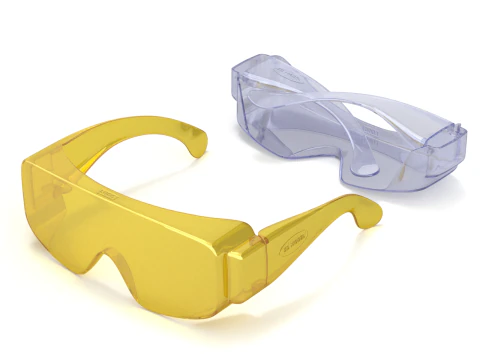
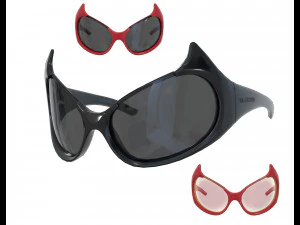
The catalog covers prescription eyeglasses (round, rectangular, cat-eye, aviator frame styles), sunglasses (wayfarer, aviator, sport wrap, oversized fashion frames), safety glasses and goggles, reading glasses, and specialty eyewear like ski goggles and VR headsets. Frame material variants — acetate, metal wire, titanium — are represented through different geometry and material setups rather than just texture swaps. Lens geometry is the detail most models handle poorly: real lenses have a meniscus shape (convex front, concave back) with edge thickness varying from center to periphery based on the prescription power. Purely flat lens geometry looks incorrect in close-up renders even when the material is right.
Q2: How are glasses 3D models used in e-commerce virtual try-on?
Eyewear virtual try-on is one of the more mature AR retail applications — Warby Parker, Zenni, and most major eyewear retailers offer it in their apps as of 2026. The pipeline: face tracking places a 3D glasses model on the detected face mesh in real time, anchored to the bridge of the nose and ears. The glasses model needs to be precisely scaled — pupillary distance (PD) is typically 60–66mm for adults, and the frame's lens centers need to align with the tracked pupil positions for the try-on to look natural. Frames that appear to float above the face or sink into it indicate incorrect PD or vertical positioning. For AR try-on product files, GLB format with accurate real-world scale metadata is the required delivery spec.
Q3: What material setup makes eyeglass lenses look realistic in renders?
The lens material is one of the more demanding glass setups in product visualization. A standard clear ophthalmic lens: Transmission 1.0, IOR 1.523 (crown glass) or 1.586 (polycarbonate — now more common), Roughness 0.0, with a very subtle blue-green anti-reflective coating simulated as a thin-film interference color on the surface. This AR coating is what gives real lenses their characteristic purple-green sheen under certain angles — in Blender, approximate it with a slight Sheen parameter or a Coat layer set to 0.03 weight with blue-green tint. Without this coating simulation, lenses look like plain window glass rather than optically coated eyewear.
Q4: Can glasses 3D models be used as character accessories in game customization systems?
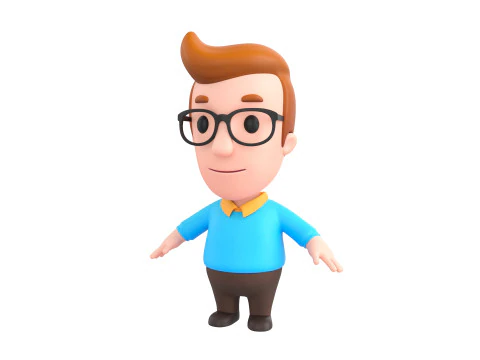
Yes — glasses are one of the simplest character customization elements to implement. As a static mesh attached to a face socket, they require no deformation — the glasses move rigidly with the head bone. The main technical consideration is Z-fighting between the lens geometry and the character's eye material — both occupy similar depth positions. Solve by offsetting the lens geometry slightly forward from the eye surface (1–2mm) or by using a Depth Offset material parameter in Unreal Engine. For characters that wear glasses full-time, integrate the frame geometry into the character mesh rather than using a separate attachment — this prevents the floating-glasses look that socket attachments sometimes produce at certain camera angles.