
 English
 Español
 Deutsch
 Polska
 Français
 한국의
한국의 Українська
 Italiano
 Nederlands
 Türkçe
 Português
 Bahasa Indonesia
 Русский
 中國
中國 हिंदी
हिंदी
















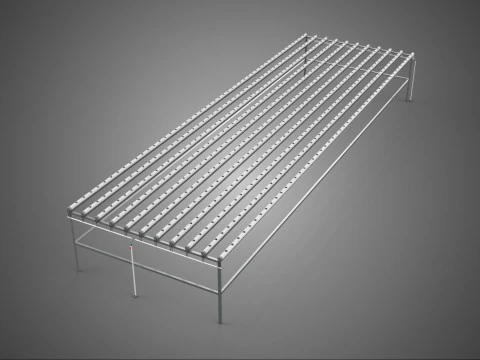
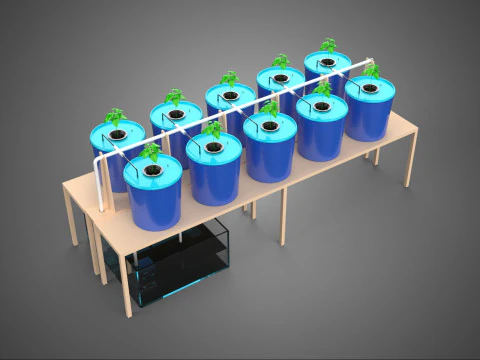
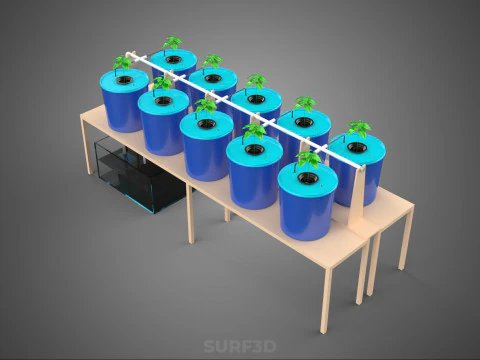
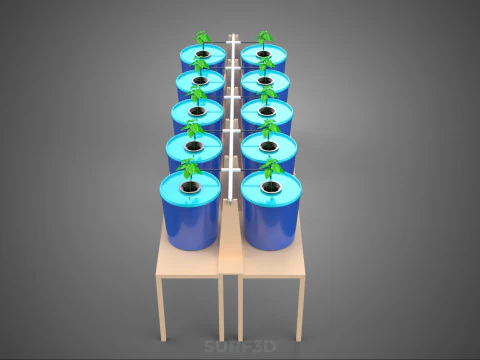
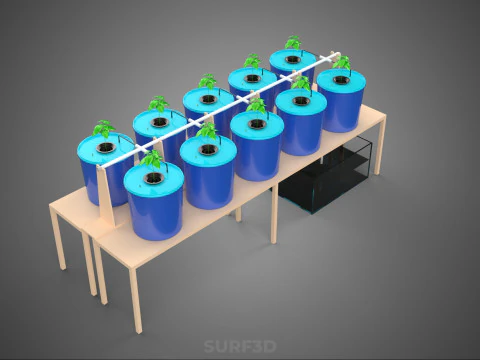
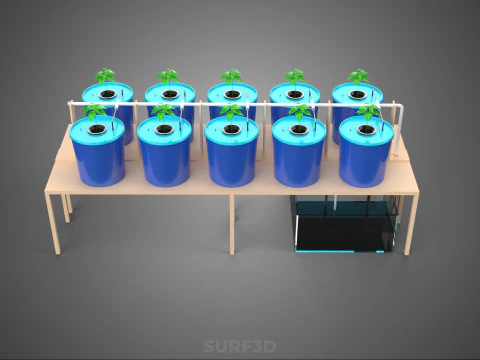
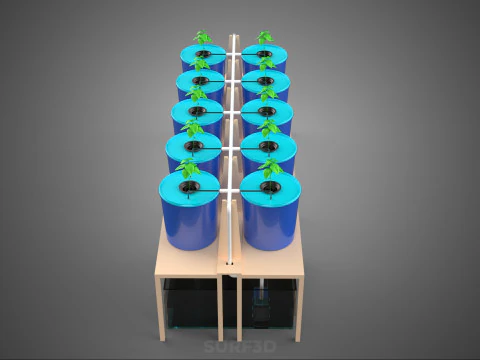
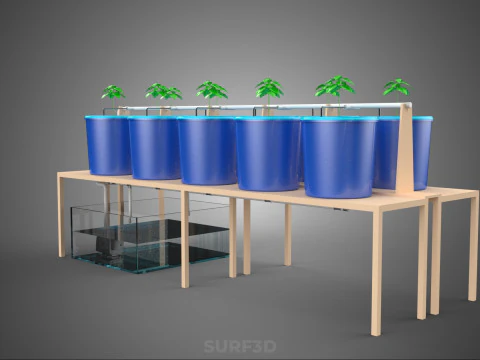
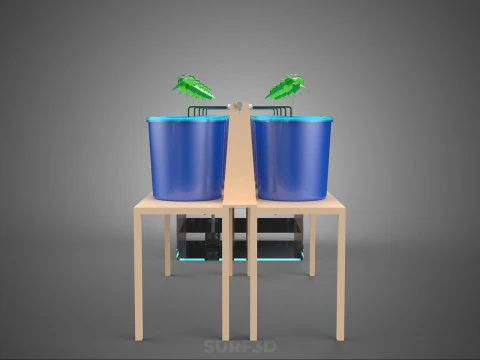
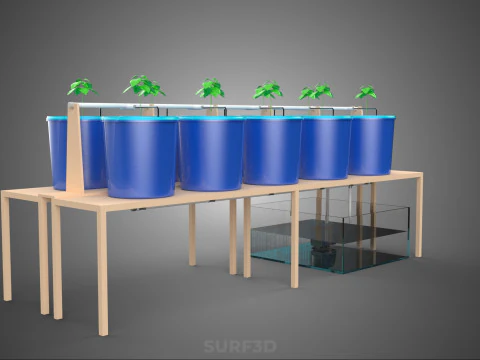
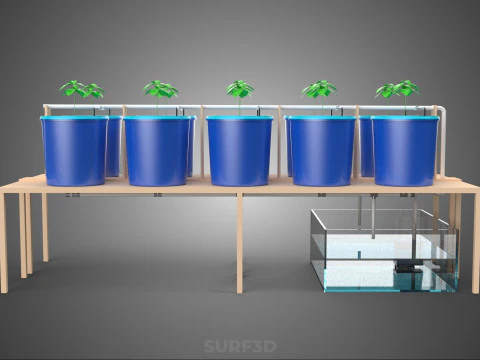
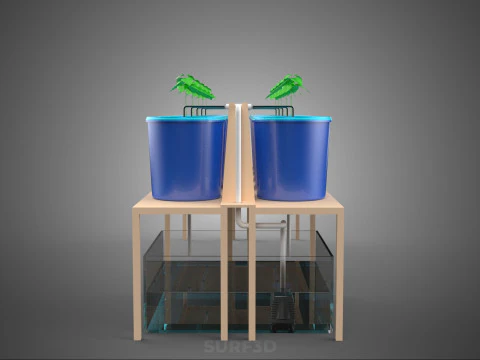
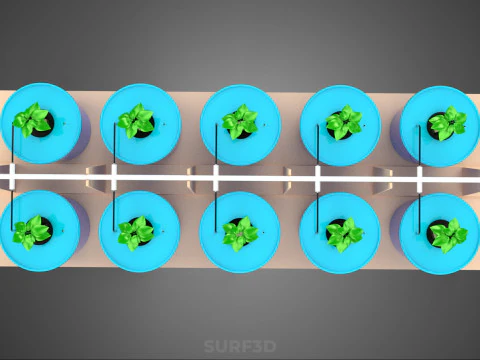
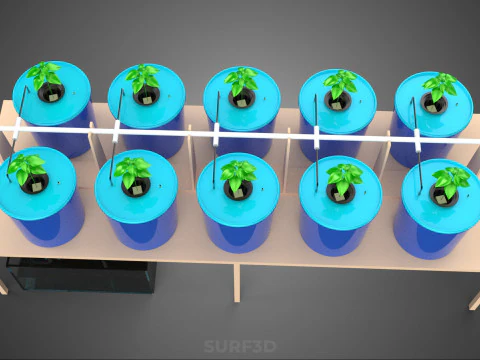
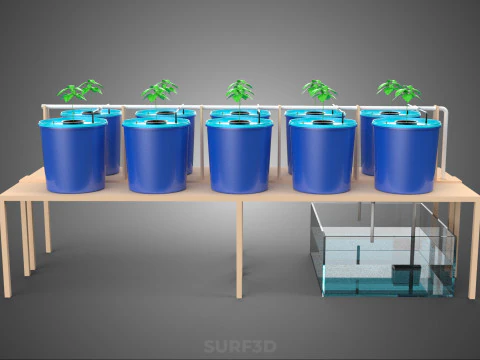
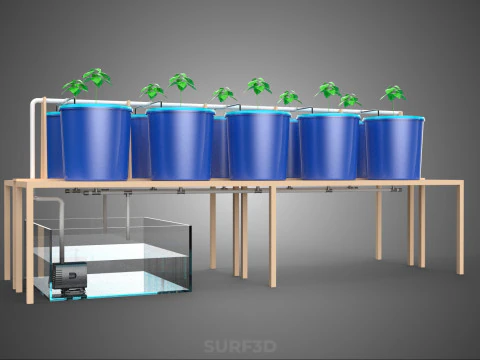
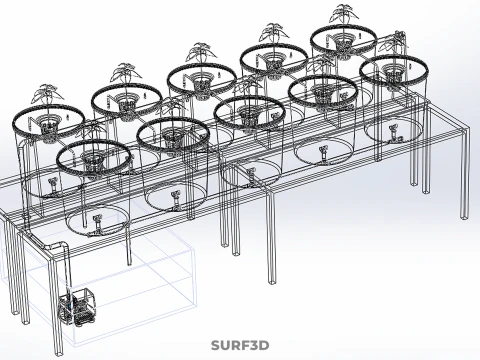
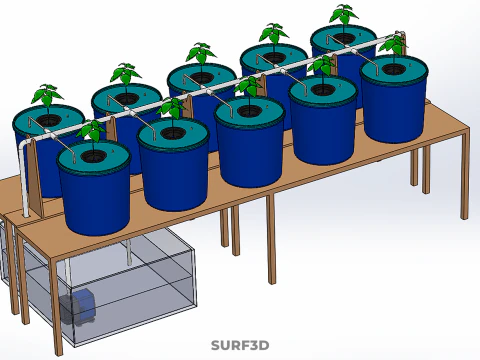
10ポットバトー方式ダッチバケットシステム ハイドロカルチャープラントステーション 3Dモデル




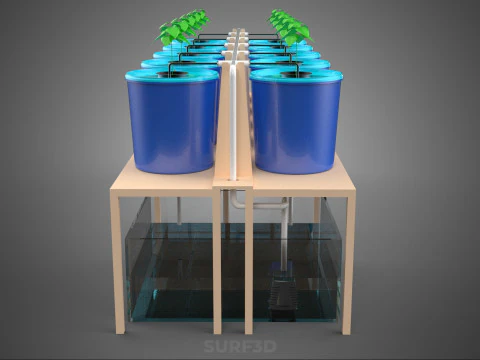
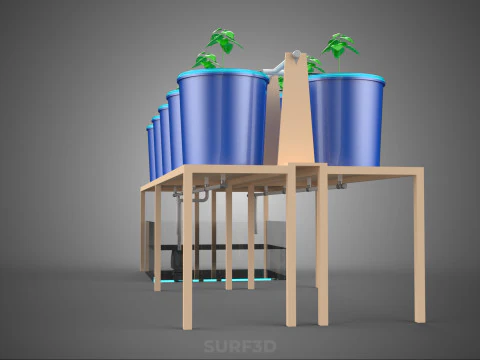
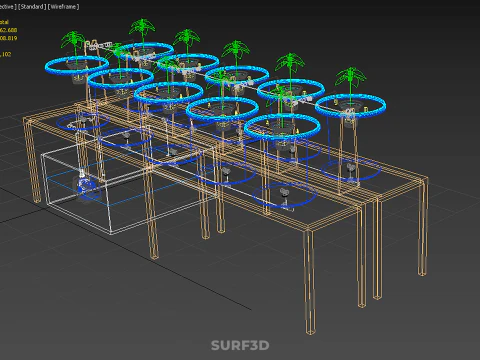
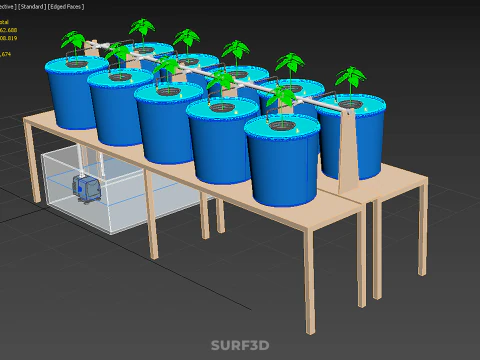
- 作者による製品サポートのリクエスト


- 利用可能フォーマット:
- アイテム ID:617916
- 日付: 2025-12-14
- 多角形:762688
- 頂点:608819
- アニメーション:No
- テクスチャー加工:No
- 装飾:No
- 素材:
- 低ポリ:No
- コレクション:No
- UVW マッピング:No
- 使用中プラグイン:No
- 印刷 準備:No
- 3D スキャン:No
- 成人コンテンツ:No
- PBR:No
- AIトレーニング:No
- ジオメトリ:Poly NURBS
- 展開済 UVs:Unknown
- ビュー:238
説明
High-quality 3D assets at affordable prices — trusted by designers, engineers, and creators worldwide. Made with care to be versatile, accessible, and ready for your pipeline.
Included File Formats
This model is provided in 14 widely supported formats, ensuring maximum compatibility:
• - FBX (.fbx) – Standard format for most 3D software and pipelines
• - OBJ + MTL (.obj, .mtl) – Wavefront format, widely used and compatible
• - STL (.stl) – Exported mesh geometry; may be suitable for 3D printing with adjustments
• - STEP (.step, .stp) – CAD format using NURBS surfaces
• - IGES (.iges, .igs) – Common format for CAD/CAM and engineering workflows (NURBS)
• - SAT (.sat) – ACIS solid model format (NURBS)
• - DAE (.dae) – Collada format for 3D applications and animations
• - glTF (.glb) – Modern, lightweight format for web, AR, and real-time engines
• - 3DS (.3ds) – Legacy format with broad software support
• - 3ds Max (.max) – Provided for 3ds Max users
• - Blender (.blend) – Provided for Blender users
• - SketchUp (.skp) – Compatible with all SketchUp versions
• - AutoCAD (.dwg) – Suitable for technical and architectural workflows
• - Rhino (.3dm) – Provided for Rhino users
Model Info
• - All files are checked and tested for integrity and correct content
• - Geometry uses real-world scale; model resolution varies depending on the product (high or low poly)
• • - Scene setup and mesh structure may vary depending on model complexity
• - Rendered using Luxion KeyShot
• - Affordable price with professional detailing
Buy with confidence. Quality and compatibility guaranteed.
If you have any questions about the file formats, feel free to send us a message — we're happy to assist you!
Sincerely,
SURF3D
Trusted source for professional and affordable 3D models.
More Information About 3D Model :
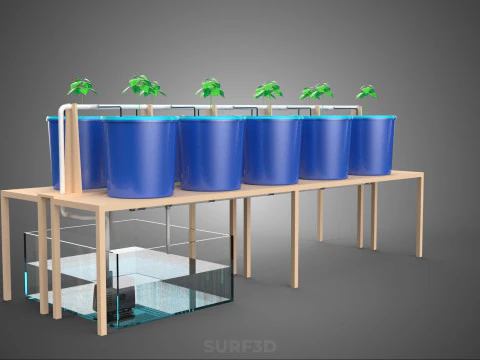
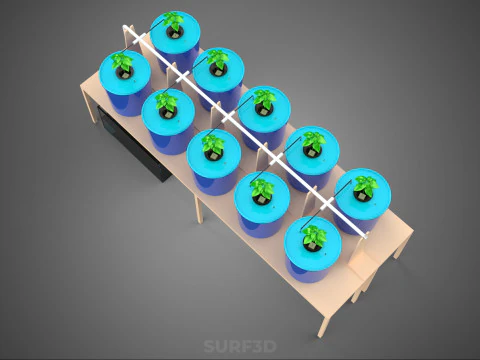
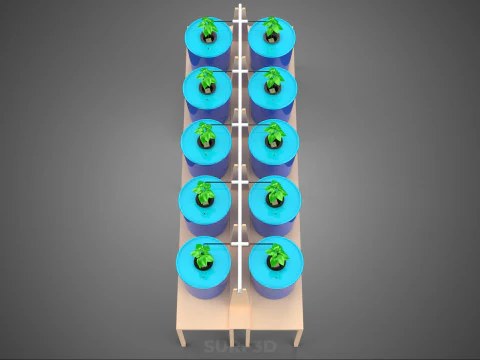
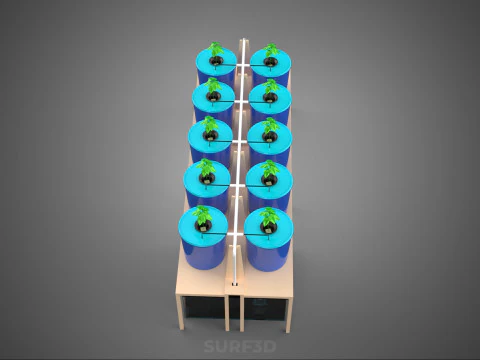
The "10 Pot Bato Method Dutch Bucket System Hydroponics Plant Station" is a specialized, medium-scale, recirculating hydroponic cultivation apparatus designed for the efficient production of high-value crops, primarily vine vegetables and large fruiting plants. This system integrates the functional specifics of the Dutch Bucket methodology (often synonymous with the Bato Bucket) with a controlled nutrient solution delivery mechanism.
### System Overview and Nomenclature
The Bato Bucket system, frequently referred to as the Dutch Bucket system due to its proliferation in Dutch greenhouse agriculture, is a type of semi-hydroponic culture utilizing individual containers filled with an inert growth substrate. Unlike Deep Water Culture (DWC) or Nutrient Film Technique (NFT), the Bato system separates individual plant root zones into distinct containers, which minimizes the risk of widespread disease transmission throughout the entire growing system.
The "10 Pot" designation specifies the operational capacity of the station, indicating a small modular installation comprising ten distinct Bato-style growing containers, often supported by a centralized nutrient reservoir and a closed-loop plumbing infrastructure.
### Operational Mechanism
The system operates based on controlled, scheduled drip irrigation and continuous recirculation:
1. **Nutrient Delivery:** A submersible pump located within a main reservoir transports the pH-balanced and electrically conductive (EC) nutrient solution through a primary distribution manifold. From the manifold, smaller feeder lines equipped with drip emitters deliver the solution directly to the root zone of the substrate within each of the ten Bato buckets.
2. **Drainage and Recirculation:** The specialized design of the Bato bucket includes a siphon elbow or drain fitting, typically elevated 2–3 cm from the bottom of the container. This design ensures a small, controlled volume of nutrient solution remains within the substrate (creating a localized reservoir effect) while allowing excess solution to drain rapidly. This drainage (or 'runoff') flows via a shared return line back into the main reservoir, facilitating efficient water and nutrient conservation—a characteristic defining the recirculating closed-loop nature of the system.
3. **Root Zone Management:** The substrate, typically a highly porous medium such as perlite, coco coir, or rockwool cubes, provides anchorage and allows for high oxygen exchange, mitigating conditions conducive to root rot. The frequent application of nutrient solution ensures consistent hydration and nutrient availability.
### Key Components of the 10 Pot Station
A standard 10 Pot Bato System comprises the following principal elements:
1. **Bato Buckets (10 Units):** Rectangular or square containers constructed from food-grade plastic, featuring a specialized drain mechanism to maintain an air gap and prevent root saturation while allowing for gravity-fed return flow.
2. **Reservoir:** A large, light-proof tank (typically 100–300 liters for a 10-pot system) used for storing and mixing the nutrient solution. Light-proofing prevents algal growth.
3. **Pumping and Plumbing:** Includes a submersible pump, PVC or polyethylene piping for the main supply line, smaller capillary tubes, and flow-regulating drip emitters (often pressure compensating).
4. **Return Lines:** Sloped drainage channels or pipes connecting the drain ports of the 10 buckets back to the central reservoir.
5. **Support Structure:** Often incorporates trellising or stakes necessary to support the mature weight of the vine crops typically cultivated in this method.
### Horticultural Applications
The Bato Method is particularly well-suited for crops that require a deep, stable root system and long growth cycles. Common commercial applications include:
* **Vine Crops:** Tomatoes (*Solanum lycopersicum*), cucumbers (*Cucumis sativus*), and bell peppers (*Capsicum annuum*).
* **Fruiting Plants:** Eggplant (aubergine) and specific varieties of squash.
The method offers superior control over nutrient strength and pH levels, resulting in optimized growth rates and high-yield potential compared to traditional soil-based agriculture.
KEYWORDS: Hydroponics, Dutch Bucket System, Bato Method, Recirculating Hydroponics, Drip Irrigation, Soilless Culture, 10 Pot System, Greenhouse Technology, Substrate Culture, Perlite, Coco Coir, Nutrient Solution, EC Monitoring, pH Control, Closed-Loop System, Vine Crops, Tomato Cultivation, Cucumber Production, Bell Peppers, Commercial Hydroponics, Plant Station, Drain-to-Waste (Recirculating), Root Zone Management, Inert Media, Modular System, High-Yield Agriculture, Controlled Environment Agriculture, Water Efficiency, Siphon Drainage, Crop Stability.
フォーマットが必要ですか?
異なるフォーマットが必要な場合、サポートチケットを開き、注文をしてください。3Dモデルをこれらに変換できます: .stl, .c4d, .obj, .fbx, .ma/.mb, .3ds, .3dm, .dxf/.dwg, .max. .blend, .skp, .glb. フリーフォーマット変換3D シーンは変換しません .step、.iges、.stp、.sldprt などの形式。!
使用情報
10ポットバトー方式ダッチバケットシステム ハイドロカルチャープラントステーション - このロイヤリティフリーの3Dモデルは、基本ライセンスまたは拡張ライセンスに従って、個人および商用目的で使用できます。基本ライセンスは、デジタル広告、デザインおよび視覚化プロジェクト、ビジネスソーシャルメディアアカウント、ネイティブアプリ、ウェブアプリ、ビデオゲーム、物理またはデジタル最終製品(無料および有償)など、ほとんどの標準的な使用事例をカバーしています。
拡張ライセンスには、基本ライセンスで付与されるすべての権利が使用制限なしで含まれており、ロイヤリティフリーの条件の下で、3Dモデルを無制限の商用プロジェクトで使用できます。
詳細を読む