
 English
 Español
 Deutsch
 Français
 한국의
한국의 Italiano
 Nederlands
 Türkçe
 Português
















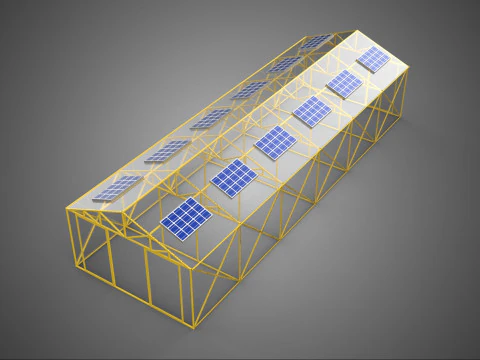
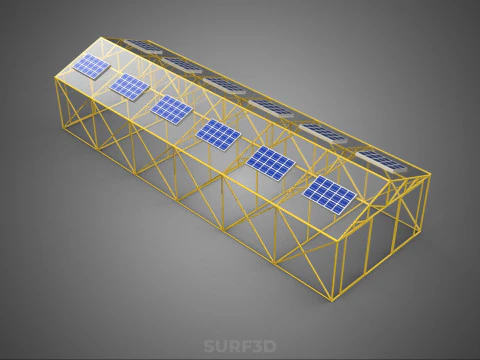
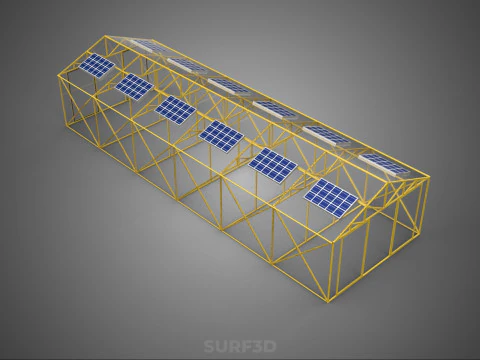
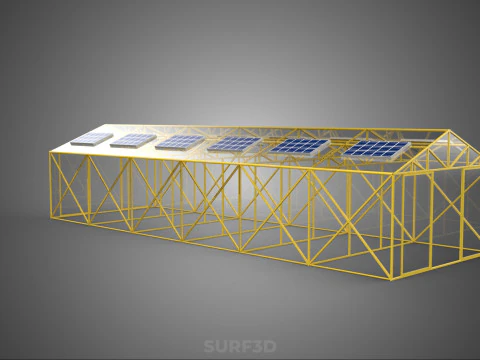
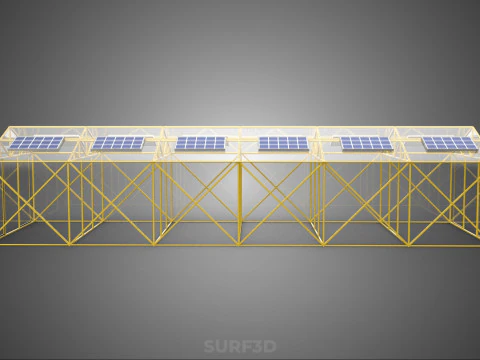
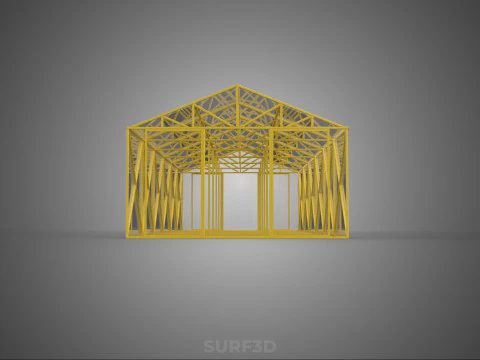
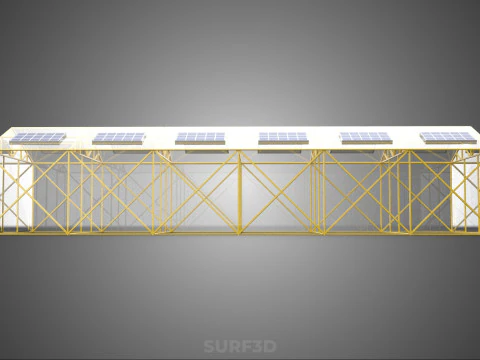
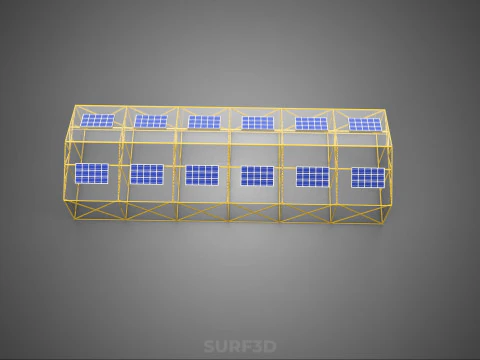
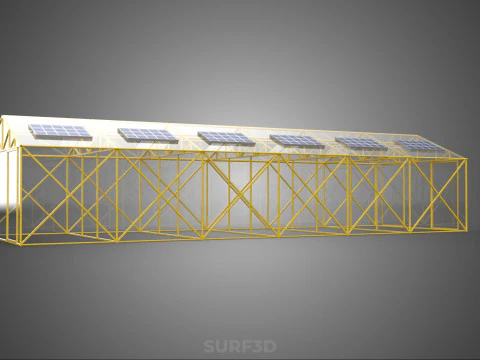
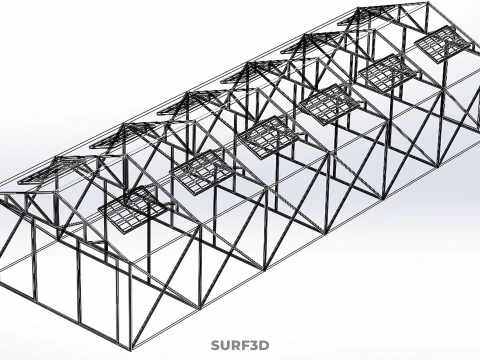
太陽光発電 植物作物温室 温室 ガラスハウス ガーデン 3Dモデル














- 作者による製品サポートのリクエスト


- 利用可能フォーマット:
- アイテム ID:607194
- 日付: 2025-10-24
- 多角形:79768
- 頂点:97874
- アニメーション:No
- テクスチャー加工:No
- 装飾:No
- 素材:Yes
- 低ポリ:No
- コレクション:No
- UVW マッピング:No
- 使用中プラグイン:No
- 印刷 準備:No
- 3D スキャン:No
- 成人コンテンツ:No
- PBR:No
- AIトレーニング:No
- ジオメトリ:Poly NURBS
- 展開済 UVs:Unknown
- ビュー:505
説明
High-quality 3D assets at affordable prices — trusted by designers, engineers, and creators worldwide. Made with care to be versatile, accessible, and ready for your pipeline.
Included File Formats
This model is provided in 14 widely supported formats, ensuring maximum compatibility:
• - FBX (.fbx) – Standard format for most 3D software and pipelines
• - OBJ + MTL (.obj, .mtl) – Wavefront format, widely used and compatible
• - STL (.stl) – Exported mesh geometry; may be suitable for 3D printing with adjustments
• - STEP (.step, .stp) – CAD format using NURBS surfaces
• - IGES (.iges, .igs) – Common format for CAD/CAM and engineering workflows (NURBS)
• - SAT (.sat) – ACIS solid model format (NURBS)
• - DAE (.dae) – Collada format for 3D applications and animations
• - glTF (.glb) – Modern, lightweight format for web, AR, and real-time engines
• - 3DS (.3ds) – Legacy format with broad software support
• - 3ds Max (.max) – Provided for 3ds Max users
• - Blender (.blend) – Provided for Blender users
• - SketchUp (.skp) – Compatible with all SketchUp versions
• - AutoCAD (.dwg) – Suitable for technical and architectural workflows
• - Rhino (.3dm) – Provided for Rhino users
Model Info
• - All files are checked and tested for integrity and correct content
• - Geometry uses real-world scale; model resolution varies depending on the product (high or low poly)
• • - Scene setup and mesh structure may vary depending on model complexity
• - Rendered using Luxion KeyShot
• - Affordable price with professional detailing
Buy with confidence. Quality and compatibility guaranteed.
If you have any questions about the file formats, feel free to send us a message — we're happy to assist you!
Sincerely,
SURF3D
Trusted source for professional and affordable 3D models.
More Information About 3D Model :
The **Solar Powered Plant Crop Greenhouse, Hothouse, Glasshouse Garden** refers to an integrated controlled environment agriculture (CEA) system designed for the cultivation of high-value or out-of-season plant crops, utilizing solar energy as the primary or exclusive power source for operational requirements. This system merges the fundamental architectural principles of a traditional glasshouse (or greenhouse/hothouse, terms often used interchangeably, denoting structures designed to trap solar radiation and maintain elevated temperatures) with modern renewable energy technology and precise environmental control mechanisms.
### Architectural and Structural Components
The structure typically comprises a translucent envelope—constructed from glass, polycarbonate, or specialized polyethylene films—optimized for maximum light transmission within the photosynthetically active radiation (PAR) spectrum (400–700 nm). The design incorporates passive solar heating principles, maximizing heat gain during the day and minimizing thermal loss at night through insulation techniques, often employing thermal screens or double-layer glazing.
Crucially, the system features a dedicated photovoltaic (PV) array. These solar panels are typically mounted adjacent to the structure or integrated into the roof architecture (Building-Integrated Photovoltaics, BIPV). The PV system generates direct current (DC) electricity, which is then converted via inverters to alternating current (AC) to power ancillary systems. For continuous operation, particularly in off-grid applications, the system often includes battery storage or a connection to a smart grid to ensure power availability during low light periods or nighttime operation.
### Energy Utilization and Environmental Control
Solar power generated by the PV array is directed towards powering the essential environmental control subsystems necessary for optimal plant growth:
1. **Ventilation and Cooling:** Active cooling is essential, particularly in warmer climates. Solar energy drives automated fans, louvers, and sometimes evaporative cooling pads (swamp coolers) to regulate internal temperature and humidity. Sophisticated systems may employ solar-driven desiccant dehumidification systems.
2. **Irrigation and Fertigation:** Solar power runs the pumps required for drip irrigation, hydroponic, or aeroponic nutrient delivery systems. These systems are often paired with electronic sensors and microcontrollers for precise scheduling and water conservation.
3. **Supplemental Lighting:** While the primary light source is natural sunlight, solar-generated electricity powers high-efficiency Light Emitting Diode (LED) fixtures. These are used to extend the photoperiod or provide specific light spectrums (e.g., blue and red wavelengths) essential for particular crop development stages, especially during cloudy conditions or winter months.
4. **Heating:** Although passive solar gain is fundamental, supplemental heating may be required. Solar power can drive heat pumps or resistance heaters, though thermal energy storage (e.g., water tanks or phase change materials) charged during peak solar hours is a more efficient approach.
### Advantages and Applications
The primary advantage of the solar powered system is its reduced operational carbon footprint and minimized reliance on fossil fuels, leading to significant long-term cost savings, especially in regions with high electricity tariffs or remote locations lacking stable grid access.
These systems are employed globally for cultivating high-value crops (e.g., cannabis, specialty vegetables, soft fruits, flowers) that demand precise climate management. They contribute significantly to sustainable agriculture, offering resilience against climate variability and promoting resource efficiency, particularly in water usage through closed-loop systems.
### Operational Characteristics
The sophistication of environmental management is dependent on the size and investment level. Advanced systems utilize data acquisition and Supervisory Control and Data Acquisition (SCADA) systems, where solar-powered sensors continuously monitor parameters like air temperature, humidity, CO2 levels, light intensity, and substrate moisture. Machine learning algorithms can then optimize energy use by coordinating shading, ventilation, and supplemental lighting based on real-time solar availability and crop needs. This integration maximizes photosynthetic efficiency while minimizing power consumption.
KEYWORDS: Solar Energy, Greenhouse, Glasshouse, Hothouse, Controlled Environment Agriculture, Photovoltaics, Renewable Energy, Sustainable Agriculture, Crop Cultivation, Environmental Control, LED Lighting, Passive Solar Heating, Thermal Storage, Hydroponics, Energy Efficiency, Climate Resilience, Fertigation, BIPV, Off-Grid, Automation, Smart Farming, Ventilation, Evaporative Cooling, Photosynthesis, Power Management, CEA, Horticulture, Decarbonization, Precision Agriculture, Translucent Envelope.
フォーマットが必要ですか?
異なるフォーマットが必要な場合、サポートチケットを開き、注文をしてください。3Dモデルをこれらに変換できます: .stl, .c4d, .obj, .fbx, .ma/.mb, .3ds, .3dm, .dxf/.dwg, .max. .blend, .skp, .glb. フリーフォーマット変換3D シーンは変換しません .step、.iges、.stp、.sldprt などの形式。!
使用情報
太陽光発電 植物作物温室 温室 ガラスハウス ガーデン - このロイヤリティフリーの3Dモデルは、基本ライセンスまたは拡張ライセンスに従って、個人および商用目的で使用できます。基本ライセンスは、デジタル広告、デザインおよび視覚化プロジェクト、ビジネスソーシャルメディアアカウント、ネイティブアプリ、ウェブアプリ、ビデオゲーム、物理またはデジタル最終製品(無料および有償)など、ほとんどの標準的な使用事例をカバーしています。
拡張ライセンスには、基本ライセンスで付与されるすべての権利が使用制限なしで含まれており、ロイヤリティフリーの条件の下で、3Dモデルを無制限の商用プロジェクトで使用できます。
詳細を読む