
 English
 Español
 Deutsch
 Polska
 Français
 中國
中國 한국의
한국의 Українська
 Italiano
 Nederlands
 Türkçe
 Português
 Bahasa Indonesia
 Русский
 हिंदी
हिंदी
















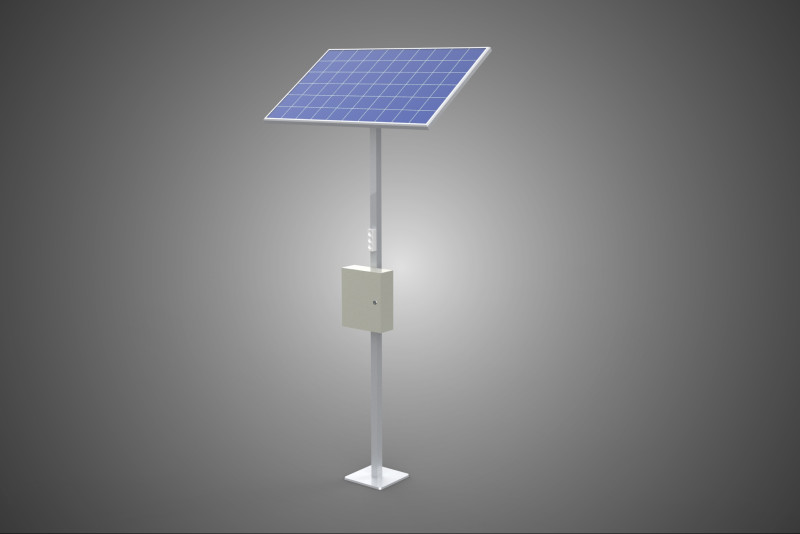
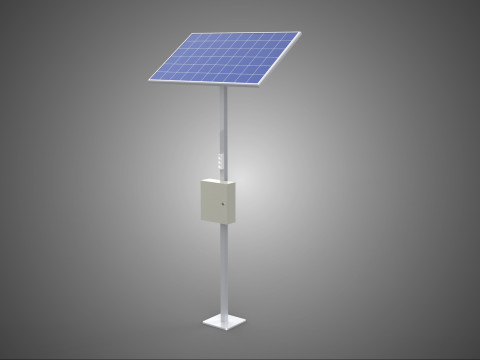
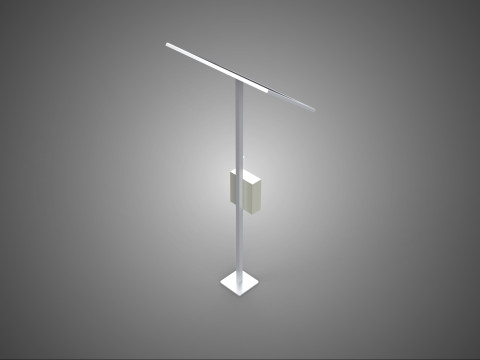
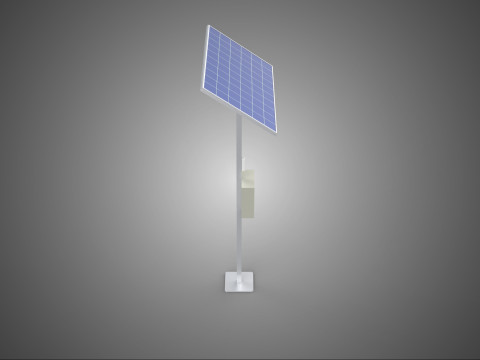
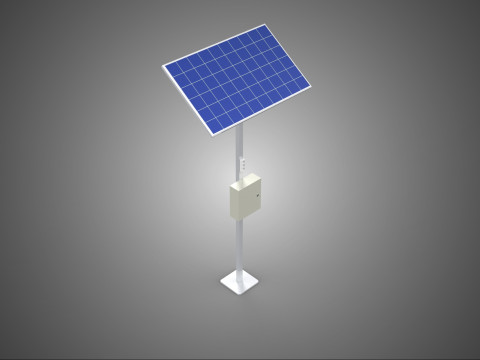
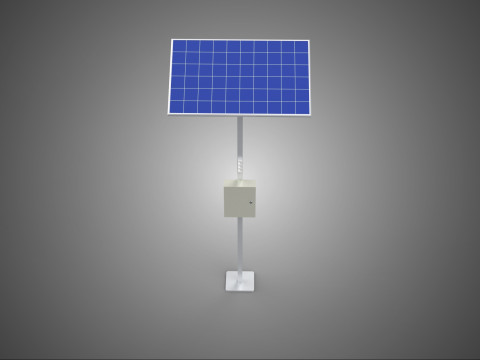
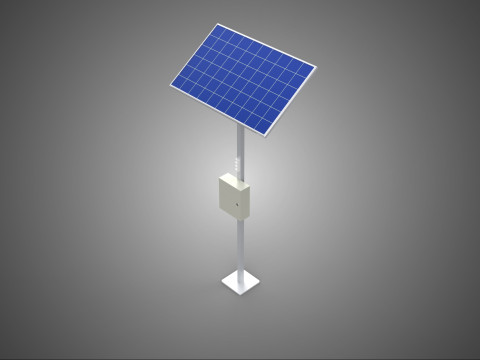
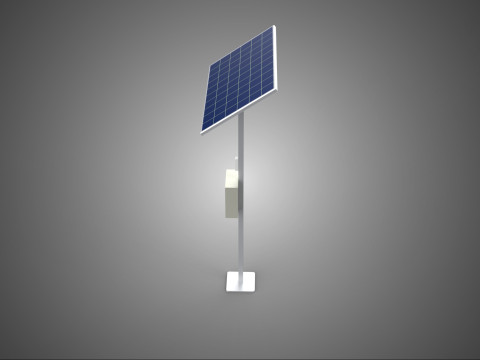
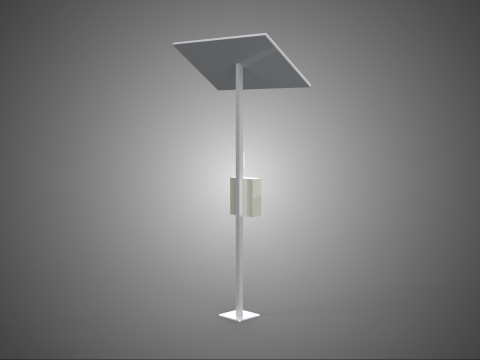
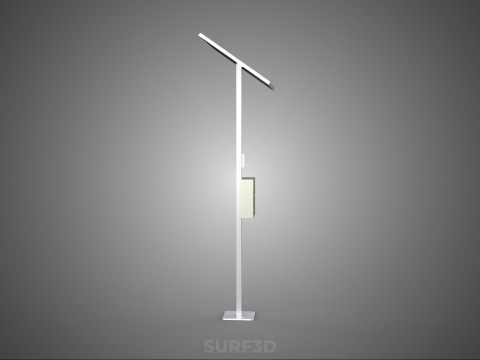
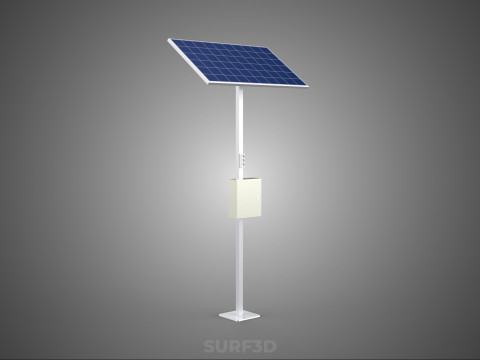
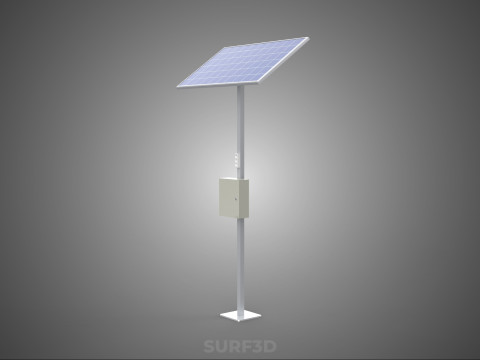
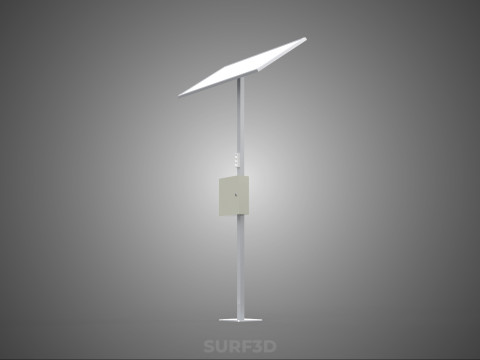
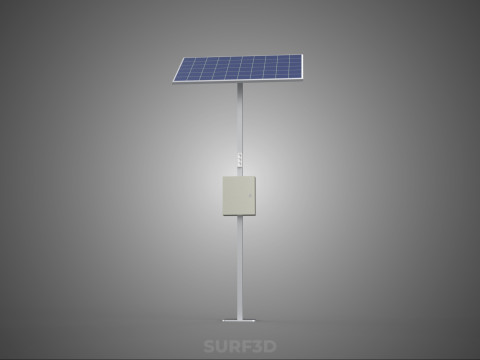
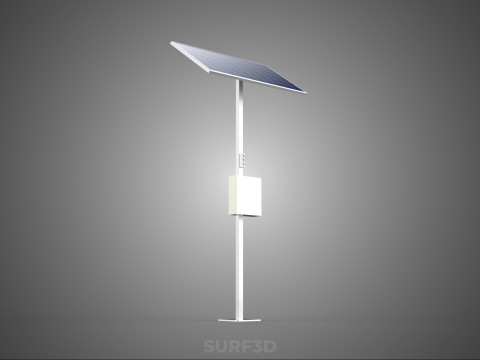
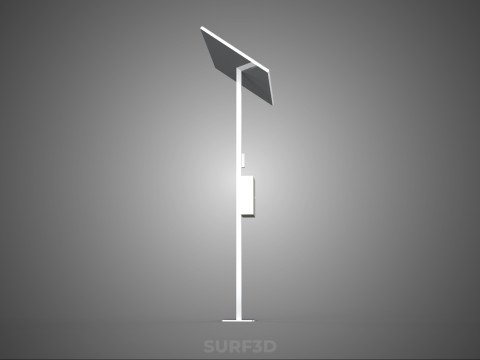
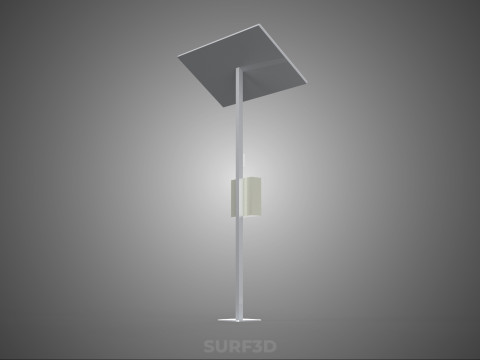
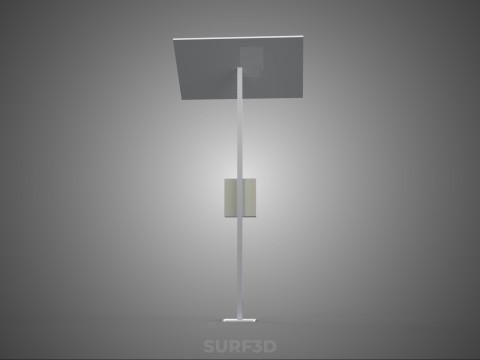
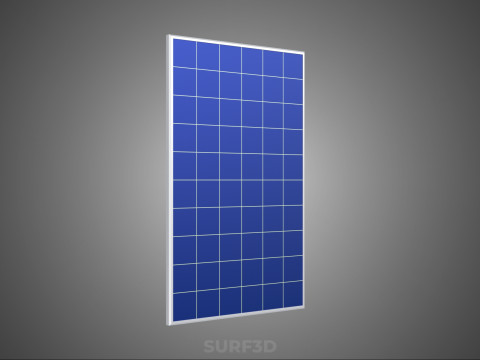
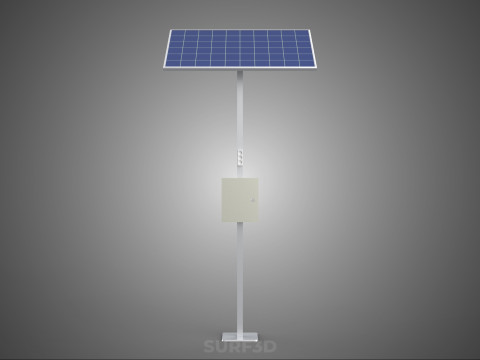
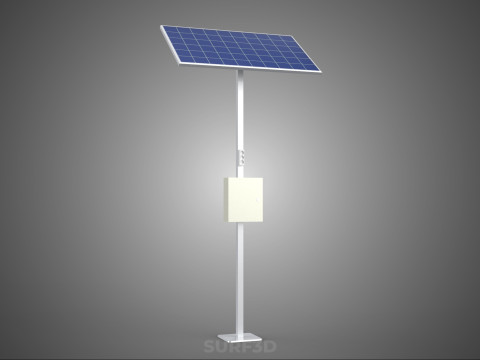
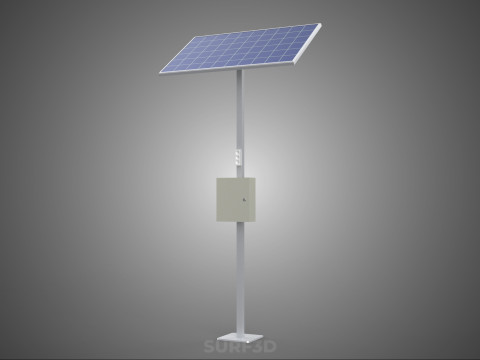
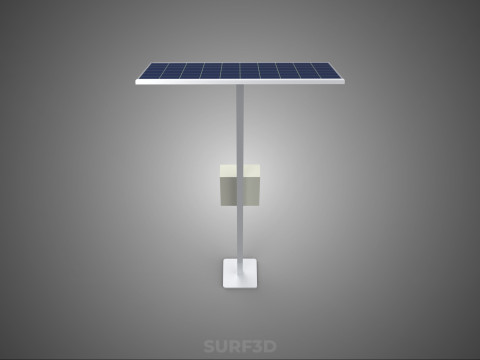
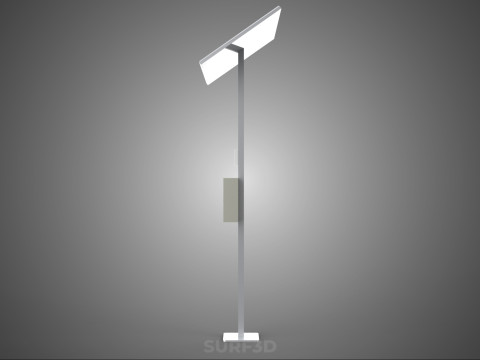
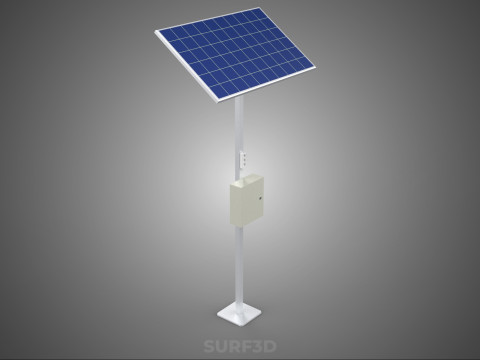
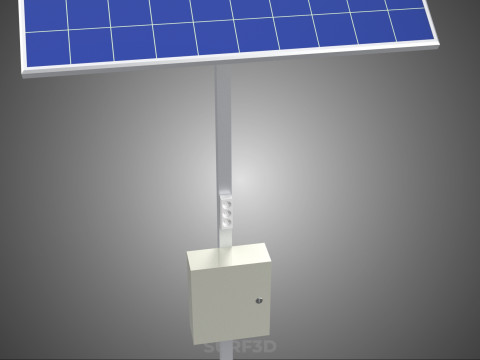
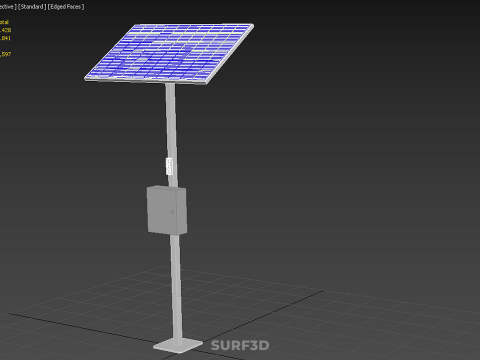
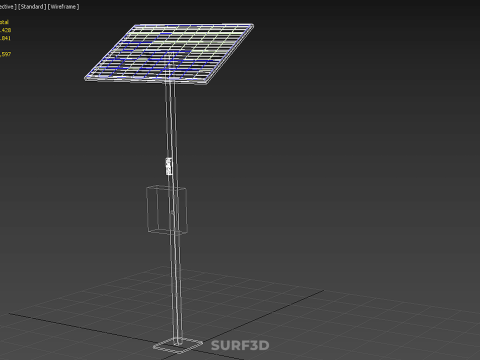
スタンドアロンソーラーパネル エネルギーコンセント ソケット コントロールボックス 3Dモデル
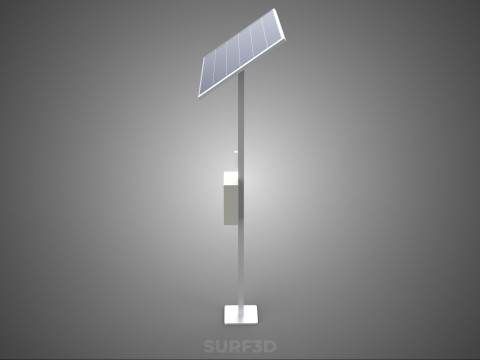
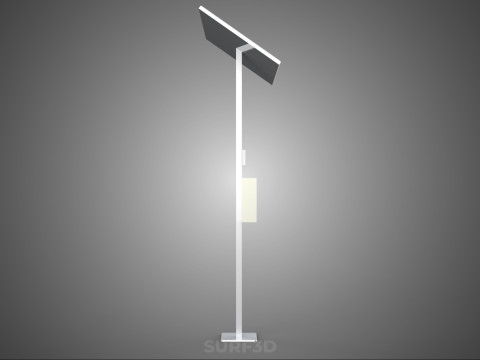
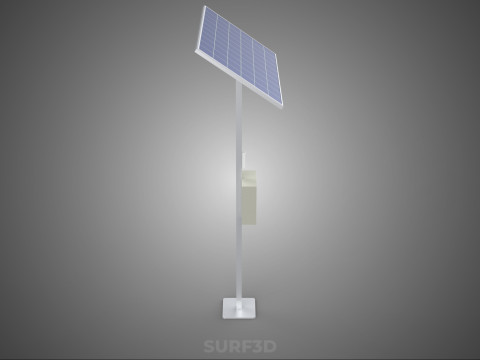
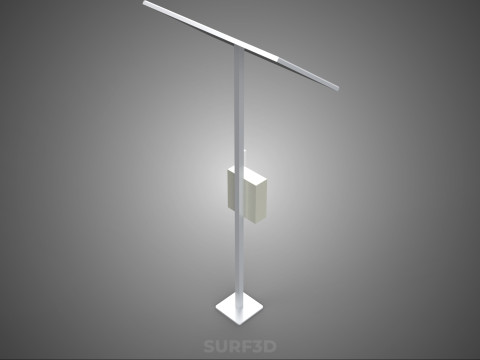
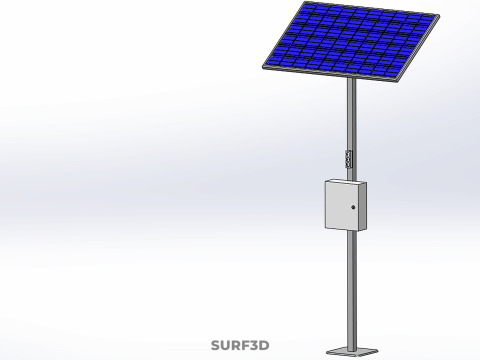
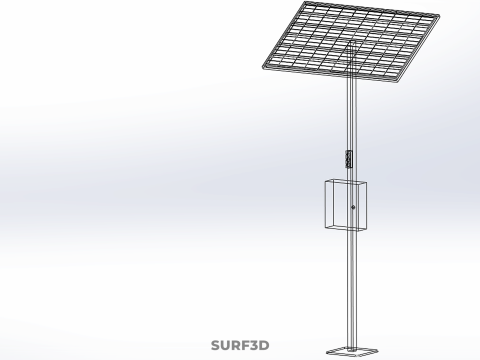
- 作者による製品サポートのリクエスト


- 利用可能フォーマット:
- アイテム ID:604960
- 日付: 2025-10-13
- 多角形:6428
- 頂点:6841
- アニメーション:No
- テクスチャー加工:No
- 装飾:No
- 素材:
- 低ポリ:No
- コレクション:No
- UVW マッピング:No
- 使用中プラグイン:No
- 印刷 準備:No
- 3D スキャン:No
- 成人コンテンツ:No
- PBR:No
- AIトレーニング:No
- ジオメトリ:Poly NURBS
- 展開済 UVs:Unknown
- ビュー:199
説明
High-quality 3D assets at affordable prices — trusted by designers, engineers, and creators worldwide. Made with care to be versatile, accessible, and ready for your pipeline.
Included File Formats
This model is provided in 14 widely supported formats, ensuring maximum compatibility:
• - FBX (.fbx) – Standard format for most 3D software and pipelines
• - OBJ + MTL (.obj, .mtl) – Wavefront format, widely used and compatible
• - STL (.stl) – Exported mesh geometry; may be suitable for 3D printing with adjustments
• - STEP (.step, .stp) – CAD format using NURBS surfaces
• - IGES (.iges, .igs) – Common format for CAD/CAM and engineering workflows (NURBS)
• - SAT (.sat) – ACIS solid model format (NURBS)
• - DAE (.dae) – Collada format for 3D applications and animations
• - glTF (.glb) – Modern, lightweight format for web, AR, and real-time engines
• - 3DS (.3ds) – Legacy format with broad software support
• - 3ds Max (.max) – Provided for 3ds Max users
• - Blender (.blend) – Provided for Blender users
• - SketchUp (.skp) – Compatible with all SketchUp versions
• - AutoCAD (.dwg) – Suitable for technical and architectural workflows
• - Rhino (.3dm) – Provided for Rhino users
Model Info
• - All files are checked and tested for integrity and correct content
• - Geometry uses real-world scale; model resolution varies depending on the product (high or low poly)
• • - Scene setup and mesh structure may vary depending on model complexity
• - Rendered using Luxion KeyShot
• - Affordable price with professional detailing
Buy with confidence. Quality and compatibility guaranteed.
If you have any questions about the file formats, feel free to send us a message — we're happy to assist you!
Sincerely,
SURF3D
Trusted source for professional and affordable 3D models.
More Information About 3D Model :
A Standalone Solar Panel Energy Power Outlets Sockets Control Box represents a self-contained, independent electrical power generation and distribution unit designed to convert solar energy into usable electricity, store it, and deliver it through standard power outlets and sockets. Operating entirely independently of the public utility grid, these systems are crucial for applications requiring autonomous power supply, such as off-grid living, emergency backup, or portable energy solutions. The "control box" functions as the central management hub, integrating and orchestrating the various components essential for efficient and safe energy handling.
**Components and Architecture:**
The functionality of such a system relies on the integrated operation of several key components, typically housed within or connected to the central control box:
1. **Photovoltaic (PV) Modules:** These external panels capture solar irradiance and convert it into direct current (DC) electricity. Their collective wattage determines the system's energy harvesting capacity, influenced by factors such as surface area, cell efficiency, and prevailing insolation levels.
2. **Charge Controller:** This intelligent device regulates the voltage and current supplied by the PV modules to the battery bank. Its primary role is to prevent overcharging or deep discharging of the batteries, thereby prolonging their lifespan and ensuring system stability. Common types include Pulse Width Modulation (PWM) and Maximum Power Point Tracking (MPPT) controllers. MPPT controllers are generally more efficient, especially under varying weather conditions or temperature extremes, as they optimize the power extraction from the PV array.
3. **Battery Bank:** Serving as the system's energy storage unit, the battery bank accumulates DC electricity for use during periods of insufficient solar irradiance (e.g., night, overcast days) or high demand. Common battery chemistries include lead-acid (e.g., Absorbed Glass Mat - AGM, Gel, Flooded) and lithium-ion (e.g., Lithium Iron Phosphate - LiFePO4). Selection criteria typically involve cycle life, energy density, depth of discharge, charge/discharge rates, and total cost of ownership.
4. **Power Inverter:** This critical component converts the DC electricity stored in the battery bank into alternating current (AC) electricity, which is required by most conventional household and electronic devices. Inverters are primarily categorized by their waveform output:
* **Modified Sine Wave Inverters:** Suitable for less sensitive electronics, heating elements, and some tools. They are generally more cost-effective.
* **Pure Sine Wave Inverters:** Essential for sensitive electronics, medical equipment, variable speed motors, and inductive loads, providing a clean, consistent power output identical to grid power.
5. **Power Outlets and Sockets:** Integrated directly into the control box or its periphery, these provide the user interfaces for drawing power. They typically include standard regional AC sockets (e.g., Type B, Type F, Type G) and often incorporate DC outlets such as USB ports (e.g., USB-A, USB-C), 12V automotive-style sockets, or specialized DC connectors for low-voltage appliances.
6. **System Protection Devices:** Integral for safety and operational longevity, these devices include fuses, circuit breakers, surge protectors, and integrated over-voltage/under-voltage disconnects. They safeguard the system and connected appliances against electrical faults, short circuits, overloads, and extreme voltage fluctuations.
7. **Monitoring and Display System:** Many control boxes feature an integrated LCD screen or LED indicators to provide real-time operational parameters such as battery state of charge (SoC), input/output power, voltage, and current. Advanced systems may offer remote monitoring capabilities via Bluetooth, Wi-Fi, or cellular networks, providing data logging and alert functions.
**Operational Principles:**
During daylight hours, PV modules capture solar irradiance, generating DC electricity. This power flows through the charge controller, which intelligently manages the charging of the battery bank, ensuring optimal battery health. Any surplus solar power can either be directed to connected DC loads or stored in the battery. When AC power is required, the inverter draws DC power from the battery bank, converts it to the specified AC voltage and frequency, and delivers it to the integrated power outlets. DC loads, such as USB-powered devices, draw power directly from the battery via dedicated DC output ports. The entire process is managed by the control box, which prioritizes energy flow and implements safety protocols.
**Applications:**
Standalone solar systems with integrated control boxes are highly versatile and deployed in a diverse range of applications:
* **Off-Grid Residences:** Supplying primary power for cabins, remote homes, and tiny houses in locations without access to utility grid infrastructure.
* **Emergency Preparedness:** Functioning as reliable backup power sources during grid outages caused by natural disasters, infrastructure failures, or unexpected disruptions.
* **Recreational Activities:** Powering equipment for camping, recreational vehicles (RVs), marine vessels, and outdoor events.
* **Field Operations:** Providing electricity for remote construction sites, scientific expeditions, environmental monitoring stations, and military field applications.
* **Developing Regions:** Offering essential access to electricity for lighting, communication, water pumping, and basic appliances in areas lacking conventional grid access.
* **Mobile Workstations:** Facilitating portable power solutions for laptops, power tools, and electronic devices in temporary or mobile work environments.
**Advantages:**
* **Energy Independence:** Eliminates reliance on the public utility grid, providing autonomy and shielding users from rising electricity costs or grid instability.
* **Environmental Benefits:** Utilizes a clean, renewable energy source, reducing carbon emissions and dependence on fossil fuels.
フォーマットが必要ですか?
異なるフォーマットが必要な場合、サポートチケットを開き、注文をしてください。3Dモデルをこれらに変換できます: .stl, .c4d, .obj, .fbx, .ma/.mb, .3ds, .3dm, .dxf/.dwg, .max. .blend, .skp, .glb. フリーフォーマット変換3D シーンは変換しません .step、.iges、.stp、.sldprt などの形式。!
使用情報
スタンドアロンソーラーパネル エネルギーコンセント ソケット コントロールボックス - このロイヤリティフリーの3Dモデルは、基本ライセンスまたは拡張ライセンスに従って、個人および商用目的で使用できます。基本ライセンスは、デジタル広告、デザインおよび視覚化プロジェクト、ビジネスソーシャルメディアアカウント、ネイティブアプリ、ウェブアプリ、ビデオゲーム、物理またはデジタル最終製品(無料および有償)など、ほとんどの標準的な使用事例をカバーしています。
拡張ライセンスには、基本ライセンスで付与されるすべての権利が使用制限なしで含まれており、ロイヤリティフリーの条件の下で、3Dモデルを無制限の商用プロジェクトで使用できます。
詳細を読む
返金保証をしていますか?
はい。商品を購入し、説明やレンダリングに破損など見つけた場合、我々は出来るだけ早く問題を解決するよう努力いたします。もし問題が解決しない場合、我々が注文をキャンセルし。アイテムのダウンロード後24時間以内に返金をいたします。詳細な条件を読むキーワード
同じ作者のアイテム(ランダム)