
 Español
 Deutsch
 日本語
日本語 Polska
 Français
 한국의
한국의 Українська
 Italiano
 Nederlands
 Türkçe
 Português
















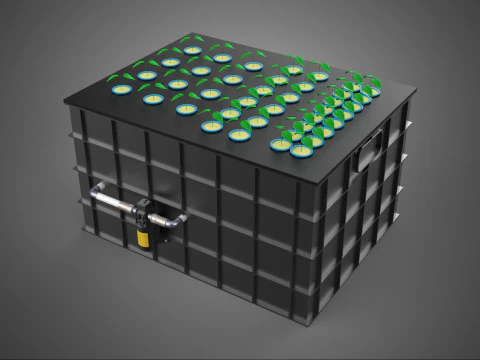
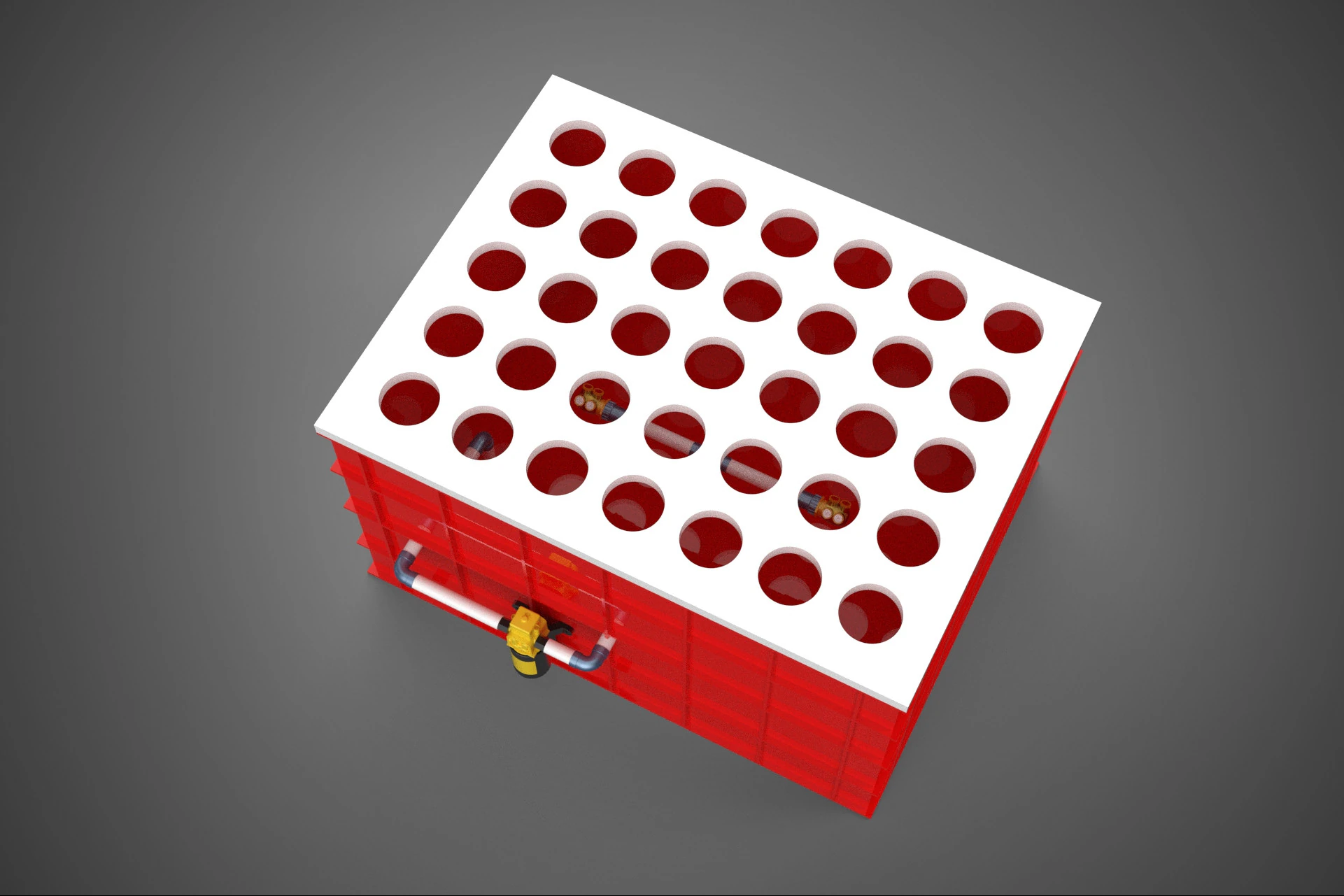
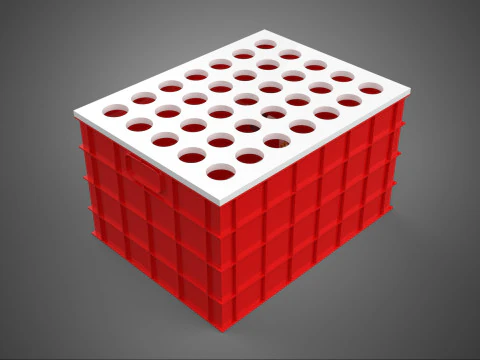
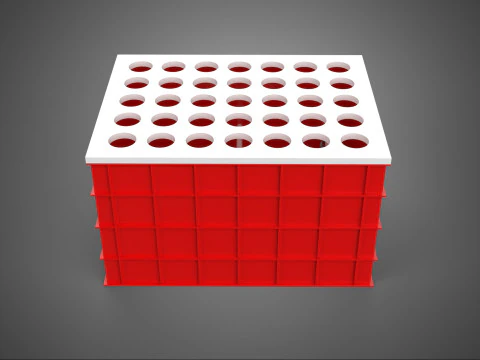
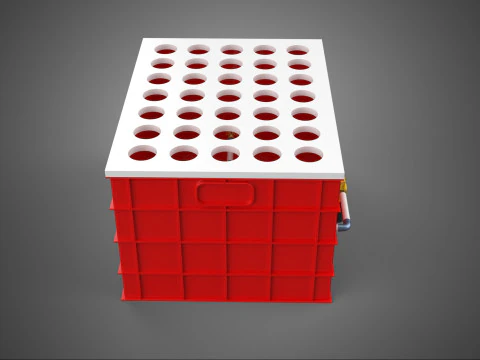
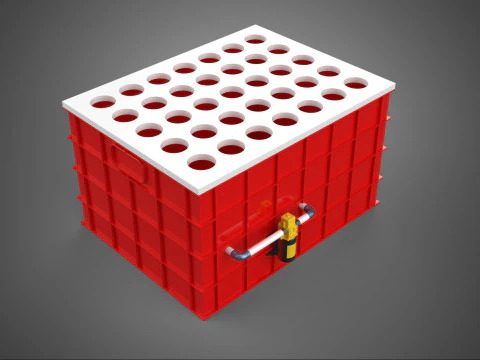
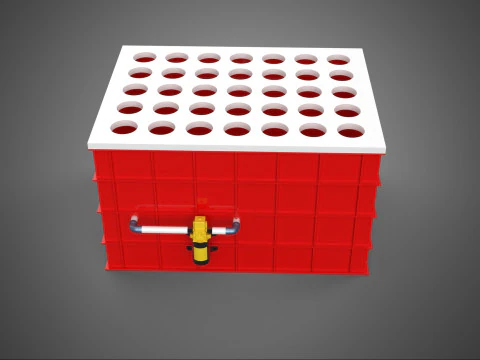
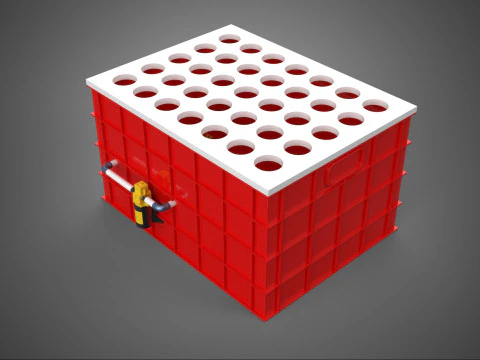
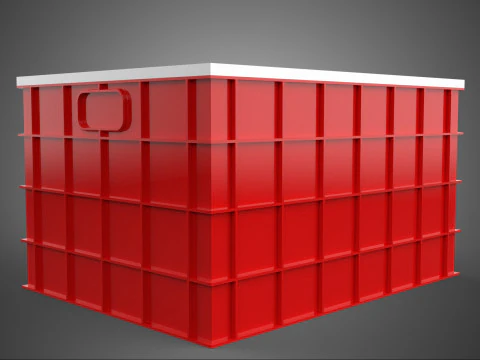
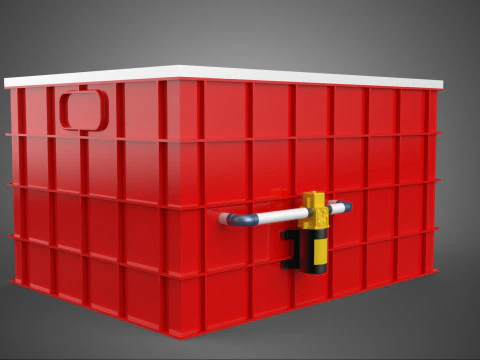
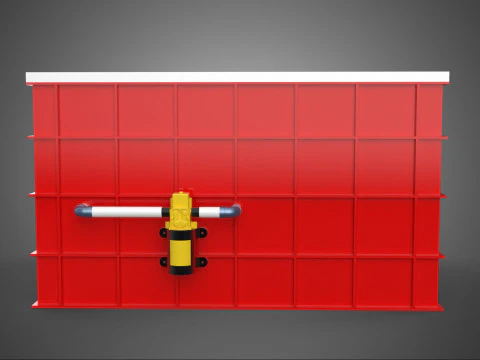
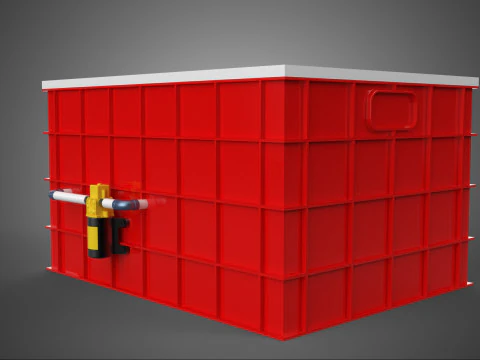
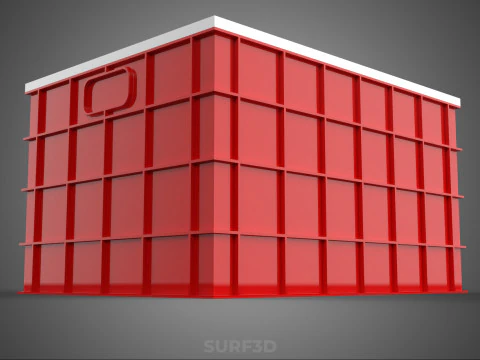
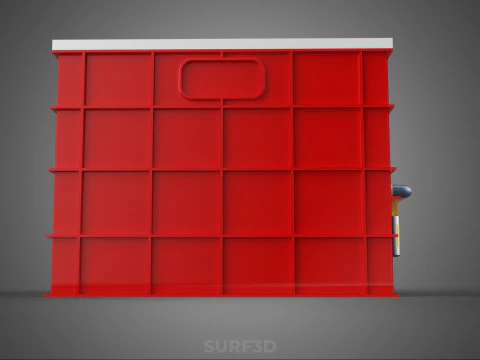
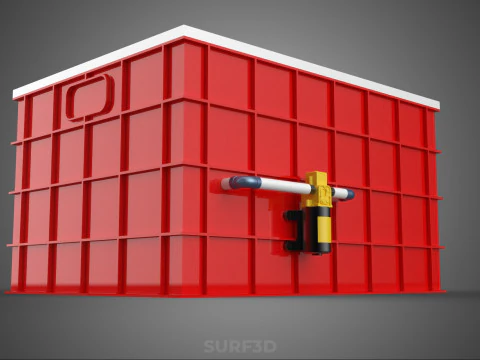
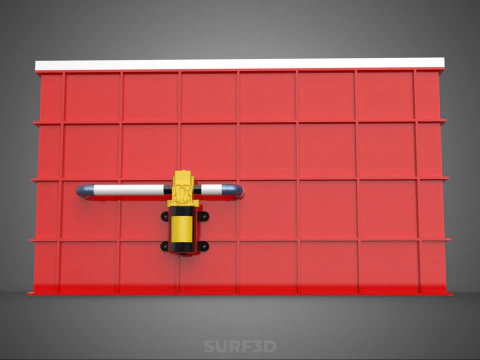
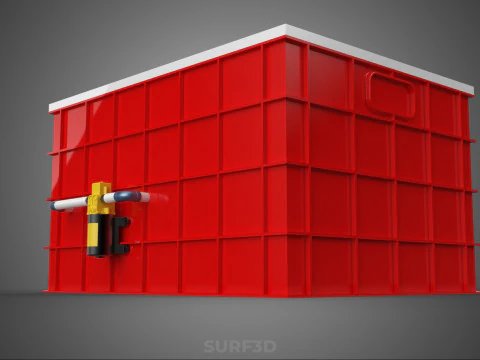
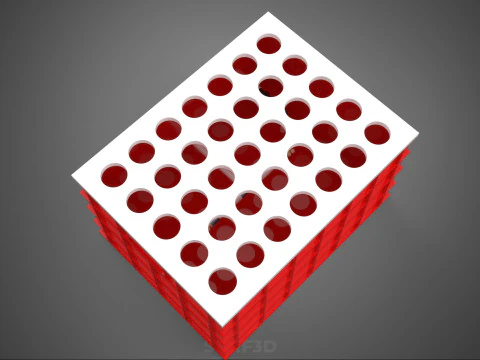
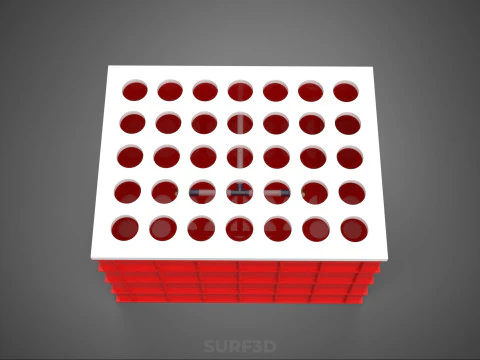
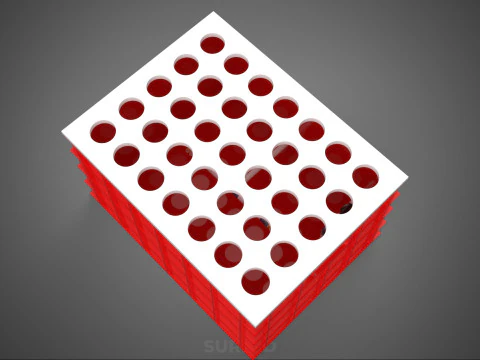
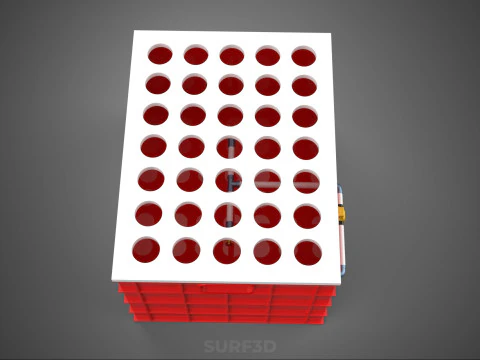
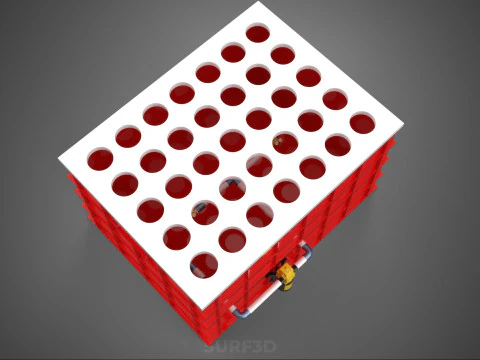
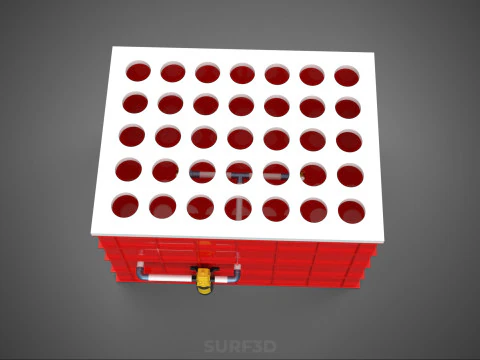
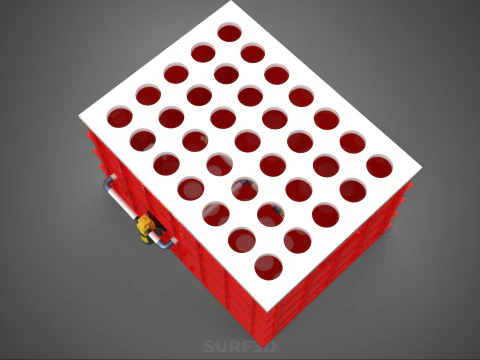
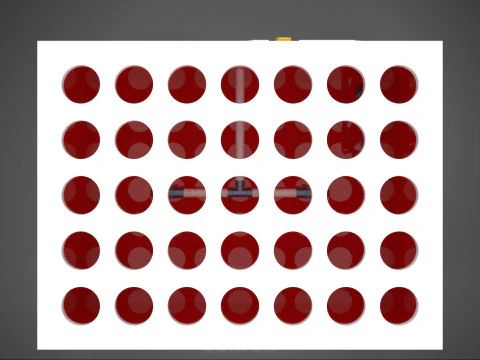
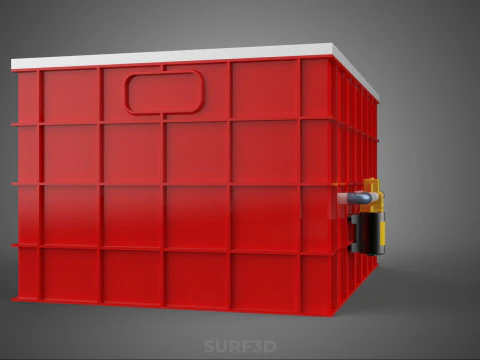
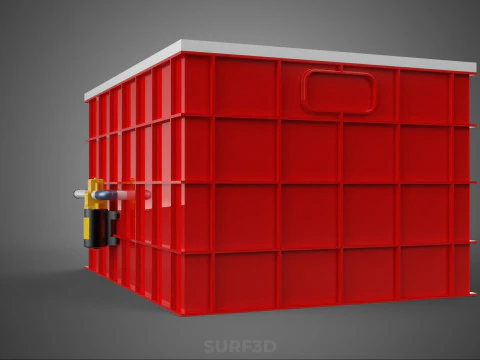
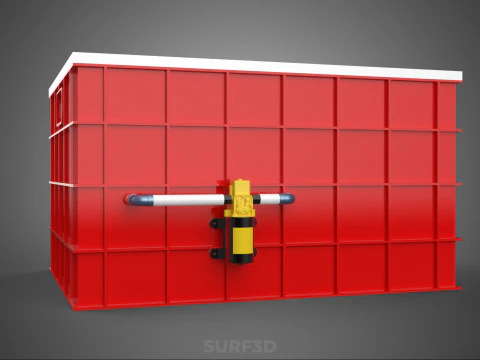
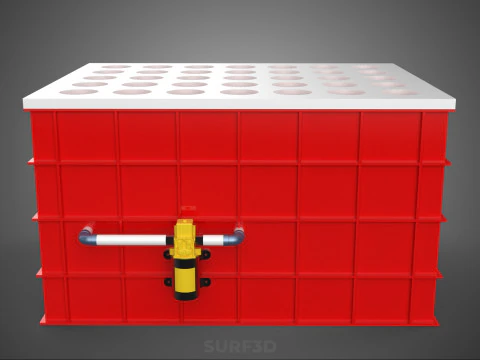
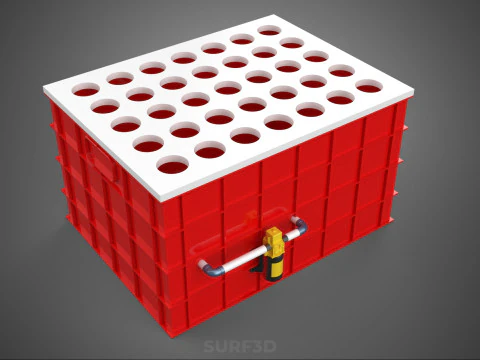
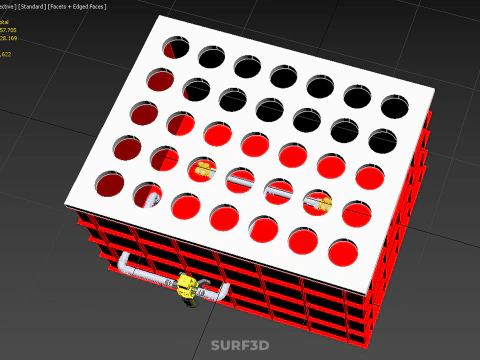
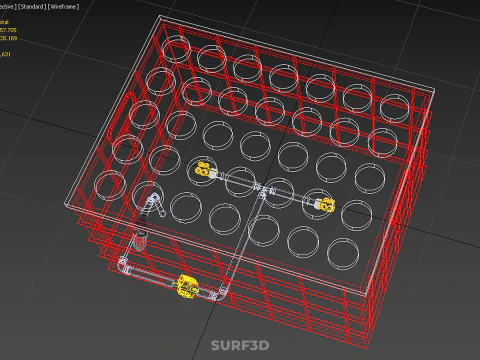
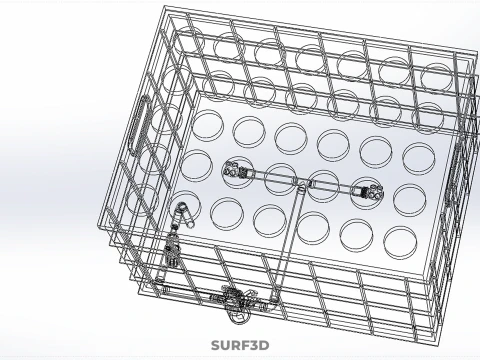
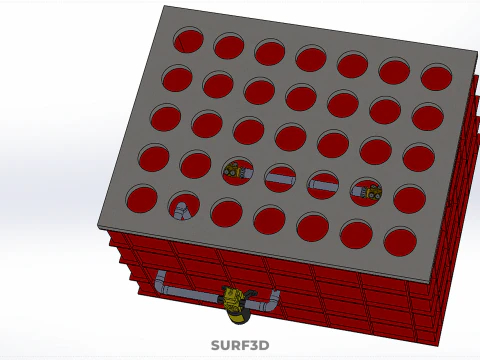
IRRIGATION PIPE SPRAYING LAYOUT AEROPONIC PLANT HOLE CULTIVATION 3D Model

- Request product support by the author


- Available formats:
- Item ID:613136
- Date: 2025-11-21
- Polygons:157705
- Vertices:128169
- Animated:No
- Textured:No
- Rigged:No
- Materials:Yes
- Low-poly:No
- Collection:No
- UVW mapping:No
- Plugins Used:No
- Print Ready:No
- 3D Scan:No
- Adult content:No
- PBR:No
- AI Training:No
- Geometry:Poly NURBS
- Unwrapped UVs:Unknown
- Views:713
Description
High-quality 3D assets at affordable prices — trusted by designers, engineers, and creators worldwide. Made with care to be versatile, accessible, and ready for your pipeline.
Included File Formats
This model is provided in 14 widely supported formats, ensuring maximum compatibility:
• - FBX (.fbx) – Standard format for most 3D software and pipelines
• - OBJ + MTL (.obj, .mtl) – Wavefront format, widely used and compatible
• - STL (.stl) – Exported mesh geometry; may be suitable for 3D printing with adjustments
• - STEP (.step, .stp) – CAD format using NURBS surfaces
• - IGES (.iges, .igs) – Common format for CAD/CAM and engineering workflows (NURBS)
• - SAT (.sat) – ACIS solid model format (NURBS)
• - DAE (.dae) – Collada format for 3D applications and animations
• - glTF (.glb) – Modern, lightweight format for web, AR, and real-time engines
• - 3DS (.3ds) – Legacy format with broad software support
• - 3ds Max (.max) – Provided for 3ds Max users
• - Blender (.blend) – Provided for Blender users
• - SketchUp (.skp) – Compatible with all SketchUp versions
• - AutoCAD (.dwg) – Suitable for technical and architectural workflows
• - Rhino (.3dm) – Provided for Rhino users
Model Info
• - All files are checked and tested for integrity and correct content
• - Geometry uses real-world scale; model resolution varies depending on the product (high or low poly)
• • - Scene setup and mesh structure may vary depending on model complexity
• - Rendered using Luxion KeyShot
• - Affordable price with professional detailing
Buy with confidence. Quality and compatibility guaranteed.
If you have any questions about the file formats, feel free to send us a message — we're happy to assist you!
Sincerely,
SURF3D
Trusted source for professional and affordable 3D models.
More Information About 3D Model :
**IRRIGATION PIPE SPRAYING LAYOUT AEROPONIC PLANT HOLE CULTIVATION**
The term "Irrigation Pipe Spraying Layout Aeroponic Plant Hole Cultivation" defines a highly specialized methodology within controlled environment agriculture (CEA), characterized by the integration of pressurized nutrient delivery systems within opaque piping structures to facilitate pure aeroponic growth. This technique eschews traditional soil or inert media, suspending plant root systems entirely within air, where they are periodically treated with an aerosolized nutrient solution.
### System Configuration and Mechanics
This cultivation method utilizes inert, robust infrastructure, typically composed of polyvinyl chloride (PVC) or high-density polyethylene (HDPE) piping, which serves as the sealed root chamber. The structural arrangement can be horizontal (gullies or channels), vertical (towers), or inclined (A-frames), optimizing space utilization.
**Plant Hole Cultivation:** Seedlings or rooted cuttings are introduced into the system via precisely drilled apertures, known as "plant holes," positioned along the upper surface of the irrigation pipe. Plants are secured using collars or net pots filled with minimal, non-absorbent material (e.g., neoprene or inert foam) solely for structural support, ensuring that the primary root mass descends fully into the dark, sealed interior cavity of the pipe.
**Irrigation Pipe Spraying Layout:** The critical functional component is the nutrient delivery mechanism. A nutrient reservoir, containing a balanced, pH-stabilized aqueous solution, feeds a high-pressure positive-displacement pump. This pump drives the solution through a manifold system to small micro-jet nozzles or foggers strategically placed within the root chamber pipe. The "Spraying Layout" refers to the precise positioning and orientation of these nozzles to ensure uniform coverage of the entire suspended root zone. Optimal nutrient absorption relies on generating a fine mist, typically composed of droplets ranging from 5 to 50 micrometers in diameter. Droplets larger than 100 micrometers can reduce gas exchange by creating a thin film of water on the roots, while excessively small droplets require prohibitive pressures.
### Aeroponic Principle and Root Zone Management
In true aeroponics, the roots are primarily exposed to air, maximizing the availability of gaseous oxygen (O₂), a crucial factor for metabolic activity and nutrient uptake. The intermittent application of the nutrient mist, controlled by automated timers and often responsive to vapor pressure deficit (VPD) or plant demands, is essential.
The internal environment of the pipe is designed to be dark, preventing algae growth, and maintain high humidity, mitigating the risk of root desiccation between spraying cycles. The nutrient solution, having contacted the roots, drains to the bottom of the pipe and is recaptured in the primary reservoir, constituting a highly efficient closed-loop recirculation system.
### Advantages and Applications
The "Irrigation Pipe Spraying Layout Aeroponic Plant Hole Cultivation" system offers significant advantages over traditional hydroponic methods:
1. **Enhanced Oxygenation:** Superior gas exchange in the root zone leads to faster growth rates and increased resistance to root-borne pathogens (e.g., *Pythium*).
2. **Water and Nutrient Efficiency:** The recirculation nature and precise application of the mist minimizes waste, often reducing water consumption by up to 98% compared to soil cultivation.
3. **Density and Automation:** The pipe-based layouts are highly conducive to vertical stacking (vertical farming) and complete automation of the feeding cycle, leading to high yields per square meter.
This technology is predominantly employed in commercial-scale urban agriculture, specialized plant research (particularly genetic modification studies), and the cultivation of high-value crops such as leafy greens, herbs, and soft fruits where maximized control and rapid turnover are required.
KEYWORDS: Aeroponics, Controlled Environment Agriculture, CEA, Vertical Farming, Misting System, High Pressure Pump, Root Zone Oxygenation, Soilless Culture, Recirculation System, Nutrient Film Technique, Hydroponics, PVC Piping, HDPE, Micro-jet Nozzle, Droplet Size, Plant Hole, Automated Cultivation, Precision Agriculture, Gas Exchange, Crop Yield, Plant Collar, Substrate-Free, Closed Loop, Water Efficiency, Nutrient Management, Root Desiccation, A-Frame System, Manifold, Root Hairs, Greenhouse Technology.
Need more formats?
If you need a different format, please send us a Conversion Request. We can convert 3D models to: .stl, .c4d, .obj, .fbx, .ma/.mb, .3ds, .3dm, .dxf/.dwg, .max. .blend, .skp, .glb. Free Format ConversionWe do not convert 3d scenes and solid formats such as .step, .iges, .stp, .sldprt etc!
Usage Information
IRRIGATION PIPE SPRAYING LAYOUT AEROPONIC PLANT HOLE CULTIVATION - You can use this royalty-free 3D model for both personal and commercial purposes in accordance with the Basic or Extended License.The Basic License covers most standard use cases, including digital advertisements, design and visualization projects, business social media accounts, native apps, web apps, video games, and physical or digital end products (both free and sold).
The Extended License includes all rights granted under the Basic License, with no usage limitations, and allows the 3D model to be used in unlimited commercial projects under Royalty-Free terms.
Read more
Do you provide Money Back Guarantee?
Yes, we do. If you purchased a product and found some error in the renders or description, we'll try to fix the problem as soon as possible. If we cannot correct the error, we will cancel your order and you will get your money back within 24 hours from downloading the item. Read more conditions hereKeywords