


 Español
 Deutsch
 日本語
日本語 Polska
 Français
 한국의
한국의 Українська
 Italiano
 Nederlands
 Türkçe
 Português
 Bahasa Indonesia
 Русский
 中國
中國 हिंदी
हिंदी
















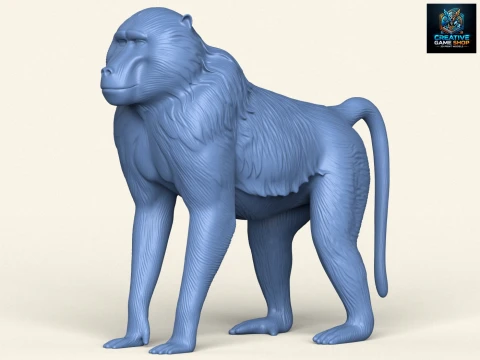
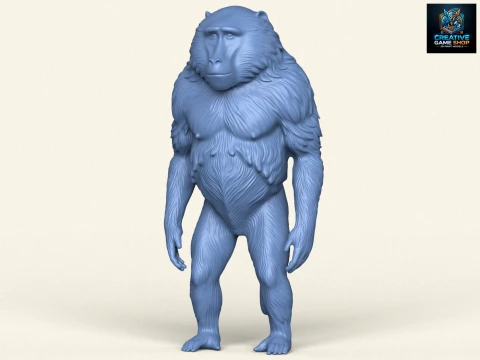
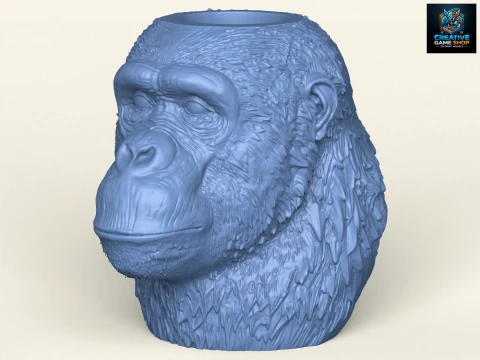
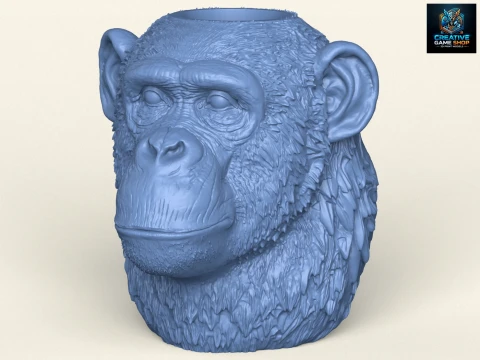
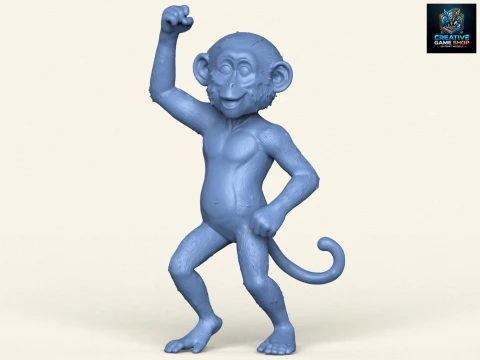
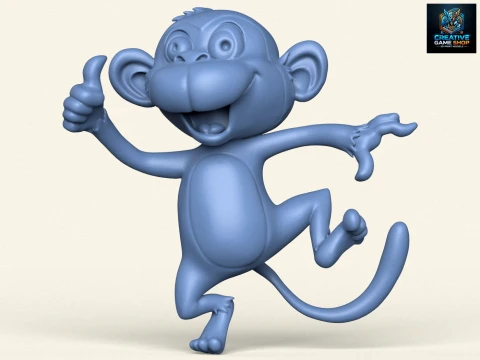
monkey 3D Models
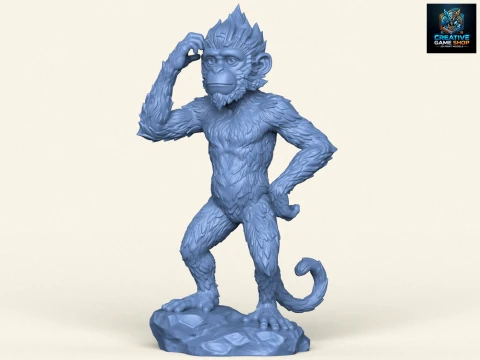
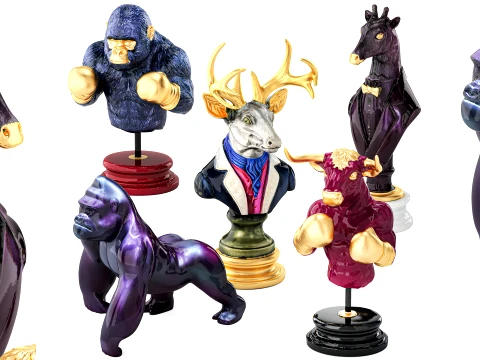
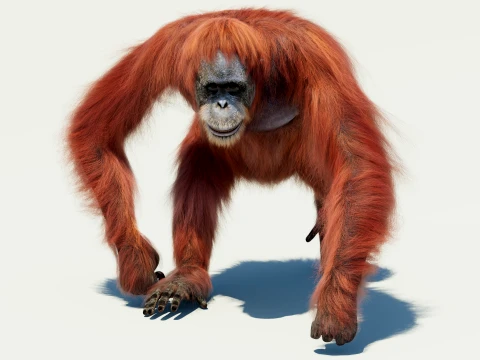
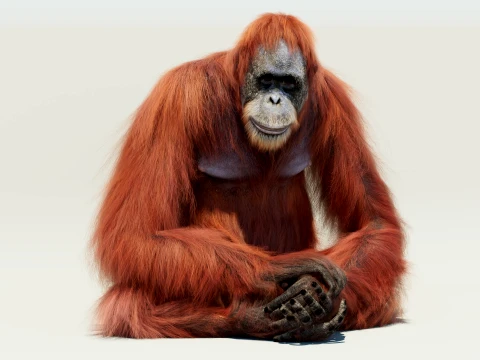
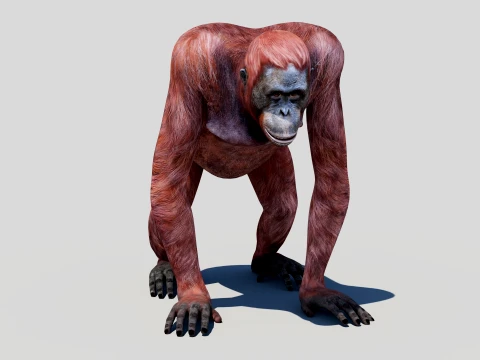
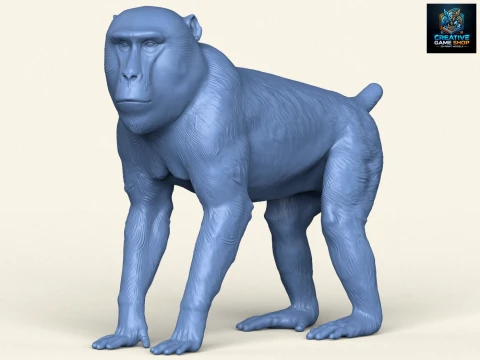
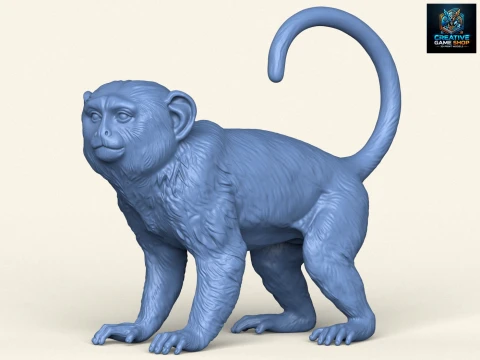
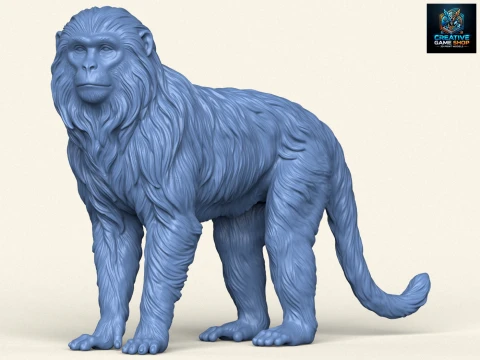
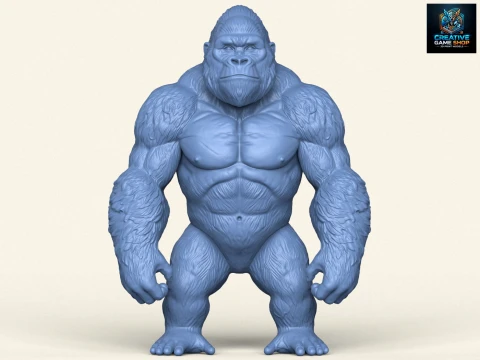
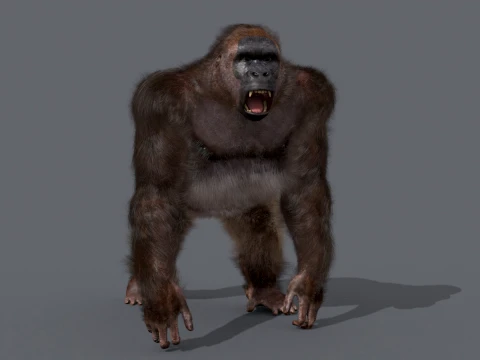
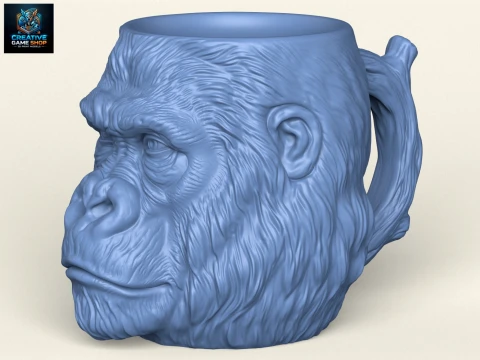
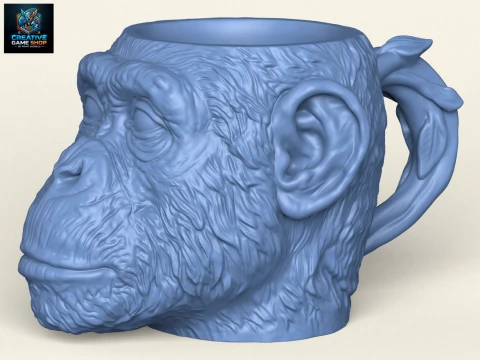
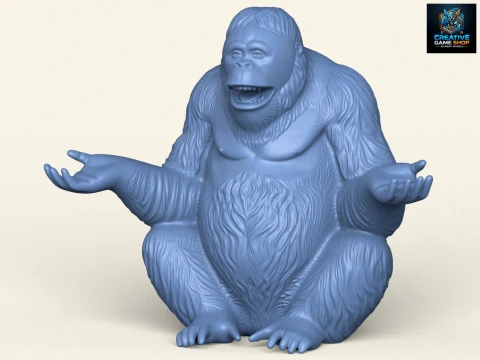
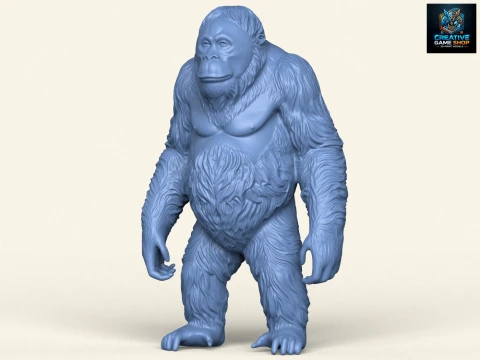
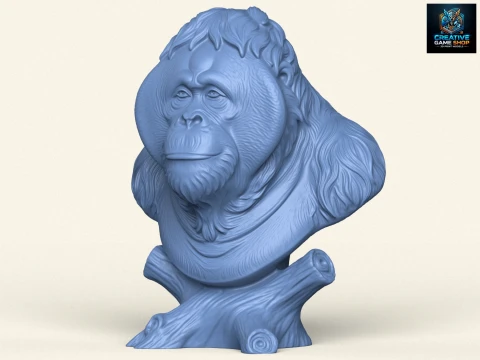
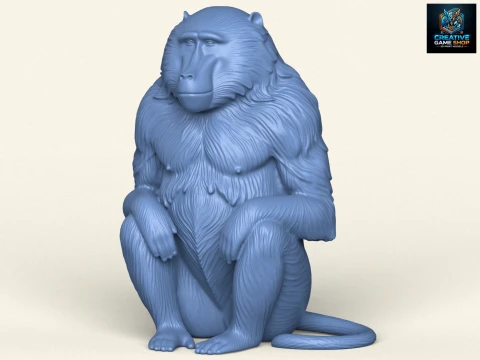
We have 632 item(s) Royalty free monkey 3D Models. Buy or download free 3D models for your CG projects, film and video production, animation, visualizations, games, VR/AR, and others. You can download any 3d model in all popular 3d formats including MAX, OBJ, FBX, 3DS, STL, C4D, BLEND, MAYA



























Trending searches 3D Models:
Sculpture 3D Models Characters 3D Models Kitchen 3D Models Horse 3D Models Architectural Exteriors 3D Models Phone and Cell Phone 3D Models Vegetable 3D Models Jewellery 3D Models Toys 3D Models Medical 3D Models Helicopter 3D Models Heavy Weapon 3D Models Truck 3D Models Anatomy 3D ModelsQ1: What species of monkey are available as 3D models on 3DExport?
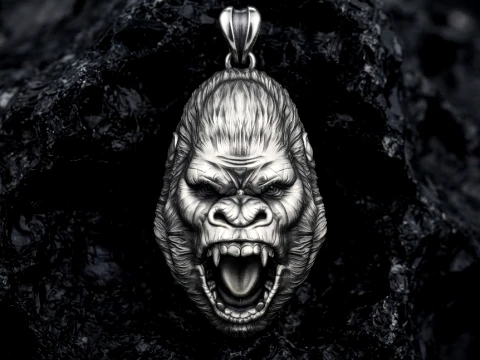
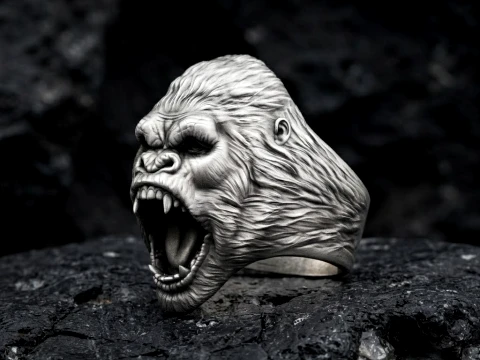
The catalog includes chimpanzees, gorillas (technically great apes), baboons, capuchins, macaques, and generic stylized monkeys that don't map to a specific species. Species accuracy matters in educational and documentary contexts — a capuchin and a baboon have very different proportions, facial features, and body scale. For entertainment use, stylized monkey characters dominate the catalog: cartoon monkeys with exaggerated features, anthropomorphic primates for character design, and low-poly stylized versions for mobile games. The Blender Suzanne head — the iconic monkey test mesh built into Blender — occasionally appears as a 3D product, though for that specific asset you're obviously better off just opening Blender.
Q2: Are rigged monkey 3D models available for character animation?
Yes — and primate rigs are among the more interesting bipedal/quadrupedal hybrid setups in character animation. A chimpanzee that can walk upright and on all fours needs a rig that handles both locomotion modes without requiring separate skeleton setups. This is done with a combination of FK/IK switching on limbs and a spine rig flexible enough to shift the center of gravity. For game use, look for models with pre-built locomotion animation sets that include both knuckle-walking and bipedal walking cycles. For film work, a control rig with proper facial blend shapes is the higher priority — primate facial expressions are nuanced and require good blend shape coverage to read correctly.
Q3: Can 3D monkey models be used in wildlife educational apps?
Absolutely — and this is an active use case in mobile education, museum interactives, and AR nature experiences. For educational apps, the critical requirement is biological accuracy: correct proportions, realistic texture detail, and behavior-accurate animations. Monkey locomotion is complex — brachiation (arm-swinging) in gibbons, for instance, has a very specific arc and timing that distinguishes it from generic swinging animation. For AR specifically, GLB format models with PBR materials work directly in web-based AR (WebXR), ARKit, and ARCore without conversion. Scale the model to real-world dimensions in the source file so the AR experience shows the animal at correct size relative to the environment.
Q4: What's the polygon count range for game-ready monkey 3D models?
A mobile game monkey prop runs 3,000–8,000 triangles. A console-quality primate character for a hero role sits at 30,000–60,000 triangles with additional geometry budget for fur cards or strand simulation. The face is typically the most polygon-dense region — primate faces need enough geometry to deform correctly for expressions, which requires roughly 2,000–4,000 triangles just for the face mesh. Tail geometry (for tailed species) adds another 2,000–5,000 tris depending on detail level. For background characters and NPC use, decimate aggressively — players don't scrutinize background primates the way they scrutinize a boss character they fight repeatedly.