


 Español
 Deutsch
 日本語
日本語 Polska
 Français
 한국의
한국의 Українська
 Italiano
 Nederlands
 Türkçe
 Português
 Bahasa Indonesia
 Русский
 中國
中國 हिंदी
हिंदी
















Puzzle - Games and Toys 3D Print Models
We have 64 item(s) Royalty free 3D Models. This category contains a wide choice of Puzzle - 3D Printable Models. Any 3D Printable Puzzle model is available in .obj, .stl, .iges, .3dm, .skp, .wrl and .blend format. All of these 3d print models are ready for 3D Printing. Also you will find a great number of 3d models in Game accessories and Toys categories.
- -20%
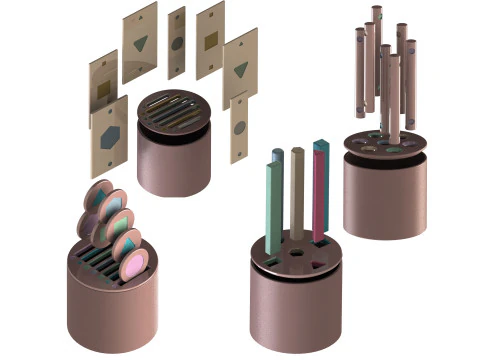 serhiishmPuzzle
 - -40%
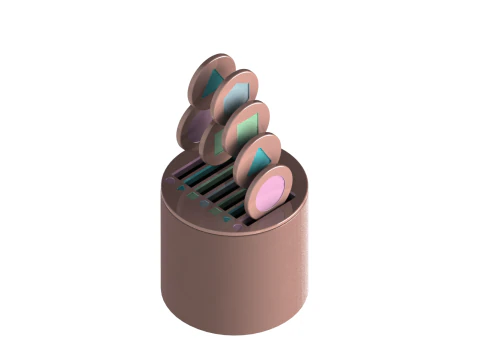 serhiishmPuzzle












Trending searches 3D Models:
Sculpture 3D Models Characters 3D Models Kitchen 3D Models Horse 3D Models Architectural Exteriors 3D Models Phone and Cell Phone 3D Models Vegetable 3D Models Jewellery 3D Models Toys 3D Models Medical 3D Models Helicopter 3D Models Heavy Weapon 3D Models Truck 3D Models Anatomy 3D ModelsWhat types of "Mechanical-Brain-Teasers" are available?
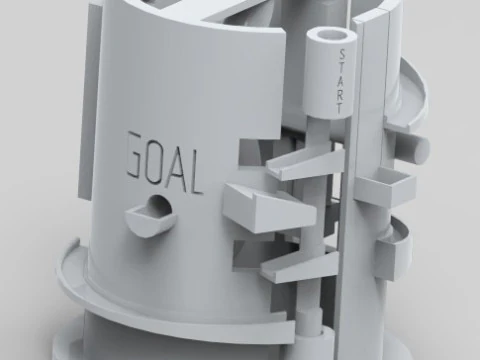
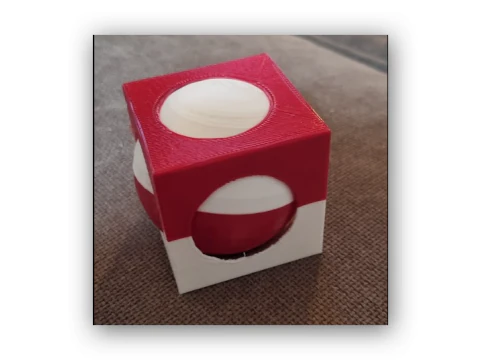
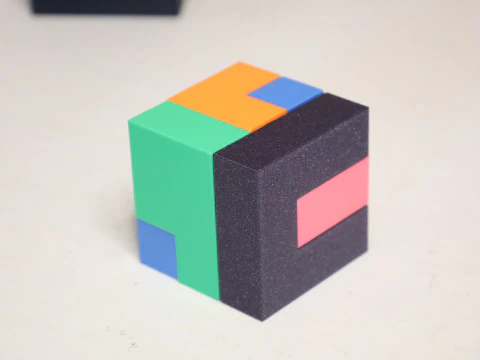
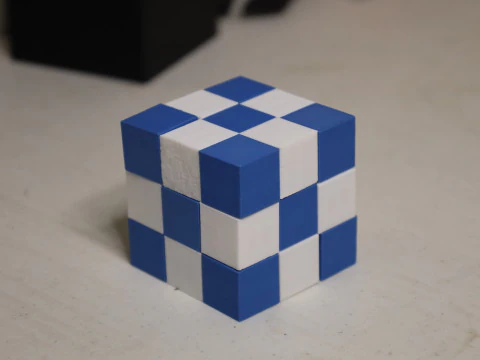
The 2026 Puzzle category features an incredible array of "Tactile-Logic" challenges, including interlocking burr puzzles, sequential movement puzzles, and "Secret-Opening" boxes. We also offer 3D-printed versions of classic sliding puzzles and complex geometric assembly challenges. These models are designed to test spatial reasoning and patience. Each design is a masterpiece of "Mathematical-Art," where every piece must be printed with high precision to function correctly. These puzzles serve as excellent "Anti-Stress" tools for adults and educational aids for children, providing a satisfying "Aha!" moment when the hidden mechanism finally reveals its secret or the pieces slide into place.
How important are "Printer-Tolerances" for successful puzzle printing?
For puzzles, "Dimensional-Accuracy" is the most critical factor. In 2026, our models are designed with "Precision-Clearances" typically ranging from 0.1mm to 0.2mm between moving parts. If your printer is not perfectly calibrated, the puzzle may be too loose or, more likely, permanently fused together. We recommend printing a "Tolerance-Test" piece before starting a complex multi-part brain teaser. Using settings like "Horizontal-Expansion-Compensation" in your slicer can help fine-tune the fit. This technical attention ensures that the interlocking pieces slide with a professional, "Buttery-Smooth" feel, which is a primary requirement for a high-quality, functional 3D-printed mechanical puzzle.
Are there "Educational-Puzzles" for learning and development?
Absolutely. The 2026 collection includes a wide variety of "STEM-Puzzles" such as 3D-printed anatomy sets, geographic map puzzles, and mathematical "Tessellation-Kits." These models turn abstract concepts into "Tangible-Learning" experiences. For example, a 3D puzzle of a biological cell or a historical monument allows students to deconstruct and rebuild the object, leading to a much deeper understanding of its structure. These assets are invaluable for "Homeschooling" and "Classroom-Environments," providing a durable, interactive, and cost-effective way to engage young minds in complex subjects through the power of "Physical-Problem-Solving" and manual discovery.
Can I create "Secret-Compartment" boxes and trick puzzles?
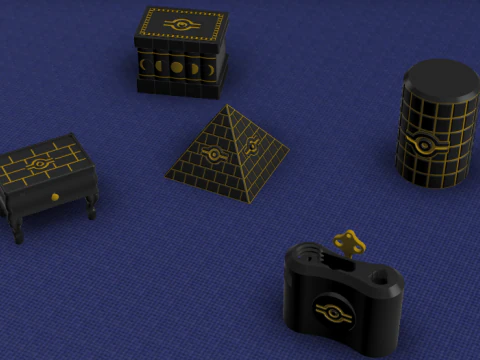
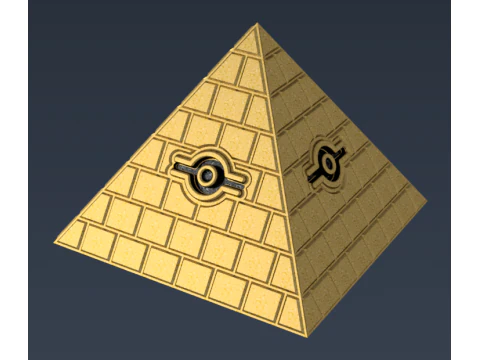
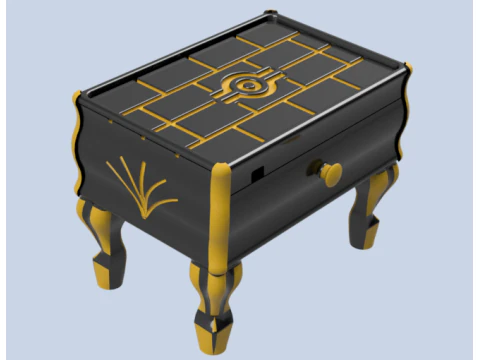
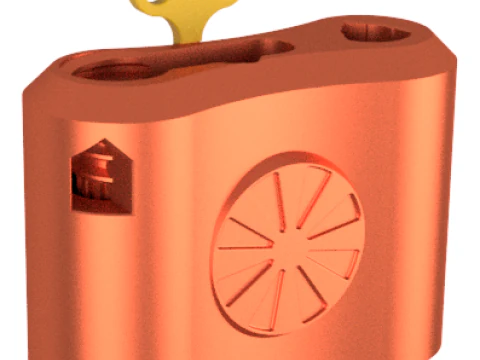
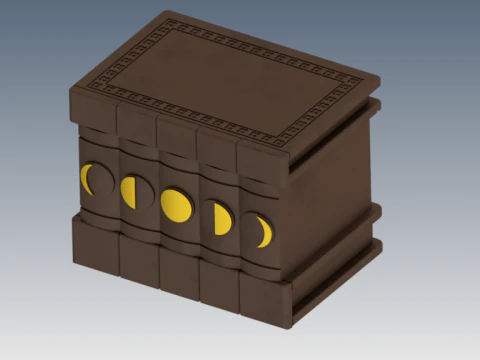
One of the most popular 2026 trends is the "Puzzle-Box." We provide models for intricate boxes that require a specific sequence of slides, rotations, or hidden magnetic keys to open. These are perfect for "Gift-Giving," as they turn the act of receiving a present into a fun and challenging game. These models often feature "Internal-Gear-Trains" or "Labyrinth-Paths" that are hidden from view. Printing these requires careful "Support-Management" to ensure internal cavities remain clear. The result is a mysterious and impressive "Mechanical-Artifact" that showcases the unique capabilities of 3D printing to create "Object-with-Internal-Complexity."
What finishing steps improve the "Tactile-Feel" of a puzzle?
To achieve a "Luxury-Puzzle" feel in 2026, "Surface-Smoothing" is essential. Sanding the contact points of interlocking pieces with high-grit sandpaper (400-800) will drastically improve the sliding action. We also recommend applying a small amount of "Dry-PTFE-Lubricant" or "Paraffin-Wax" to the moving internal tracks. For a professional aesthetic, printing the different layers of a puzzle in "High-Contrast-Colors" or "Silk-Filaments" helps the user distinguish between different components. These finishing touches transform a raw 3D print into a "Boutique-Quality" logic game that is as much a pleasure to hold and manipulate as it is to solve.