


 Español
 Deutsch
 日本語
日本語 Polska
 Français
 한국의
한국의 Українська
 Italiano
 Nederlands
 Türkçe
 Português
 Bahasa Indonesia
 Русский
 中國
中國 हिंदी
हिंदी
















Pendants - Jewellery 3D Print Models
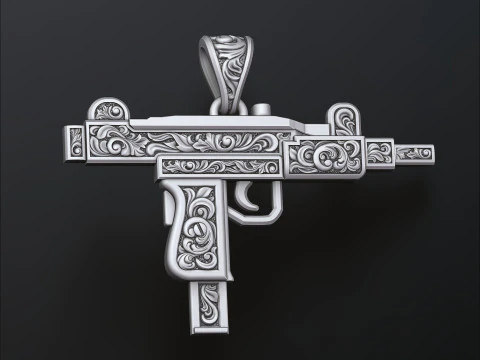
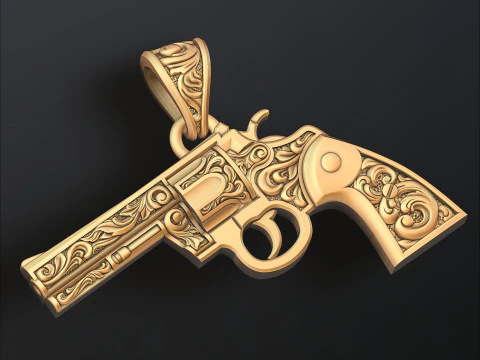
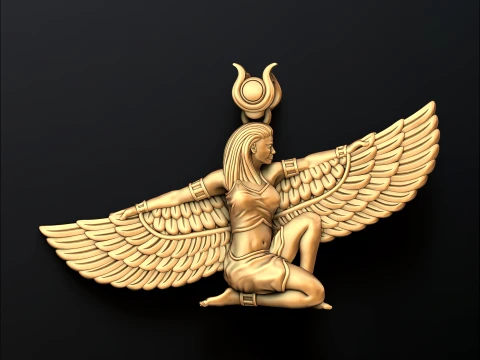
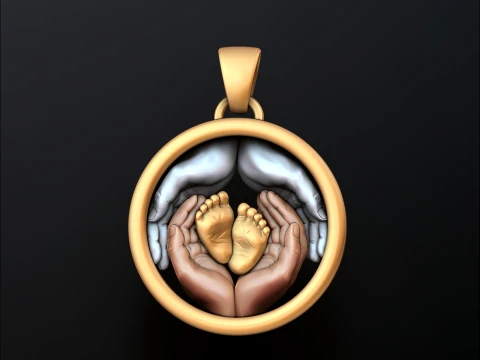
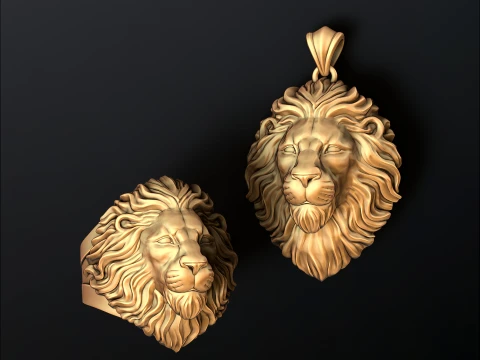
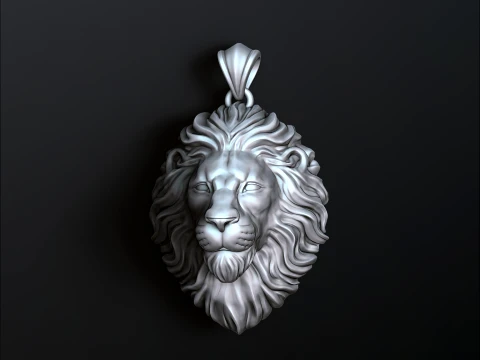
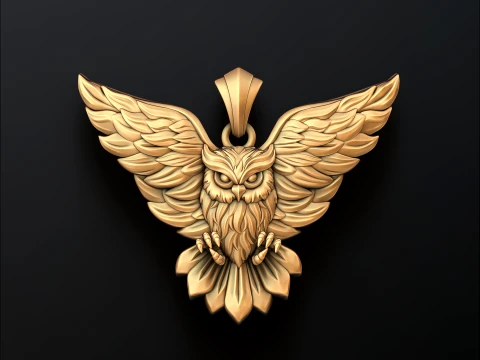
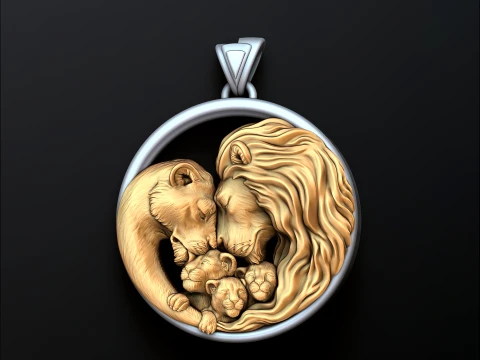
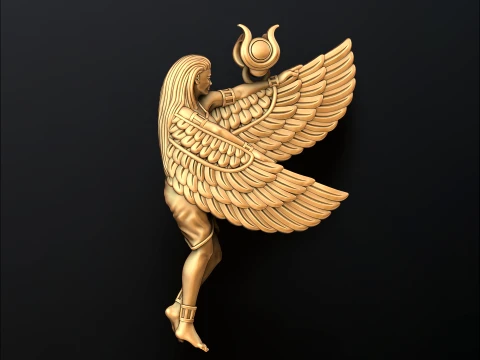
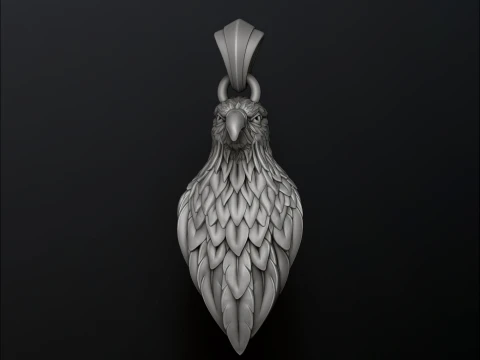
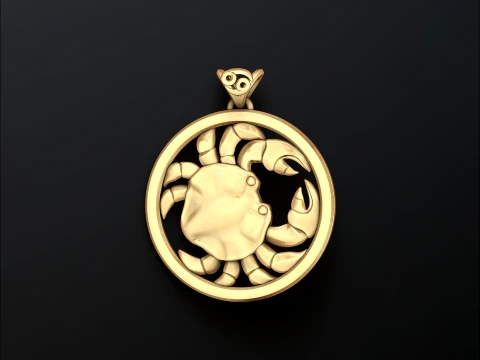
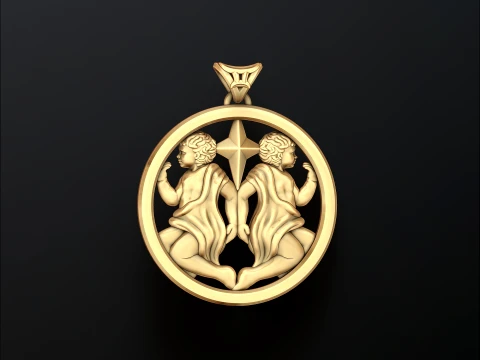
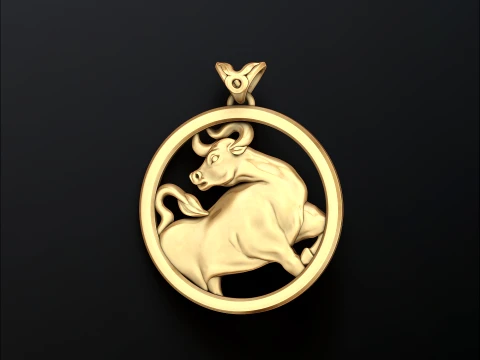
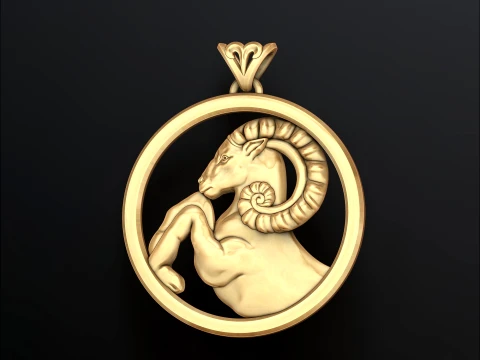
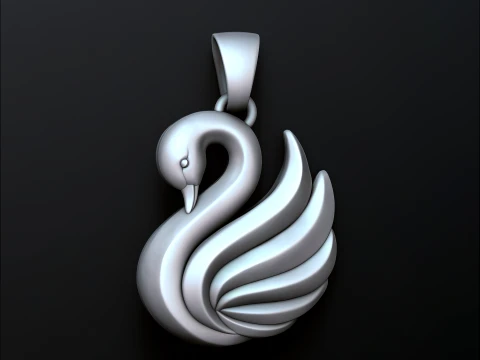
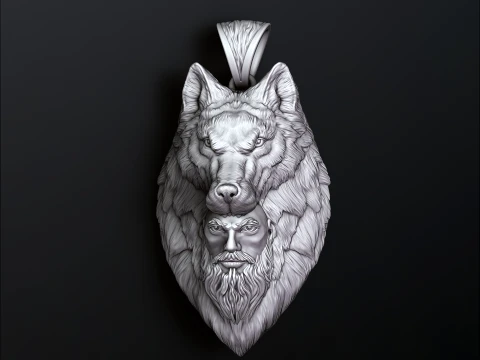
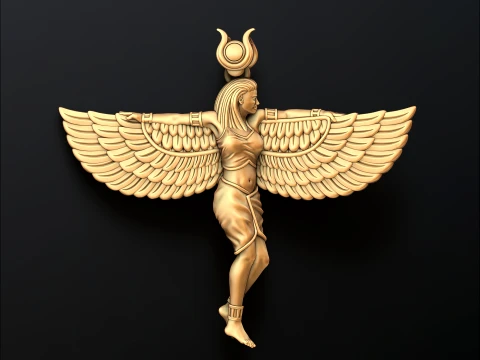
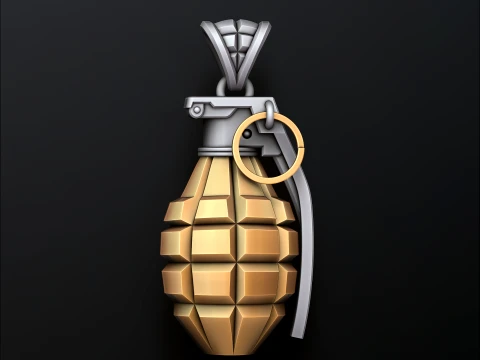
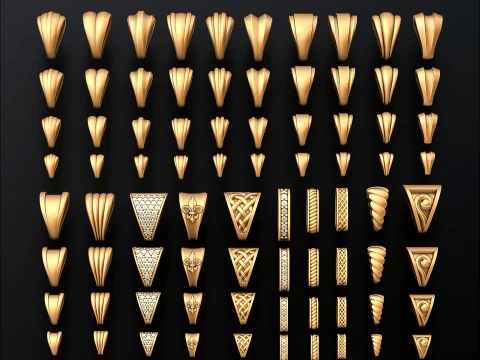
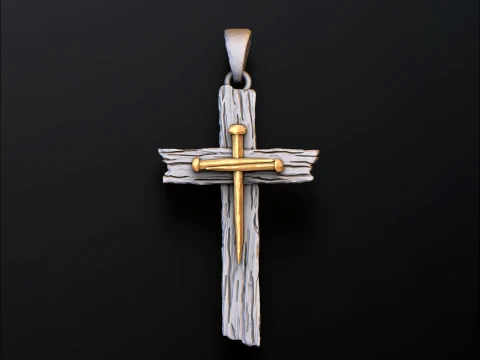
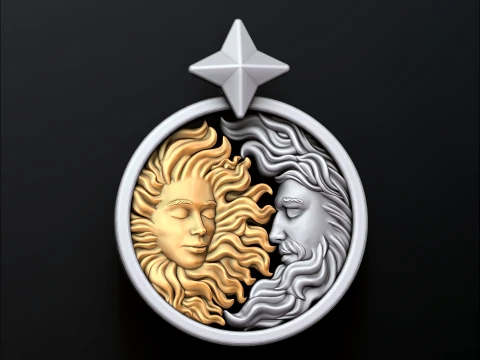
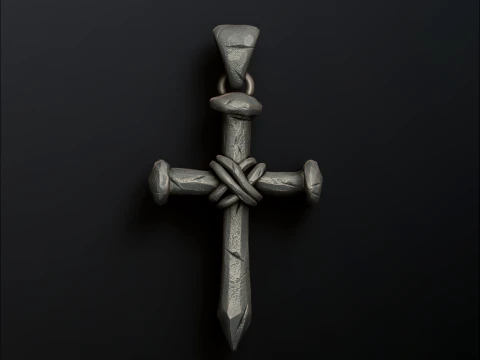
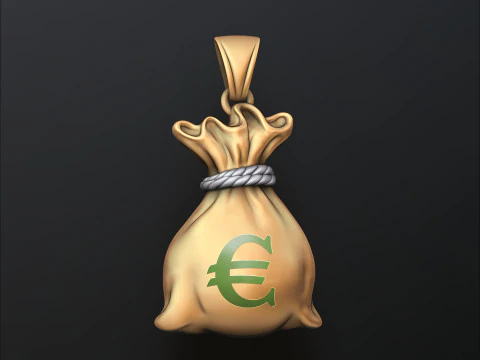
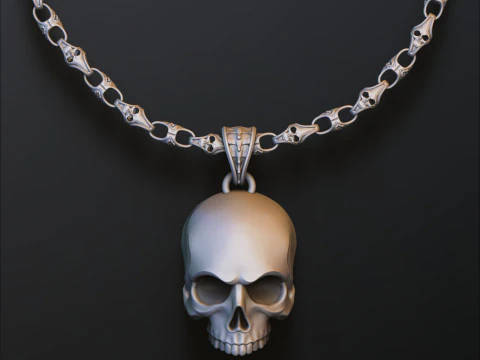
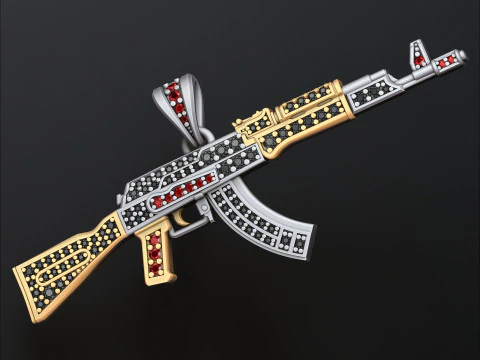
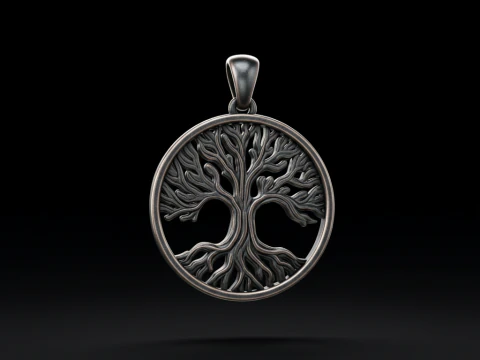
We have 11430 item(s) Royalty free 3D Models. This category contains a wide choice of Pendants - 3D Printable Models. Any 3D Printable Pendants model is available in .obj, .stl, .iges, .3dm, .skp, .wrl and .blend format. All of these 3d print models are ready for 3D Printing. Also you will find a great number of 3d models in Necklaces and Rings categories.
- -50%
 Avera3dPendants
 - -50%
 Avera3dPendants
 - -50%
 Avera3dPendants
 - -50%
 Avera3dPendants
 - -50%
 Avera3dPendants
 - -50%
 Avera3dPendants
 - -50%
 Avera3dPendants
 - -50%
 Avera3dPendants
 - -50%
 Avera3dPendants






















Trending searches 3D Models:
Sculpture 3D Models Characters 3D Models Kitchen 3D Models Horse 3D Models Architectural Exteriors 3D Models Phone and Cell Phone 3D Models Vegetable 3D Models Jewellery 3D Models Toys 3D Models Medical 3D Models Helicopter 3D Models Heavy Weapon 3D Models Truck 3D Models Anatomy 3D ModelsWhat variety of pendant styles is available in the 2026 collection?
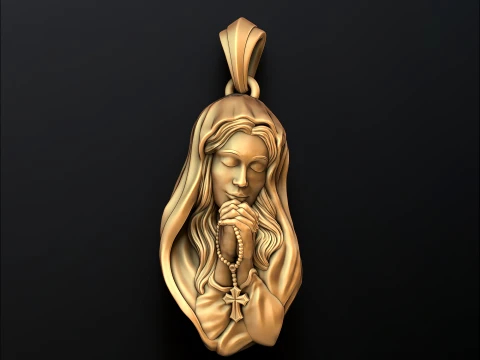
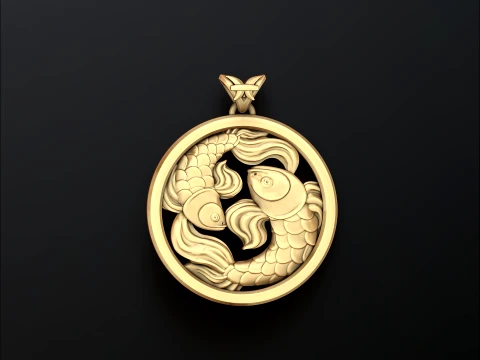
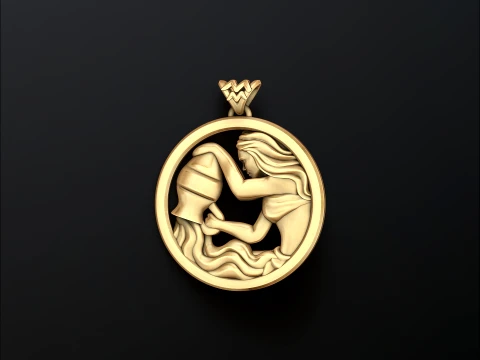
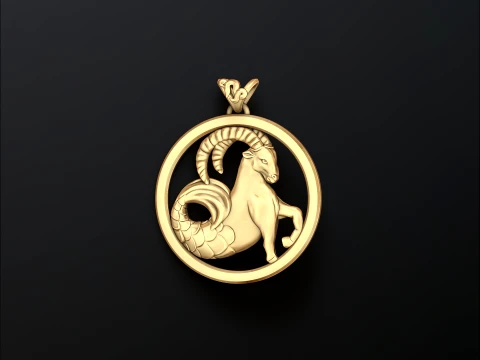
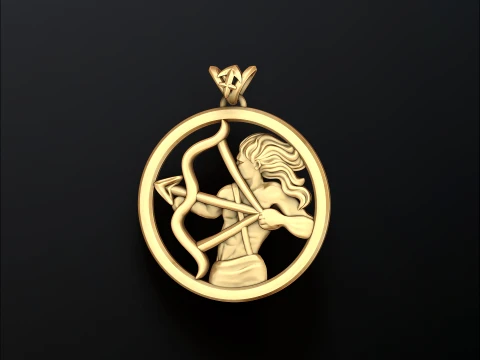
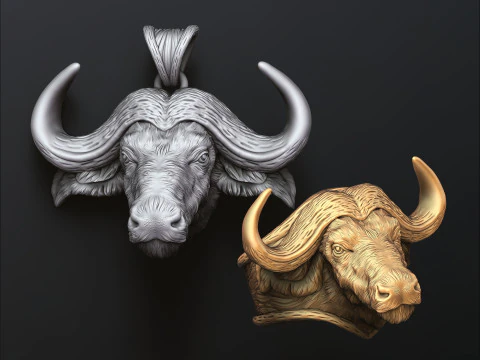
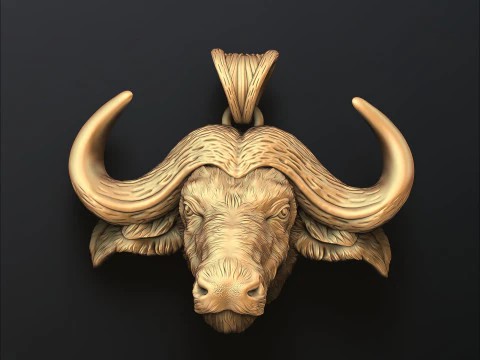
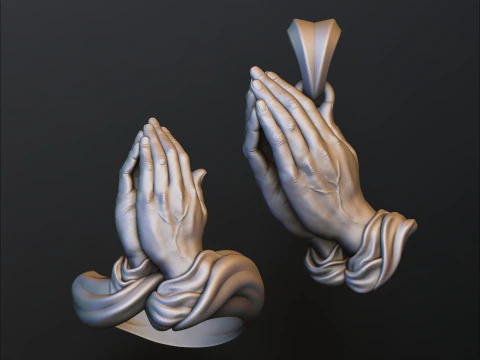
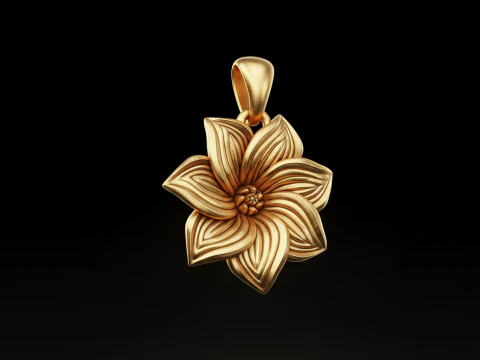
The Pendant category offers an expansive range of artistic expressions, from minimalist geometric shapes and modern medallions to highly detailed religious icons and botanical charms. In 2026, we focus on "Sculptural-Fidelity," ensuring that even the smallest relief on a medallion is deep enough to survive the casting and polishing process. These models are ideal for creating "Hero-Pieces" for a jewellery line, providing the visual complexity and thematic depth required to capture a customer's attention. The diversity of the collection allows designers to find the perfect centerpiece for everything from casual street-wear necklaces to formal high-fashion gala sets.
How is the "Bail-and-Loop" system engineered for durability?
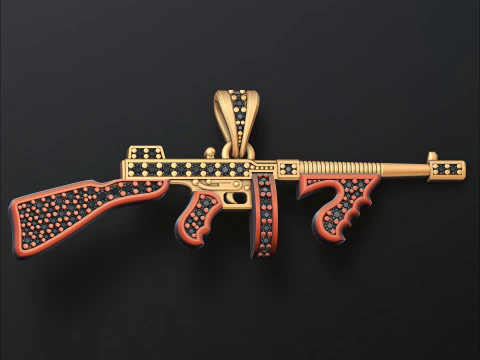
The bail is the most functional part of a pendant, and our 2026 models feature reinforced "Internal-Channels" to prevent wear over time. We provide various bail styles, including fixed loops and articulated bails that allow the pendant to move naturally with the wearer's body. The loops are sized to accommodate a wide range of standard chain thicknesses. This mechanical focus ensures that the connection point remains strong even in heavier gold or platinum pieces, providing the wearer with security and the designer with a technically sound asset that is ready for immediate production.
Are these models optimized for "Two-Tone" or multi-metal designs?
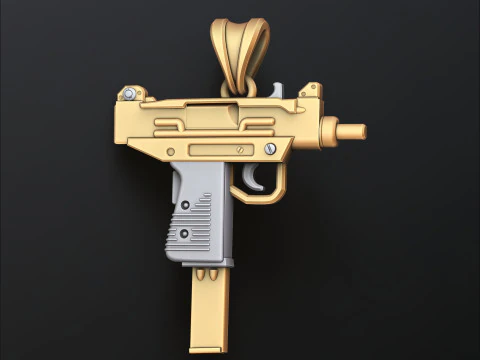
Many of our 2026 pendant models are provided as "Exploded-Kits," where the central motif and the outer frame are separate files. This allows the jeweller to cast the components in different metals—such as white gold and rose gold—before assembling them into a single piece. This modularity is a primary requirement for creating high-contrast luxury jewellery. It also simplifies the polishing process, as the jeweller can reach the internal corners of each part before they are permanently joined. This technical versatility empowers designers to create sophisticated, multi-colored jewellery without complex manual masking.
What level of detail is included for "Engravable" surfaces?
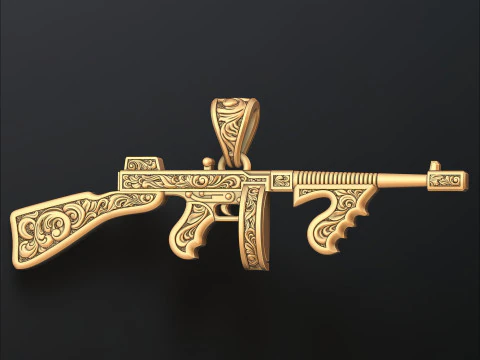
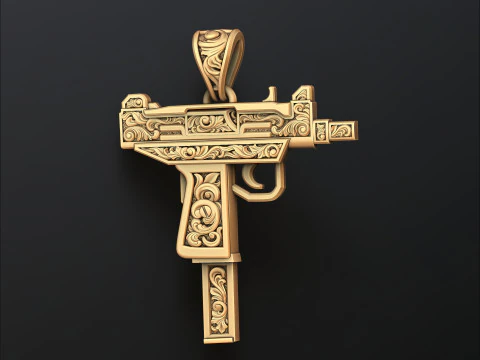
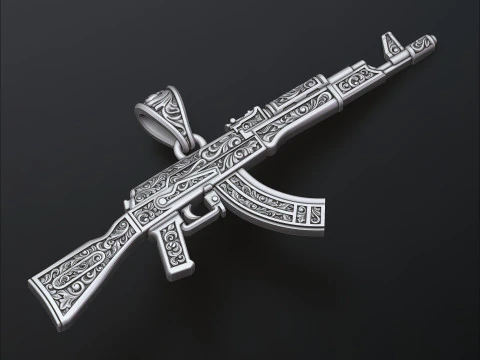
For pendants intended for personalization, we provide models with "Clean-Flat-Planes" that are optimized for secondary laser or hand engraving. In 2026, we also offer "Raised-Relief" designs where the texture is already integrated into the 3D mesh. The depth of these details is calibrated to ensure that they remain crisp even after the final "High-Gloss" polishing. Whether you are creating a family crest, a personalized monogram, or a symbolic talisman, these assets provide a perfect canvas for customization, ensuring the final printed and cast object looks professional and premium.
How do I ensure the best surface finish for 3D printed pendants?
To achieve a "Showroom-Finish," we recommend printing pendants in a vertical or slightly tilted orientation using high-resolution resin. This minimizes the appearance of layer lines on the main faces of the design. In 2026, we also recommend "Pre-Polishing" the resin model before creating a mold or casting, as it is much easier to remove imperfections from the resin than from the hard metal. Using a "Variable-Layer-Height" setting in your slicer can further enhance the smoothness of curved surfaces, resulting in a cast pendant that requires minimal manual buffing to reach a mirror-like shine.