


 Español
 Deutsch
 日本語
日本語 Polska
 Français
 한국의
한국의 Українська
 Italiano
 Nederlands
 Türkçe
 Português
 Bahasa Indonesia
 Русский
 中國
中國 हिंदी
हिंदी
















Rings - Jewellery 3D Print Models
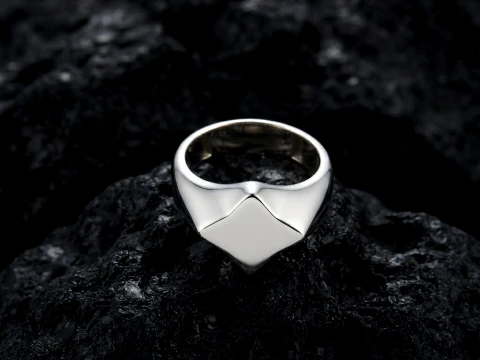
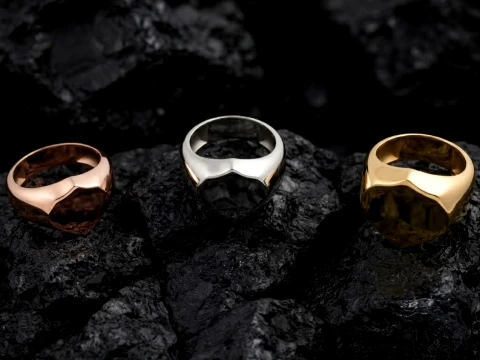
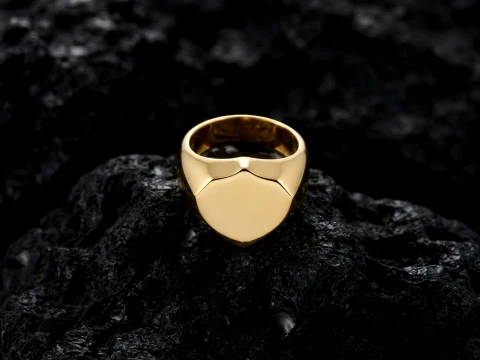
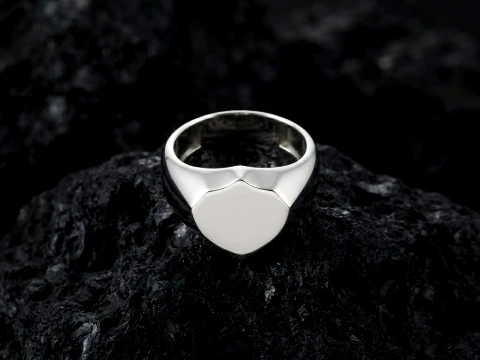
We have 10179 item(s) Royalty free 3D Models. This category contains a wide choice of Rings - 3D Printable Models. Any 3D Printable Rings model is available in .obj, .stl, .iges, .3dm, .skp, .wrl and .blend format. All of these 3d print models are ready for 3D Printing. Also you will find a great number of 3d models in Pendants and Other categories.
- -30%
 Avera3dRings
 - -30%
 Avera3dRings


Trending searches 3D Models:
Sculpture 3D Models Characters 3D Models Kitchen 3D Models Horse 3D Models Architectural Exteriors 3D Models Phone and Cell Phone 3D Models Vegetable 3D Models Jewellery 3D Models Toys 3D Models Medical 3D Models Helicopter 3D Models Heavy Weapon 3D Models Truck 3D Models Anatomy 3D ModelsHow are gemstone settings and prongs optimized for 2026 ring models?
Precision is the primary requirement for a successful stone setting. Our 2026 ring models feature prongs and bezels designed with "Setting-Tolerance" in mind, meaning they are slightly elongated to allow the jeweler to securely push the metal over the stone during the finishing process. We provide models with pre-drilled seatings for standard calibrated stones, ensuring that diamonds or sapphires fit perfectly into the cast metal. This technical preparation reduces the labor time for the setter and minimizes the risk of stone breakage, providing a reliable workflow from the digital STL file to the final high-jewelry product.
Are the ring sizes adjustable within the 3D digital files?
While our models are provided in standard industry sizes, the geometry is optimized for "Non-Destructive" scaling. In 2026, we utilize high-fidelity meshes that allow a jeweler to resize a ring by several increments without distorting the intricate filigree or pave patterns. We also provide "Open-Shank" versions for specific designs to facilitate easier physical resizing after casting. This flexibility ensures that a single design can be adapted for a wide range of clients, maintaining the structural integrity of the band and the aesthetic balance of the central design regardless of the final diameter required for the wearer.
What is the significance of the "Under-Gallery" detail in luxury rings?
High-end rings in 2026 are defined by the beauty of their internal structures. Our models include detailed "Under-Galleries," which are the ornamental lattices visible beneath the main gemstone. This is not just for aesthetics; these cutouts allow light to enter the stone from below, maximizing brilliance, and make the ring lighter and more comfortable for long-term wear. Additionally, these galleries provide better access for ultrasonic cleaning, ensuring the piece remains sparkling. By including these professional details, our models meet the "Couture-Standard" required by luxury brands and independent bespoke artisans alike.
How do 2026 models handle the "Metal-Shrinkage" factor during casting?
Casting precious metals like gold or platinum involves a predictable amount of shrinkage as the metal cools. Our 2026 ring assets are designed with "Compensation-Offsets," where the wall thicknesses and prong diameters are calculated to be slightly larger in the digital file. This ensures that after the "Lost-Wax" process and final polishing, the ring reaches its intended final weight and dimensions. This technical foresight is essential for professional manufacturers who need to calculate gold weight accurately and ensure that the final product feels substantial and premium rather than thin or fragile.
Which 3D printing resins are recommended for high-detail ring casting?
For the best results in 2026, we recommend using "High-Wax-Content" resins or specialized "Castable-Resins" designed for zero ash residue. These materials ensure a clean burnout in the furnace, which is critical for preventing pits or porosity in the final gold or silver casting. For "Master-Patterns" intended for rubber molding, high-resolution "Tough-Resins" are preferred due to their heat resistance and surface hardness. By choosing the correct material for the specific stage of production, designers can achieve the crispest details in pavé settings and micro-engravings, resulting in a flawless finished piece of jewellery.