
 Español
 Deutsch
 日本語
日本語 Français
 한국의
한국의 Italiano
 Nederlands
 Türkçe
 Português
















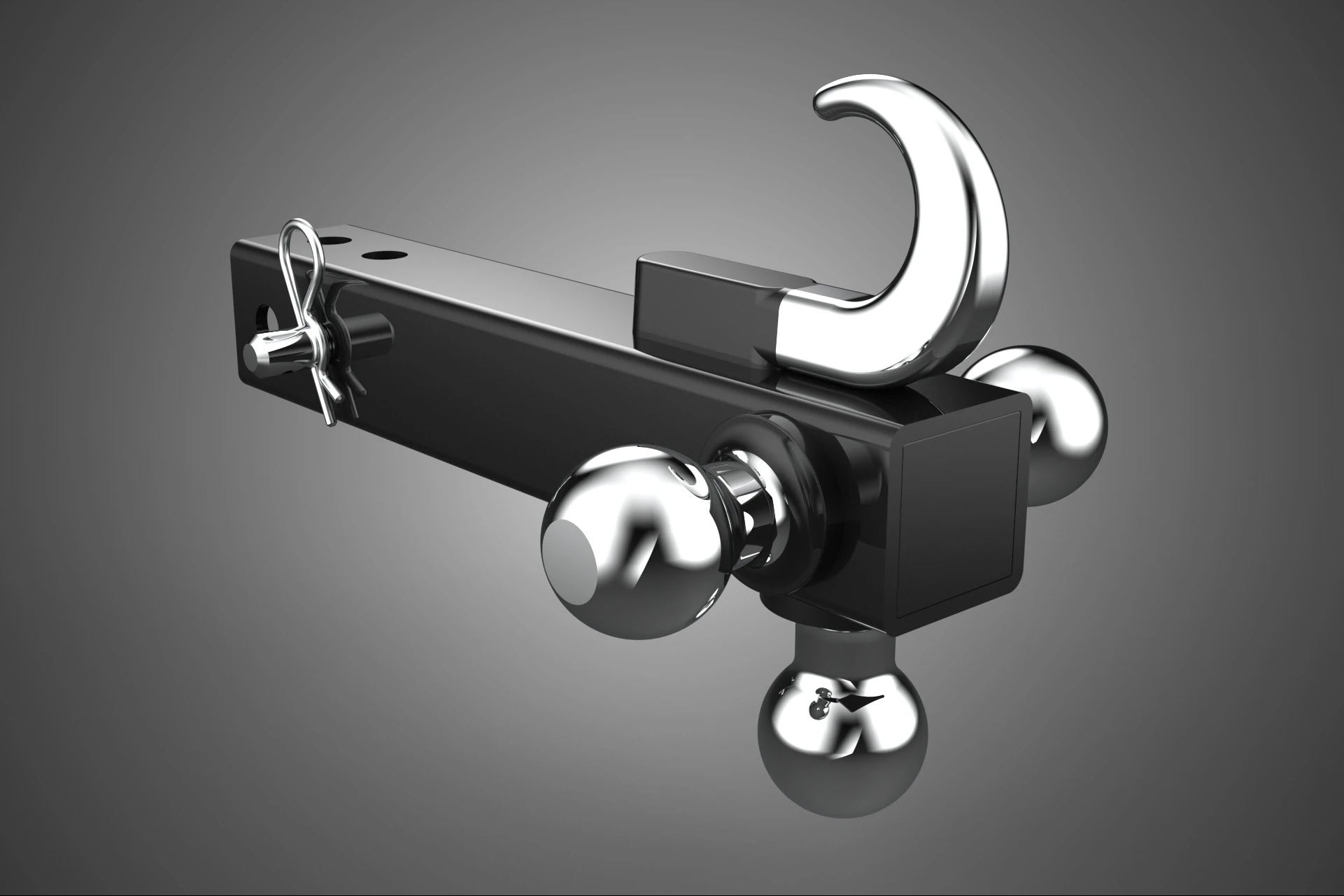
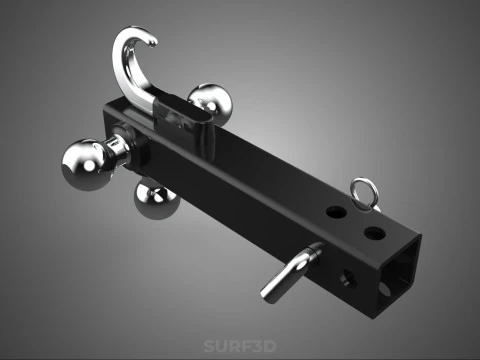
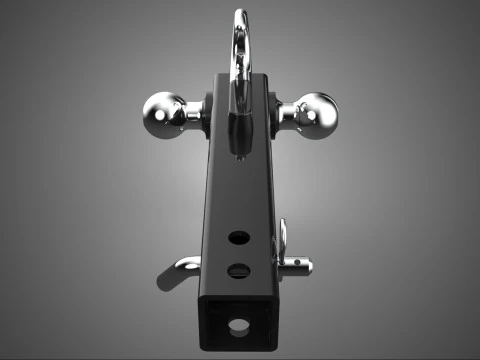
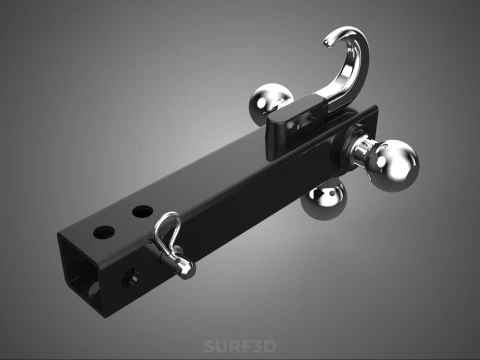
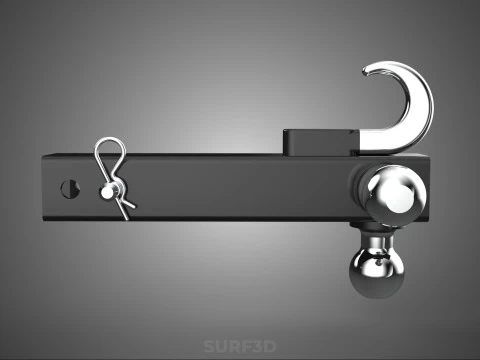
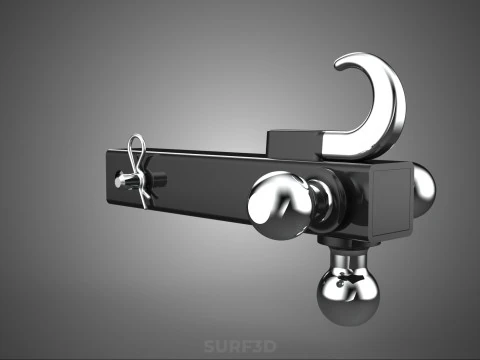
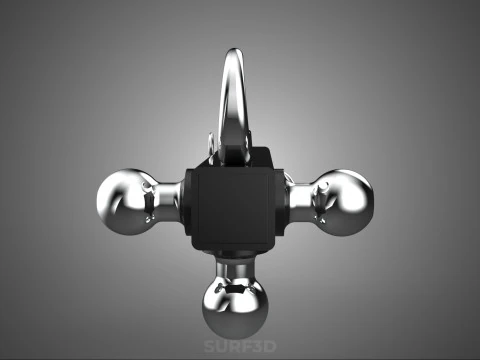
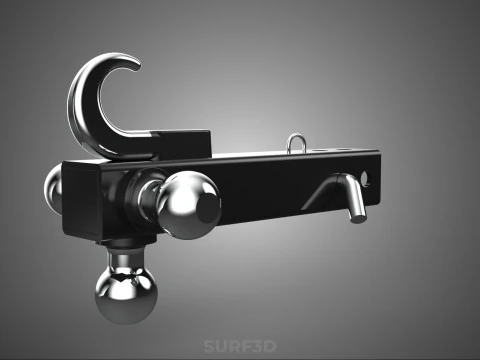
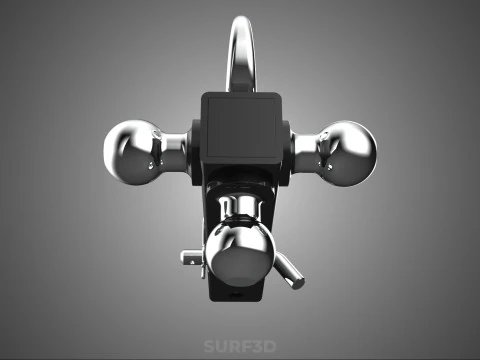
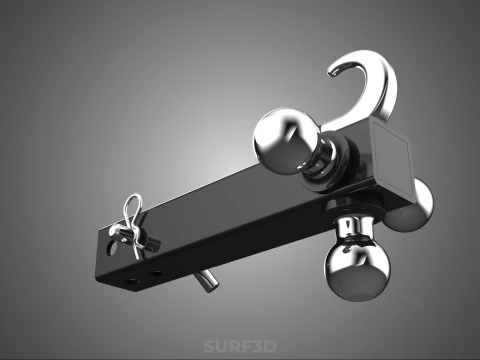
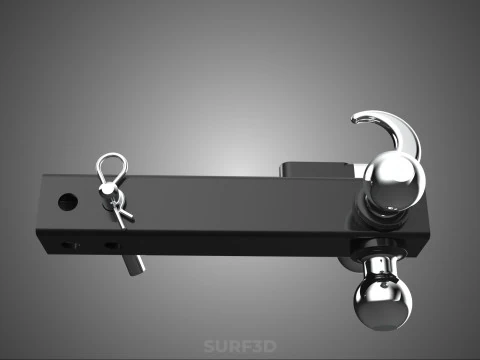
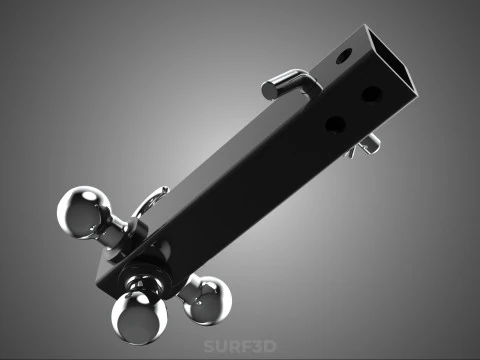
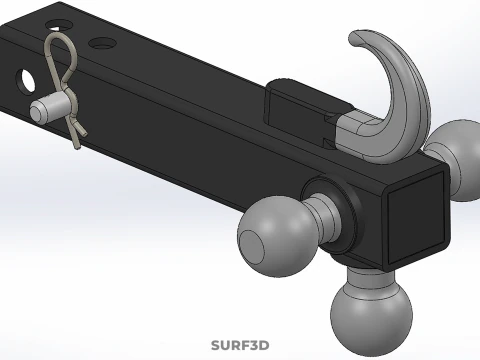
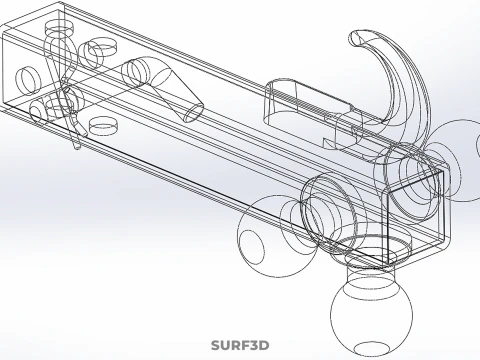
HOOK HITCH BALL MOUNT TRAILER SHANK RECEIVER DRAWBAR TOWING TOW 3D Model

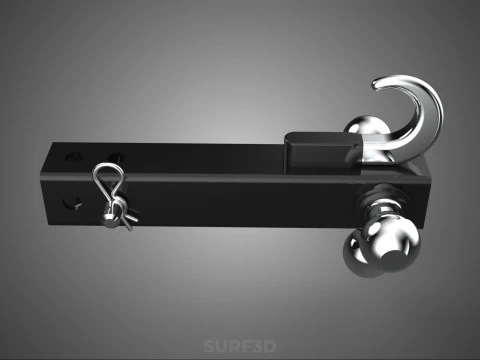
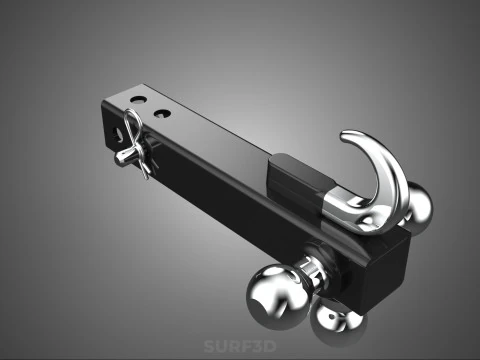
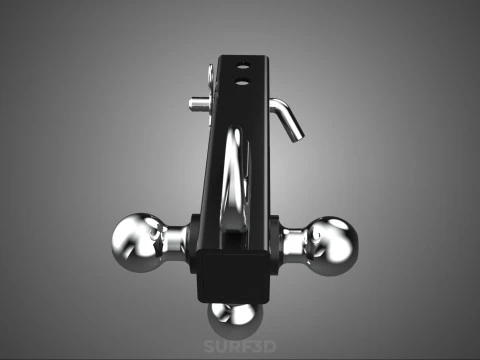
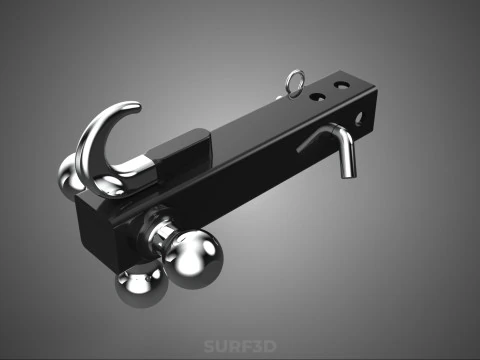
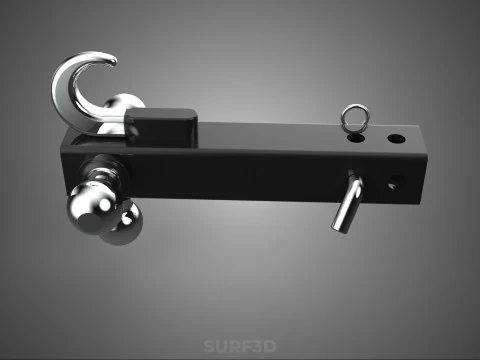
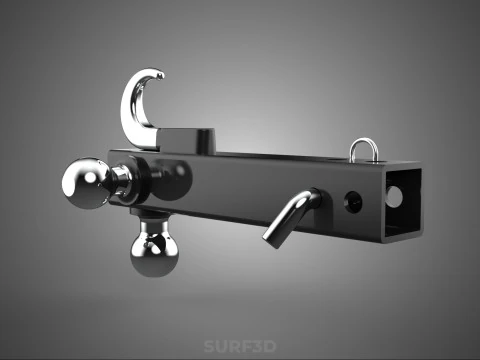
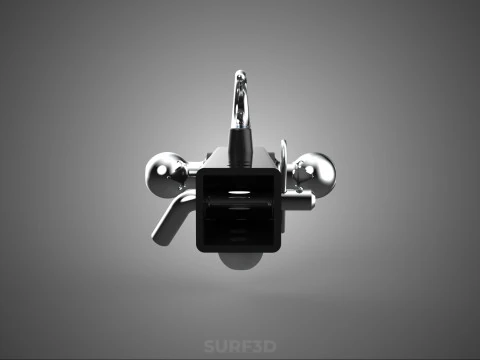
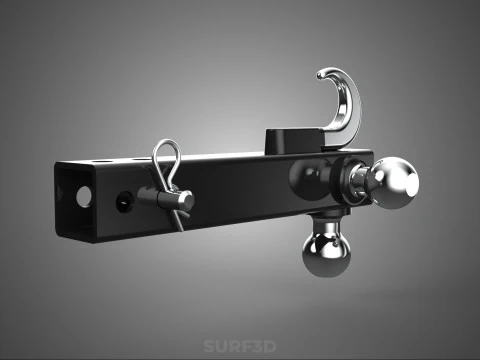
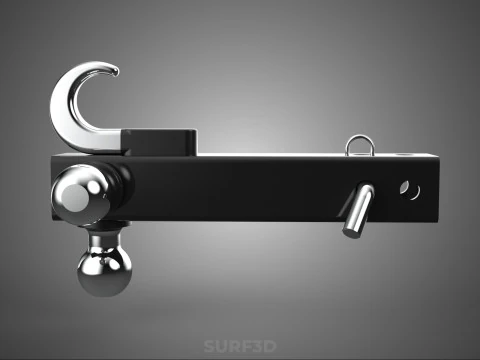
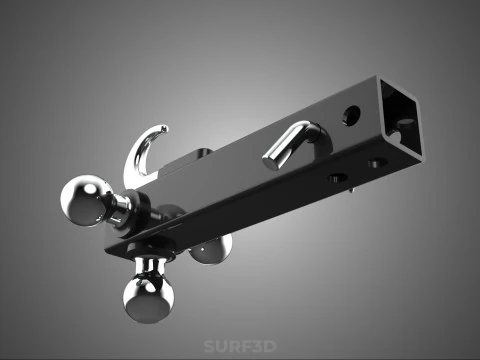
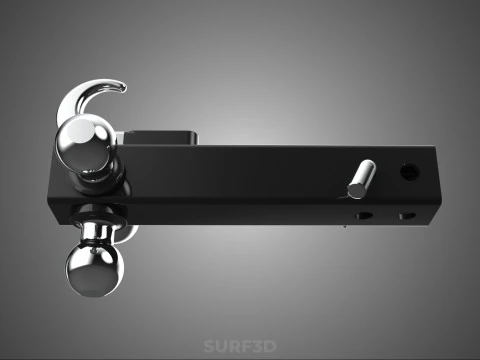
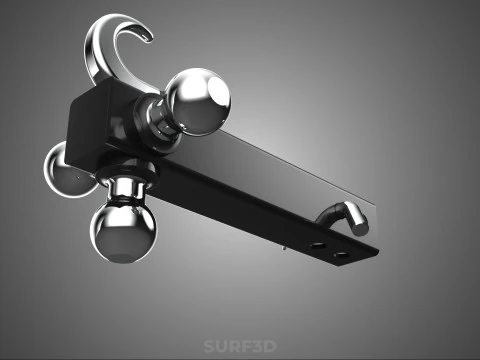
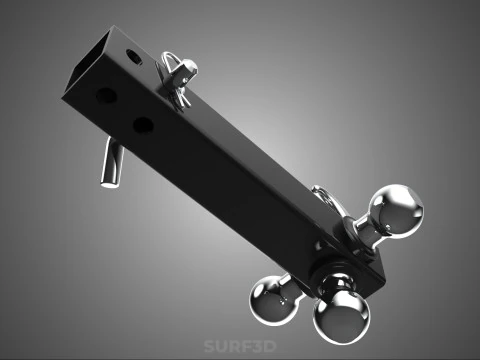
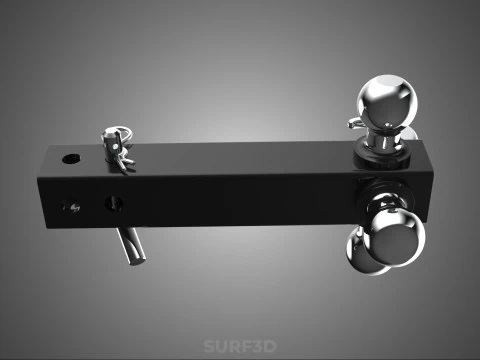
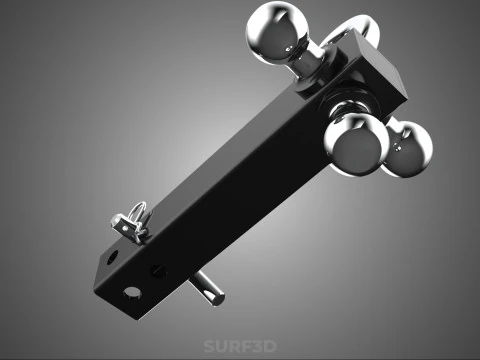


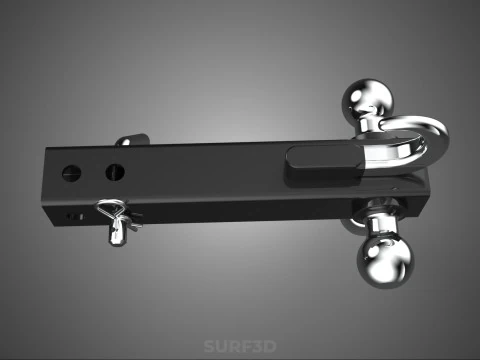
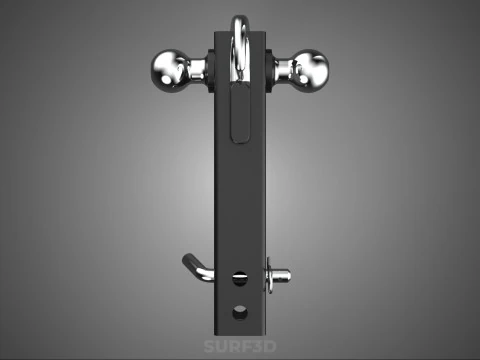
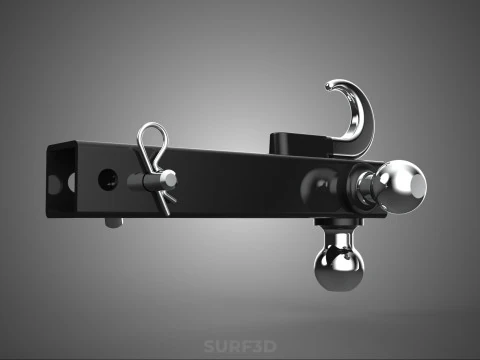
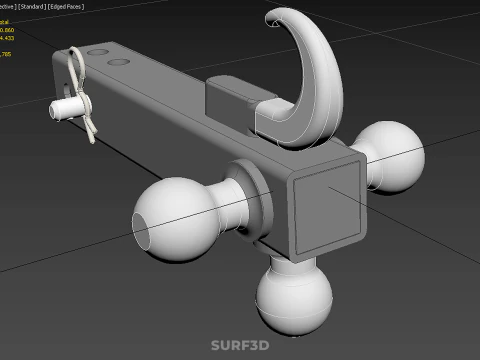
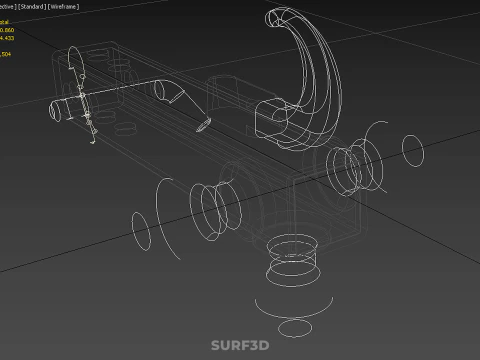
- Request product support by the author


- Available formats:
- Item ID:622467
- Date: 2026-01-12
- Polygons:20860
- Vertices:14433
- Animated:No
- Textured:No
- Rigged:No
- Materials:Yes
- Low-poly:No
- Collection:No
- UVW mapping:No
- Plugins Used:No
- Print Ready:No
- 3D Scan:No
- Adult content:No
- PBR:No
- AI Training:No
- Geometry:Poly NURBS
- Unwrapped UVs:Unknown
- Views:636
Description
High-quality 3D assets at affordable prices — trusted by designers, engineers, and creators worldwide. Made with care to be versatile, accessible, and ready for your pipeline.
Included File Formats
This model is provided in 14 widely supported formats, ensuring maximum compatibility:
• - FBX (.fbx) – Standard format for most 3D software and pipelines
• - OBJ + MTL (.obj, .mtl) – Wavefront format, widely used and compatible
• - STL (.stl) – Exported mesh geometry; may be suitable for 3D printing with adjustments
• - STEP (.step, .stp) – CAD format using NURBS surfaces
• - IGES (.iges, .igs) – Common format for CAD/CAM and engineering workflows (NURBS)
• - SAT (.sat) – ACIS solid model format (NURBS)
• - DAE (.dae) – Collada format for 3D applications and animations
• - glTF (.glb) – Modern, lightweight format for web, AR, and real-time engines
• - 3DS (.3ds) – Legacy format with broad software support
• - 3ds Max (.max) – Provided for 3ds Max users
• - Blender (.blend) – Provided for Blender users
• - SketchUp (.skp) – Compatible with all SketchUp versions
• - AutoCAD (.dwg) – Suitable for technical and architectural workflows
• - Rhino (.3dm) – Provided for Rhino users
Model Info
• - All files are checked and tested for integrity and correct content
• - Geometry uses real-world scale; model resolution varies depending on the product (high or low poly)
• • - Scene setup and mesh structure may vary depending on model complexity
• - Rendered using Luxion KeyShot
• - Affordable price with professional detailing
Buy with confidence. Quality and compatibility guaranteed.
If you have any questions about the file formats, feel free to send us a message — we're happy to assist you!
Sincerely,
SURF3D
Trusted source for professional and affordable 3D models.
More Information About 3D Model :
The assembly of mechanical components designed to connect a motor vehicle (the tow vehicle) to a separate rolling load (the trailer) is collectively known as the **Towing** apparatus or hitch system. This complex system is engineered to transfer motive force, manage static vertical loads (tongue weight), and withstand dynamic forces experienced during deceleration, acceleration, and navigation. The terms **TOW** and **TOWING** refer, respectively, to the towed load itself and the act of hauling that load.
### Core Components and Terminology
The primary interface components are often modularized to permit flexibility in load capacity and height adjustment.
#### 1. The Receiver
The **Receiver** (or Receiver Hitch) is the foundation of the modern towing system. It is a robust structural component permanently affixed to the frame, chassis, or standardized mounting points of the tow vehicle. The receiver features a square or rectangular aperture, often ranging in size from 1.25 inches to 2.5 inches (known as the receiver opening), which defines the hitch class and maximum load capacity. This design allows for the insertion and removal of various accessories and coupling mechanisms, maximizing the vehicle’s utility.
#### 2. The Shank and Drawbar
The **Shank** is the detachable steel bar that inserts directly into the receiver opening. Its primary function is to bridge the gap between the vehicle’s receiver and the coupling point. The shank is secured within the receiver by a transverse locking mechanism, typically a steel **Receiver Pin**.
The term **Drawbar** is often used interchangeably with shank, particularly when referring to a solid, non-adjustable insert. More broadly, the drawbar refers to the rigid structure, either the shank itself or the tongue assembly of the trailer, that experiences the direct pulling force (draw). The specific height, drop, or rise engineered into the shank/drawbar is critical for ensuring the trailer rides level, maintaining optimal vehicle dynamics and weight distribution.
#### 3. The Ball Mount
The **Ball Mount** is the section of the shank designed to support the coupling device. It provides a platform for the **Hitch Ball**, which is a standardized spherical steel component that engages with the trailer’s coupler (the receptacle located at the front of the trailer tongue). Hitch balls are standardized globally by diameter (e.g., 50mm, 1-7/8 inch, 2 inch, or 2-5/16 inch) and are rated for specific Gross Trailer Weights (GTW). The ball mount facilitates free articulation (pitch, roll, and yaw) between the vehicle and the trailer, essential for cornering and traversing uneven terrain.
### Specialized Coupling Mechanisms
#### The Hook Hitch (Pintle System)
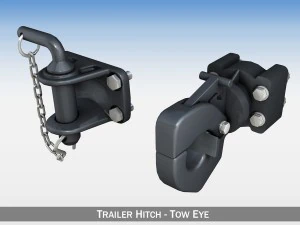
The **HOOK HITCH** generally refers to a Pintle Hook system, an alternative coupling mechanism utilized predominantly for heavy-duty applications, construction equipment, military vehicles, and off-road towing where extremely severe articulation angles are anticipated. Unlike the ball and coupler system, the pintle hook secures a large, rigid ring (the lunette ring) attached to the trailer’s **Drawbar**. The pintle system uses a heavy-duty steel pin (the pintle) or a locking jaw mechanism to secure the ring. Pintle systems are distinguished by their robustness, high weight capacity (often exceeding Class IV ratings), and reduced tendency for load oscillation compared to some standard ball mounts under extreme conditions.
### System Integration and Classification
Towing systems are classified (typically I through V in North America) based on their capacity to handle both GTW and Vertical Load (tongue weight). Proper selection and integration of the Receiver, Shank, Ball Mount, and specific coupling device (Ball or Hook Hitch) are mandatory to ensure that the entire assembly meets or exceeds the necessary capacity for the load being towed, thus preserving safety and compliance with transport regulations. The secure insertion of the shank into the receiver is the physical point of force translation from the tow vehicle’s frame to the load.
KEYWORDS: Trailer, Hitch, Coupling, Receiver, Shank, Drawbar, Towing, Tow vehicle, Pintle, Lunette, Tongue weight, GCWR, GTW, Load bearing, Class I, Class V, Articulation, Ball mount, Safety chain, Coupler, Vehicle dynamics, Frame connection, Ball diameter, Vertical load, Horizontal force, Trailer dynamics, Hauling, Transport, Axle load, Receiver pin, Pintle Hook, Hitch system, Trailer coupling, Tow apparatus, Tow rating.
Need more formats?
If you need a different format, please send us a Conversion Request. We can convert 3D models to: .stl, .c4d, .obj, .fbx, .ma/.mb, .3ds, .3dm, .dxf/.dwg, .max. .blend, .skp, .glb. Free Format ConversionWe do not convert 3d scenes and solid formats such as .step, .iges, .stp, .sldprt etc!
Usage Information
HOOK HITCH BALL MOUNT TRAILER SHANK RECEIVER DRAWBAR TOWING TOW - You can use this royalty-free 3D model for both personal and commercial purposes in accordance with the Basic or Extended License.The Basic License covers most standard use cases, including digital advertisements, design and visualization projects, business social media accounts, native apps, web apps, video games, and physical or digital end products (both free and sold).
The Extended License includes all rights granted under the Basic License, with no usage limitations, and allows the 3D model to be used in unlimited commercial projects under Royalty-Free terms.
Read more
Do you provide Money Back Guarantee?
Yes, we do. If you purchased a product and found some error in the renders or description, we'll try to fix the problem as soon as possible. If we cannot correct the error, we will cancel your order and you will get your money back within 24 hours from downloading the item. Read more conditions hereKeywords