
 Español
 Deutsch
 日本語
日本語 Polska
 Français
 한국의
한국의 Українська
 Italiano
 Nederlands
 Türkçe
 Português
















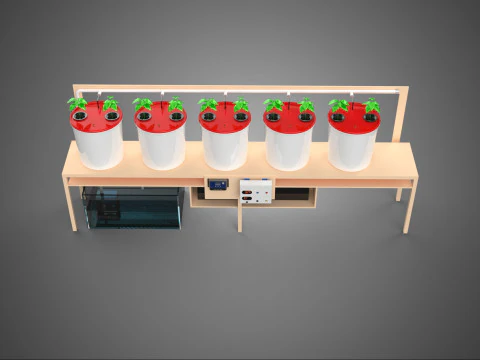
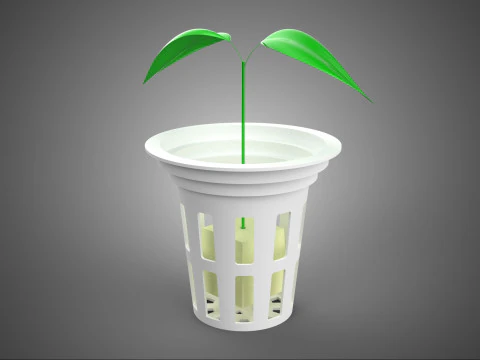
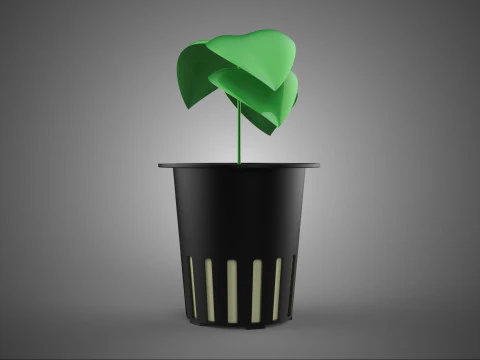
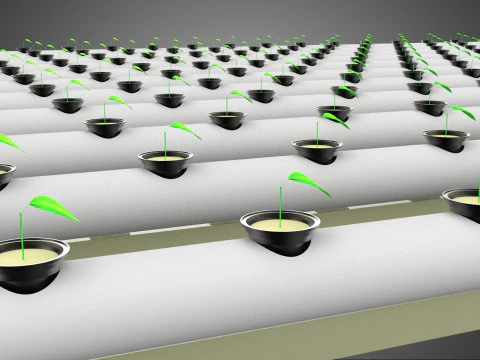
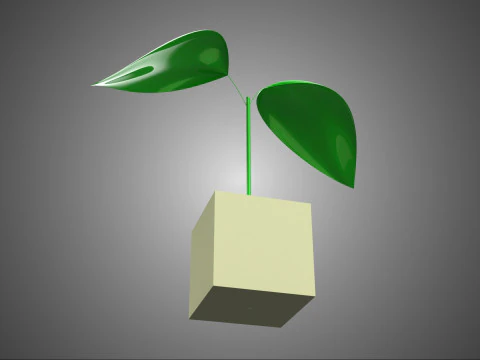
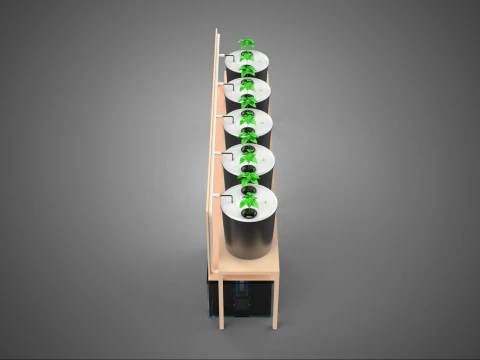
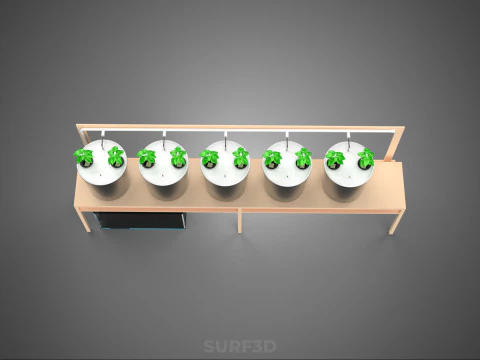
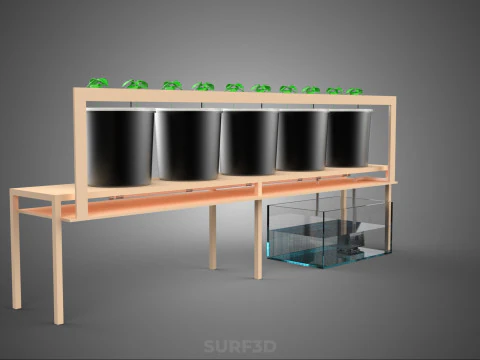
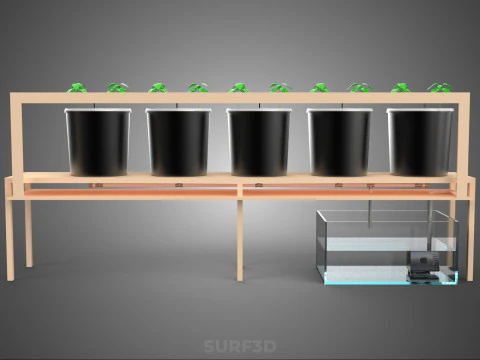
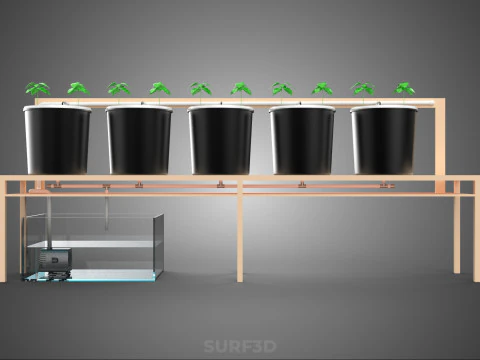
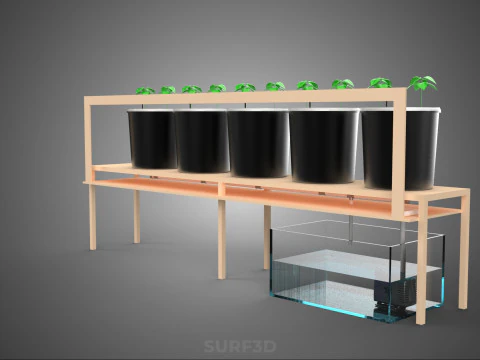
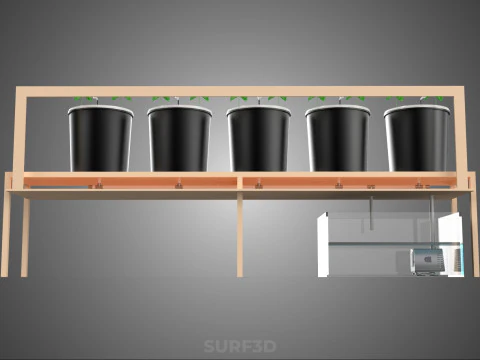
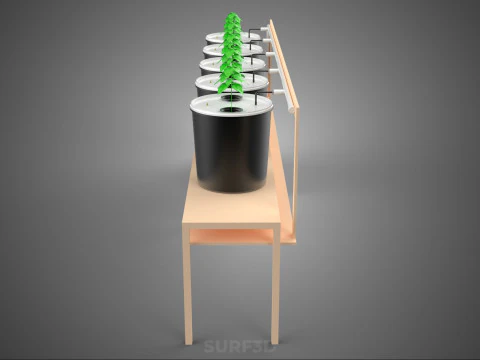
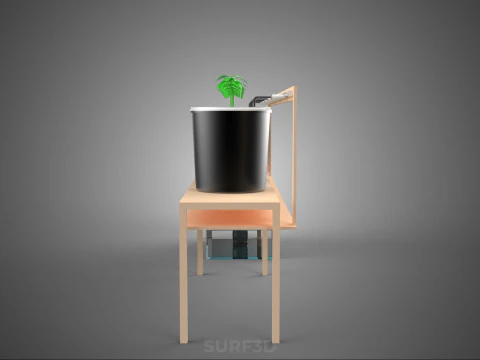
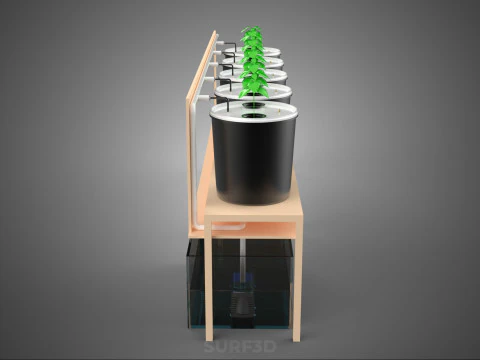
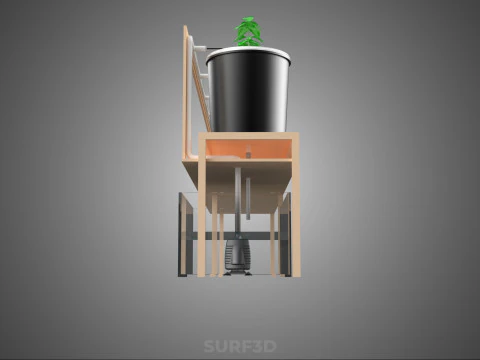
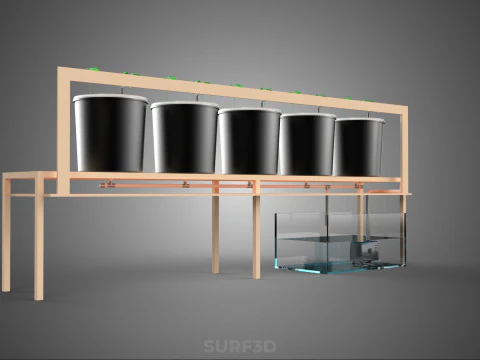
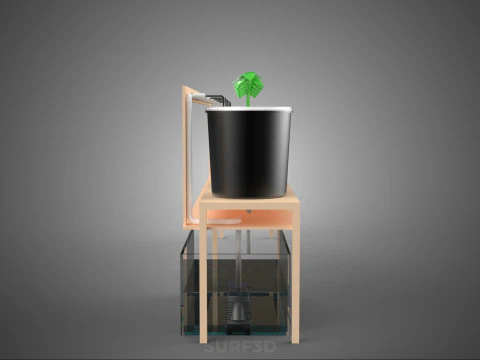
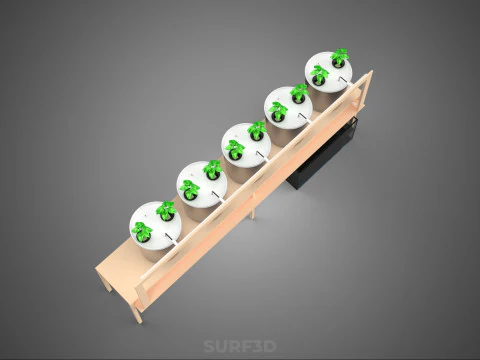
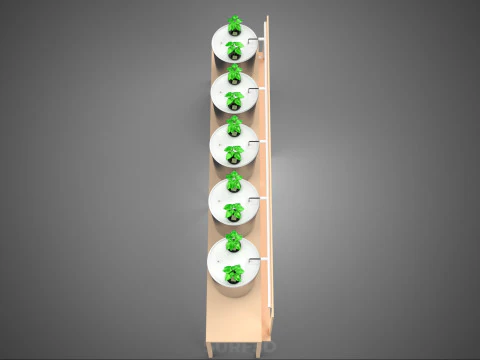
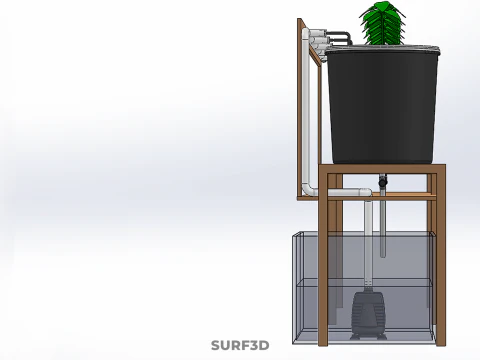
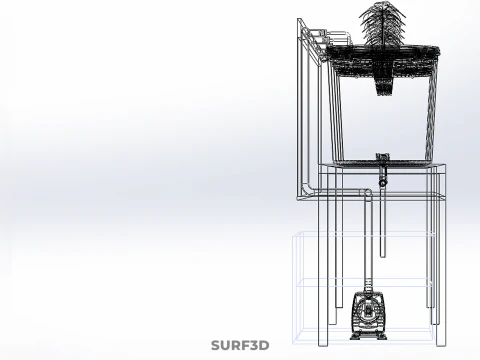
HYDROPONIC GROWTH PLANT FARMING BUCKET DUTCH BATO SYSTEM GARDEN 3D Model











- Request product support by the author


- Available formats:
- Item ID:617328
- Date: 2025-12-11
- Polygons:513207
- Vertices:399085
- Animated:No
- Textured:No
- Rigged:No
- Materials:Yes
- Low-poly:No
- Collection:No
- UVW mapping:No
- Plugins Used:No
- Print Ready:No
- 3D Scan:No
- Adult content:No
- PBR:No
- AI Training:No
- Geometry:Poly NURBS
- Unwrapped UVs:Unknown
- Views:609
Description
High-quality 3D assets at affordable prices — trusted by designers, engineers, and creators worldwide. Made with care to be versatile, accessible, and ready for your pipeline.
Included File Formats
This model is provided in 14 widely supported formats, ensuring maximum compatibility:
• - FBX (.fbx) – Standard format for most 3D software and pipelines
• - OBJ + MTL (.obj, .mtl) – Wavefront format, widely used and compatible
• - STL (.stl) – Exported mesh geometry; may be suitable for 3D printing with adjustments
• - STEP (.step, .stp) – CAD format using NURBS surfaces
• - IGES (.iges, .igs) – Common format for CAD/CAM and engineering workflows (NURBS)
• - SAT (.sat) – ACIS solid model format (NURBS)
• - DAE (.dae) – Collada format for 3D applications and animations
• - glTF (.glb) – Modern, lightweight format for web, AR, and real-time engines
• - 3DS (.3ds) – Legacy format with broad software support
• - 3ds Max (.max) – Provided for 3ds Max users
• - Blender (.blend) – Provided for Blender users
• - SketchUp (.skp) – Compatible with all SketchUp versions
• - AutoCAD (.dwg) – Suitable for technical and architectural workflows
• - Rhino (.3dm) – Provided for Rhino users
Model Info
• - All files are checked and tested for integrity and correct content
• - Geometry uses real-world scale; model resolution varies depending on the product (high or low poly)
• • - Scene setup and mesh structure may vary depending on model complexity
• - Rendered using Luxion KeyShot
• - Affordable price with professional detailing
Buy with confidence. Quality and compatibility guaranteed.
If you have any questions about the file formats, feel free to send us a message — we're happy to assist you!
Sincerely,
SURF3D
Trusted source for professional and affordable 3D models.
More Information About 3D Model :
The Dutch Bato Bucket System, often termed the "Bato System" or simply a "Bato Bucket" farm, represents a specialized, highly scalable method of recirculating hydroponics primarily utilized for cultivating large, fruiting vegetable crops. This system is distinguished by its use of individual, modular containers (buckets) that receive nutrient solution via top-feeding drip emitters and drain excess effluent back into a central reservoir for recycling.
### Definition and Nomenclature
The "Dutch Bato System" nomenclature derives from its popularization and extensive application within the highly advanced greenhouse agricultural sector of the Netherlands. The term "Bato" often refers generically to the specific type of plastic container or drainage methodology utilized, designed to manage localized root environments effectively.
Functionally, the system operates as a modified version of substrate culture combined with a drain-to-waste or recirculating drip irrigation setup. Each plant is housed within an individual container, typically holding 10 to 12 liters of an inert growing medium.
### System Components and Operation
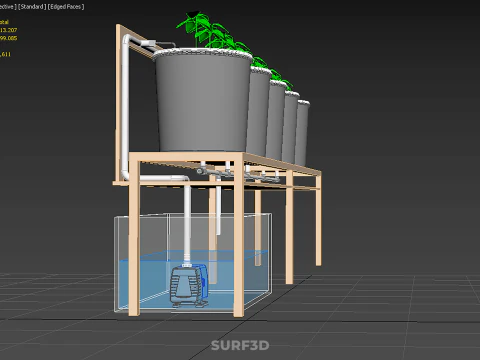
The Bato System is characterized by three primary components working in concert: the bucket module, the drip irrigation line, and the recirculating drain channel.
#### 1. The Bucket Module
The Bato bucket itself is typically constructed from opaque, food-grade plastic to prevent light ***********, thereby inhibiting algal growth within the substrate and nutrient solution. Unlike conventional pots, Bato buckets are designed with a specific drainage mechanism positioned near the base. This mechanism, often an elbow or siphon fitting (sometimes called a "Bato fitting"), maintains a shallow nutrient reservoir at the bottom of the bucket (typically 2-3 cm deep).
This small standing reservoir ensures that the inert substrate—commonly perlite, coco coir, or rockwool—remains hydrated, providing capillary action for consistent moisture uptake, while simultaneously preventing the entire root zone from becoming saturated.
#### 2. Nutrient Delivery (Fertigation)
Nutrient delivery occurs via timed drip irrigation (fertigation). A specialized, calibrated nutrient solution is pumped from a central reservoir through feeder lines to individual drip emitters positioned at the base of each plant. The duration and frequency of these feeding cycles are meticulously controlled based on crop stage, ambient light levels (Daily Light Integral or DLI), temperature, and measured evapotranspiration rates.
#### 3. Drainage and Recirculation
The defining feature of the Bato system is its efficient drainage. When the drippers run, the nutrient solution percolates through the growing medium, providing hydration and delivering essential minerals to the root zone. Excess solution accumulates at the base and flows out through the elbow fitting.
These drainage fittings typically extend horizontally and connect the effluent directly into a shared, sloped catchment trough or channel beneath the buckets. The nutrient solution (runoff) then flows by gravity back to the main reservoir for sanitization, pH adjustment, electrical conductivity (EC) monitoring, and subsequent reuse, maximizing water and fertilizer efficiency.
### Agricultural Advantages
The Bato bucket configuration offers several distinct advantages over other hydroponic techniques, particularly for long-term, high-yield commercial operations:
1. **Root Zone Aeration:** The controlled drainage facilitated by the elbow fitting ensures that the bulk of the root mass is exposed to air, promoting high levels of oxygenation, which is crucial for nutrient uptake and preventing root diseases such as *Pythium* (root rot).
2. **Disease Isolation:** Because each plant is housed in an independent container, localized disease outbreaks or pests are isolated, preventing rapid, systemic transmission throughout the entire farm, a significant risk in shared reservoir systems like Deep Water Culture (DWC) or Nutrient Film Technique (NFT).
3. **Support for Large Crops:** The volume of the substrate bucket provides physical stability and ample root volume necessary to support large crops like greenhouse tomatoes, bell peppers, eggplant, and cucumbers, which require months of continuous growth and significant structural support.
4. **Flexibility in Substrate:** The system is adaptable to various inert growing media, allowing growers to optimize the water retention and aeration properties based on climate and crop requirements.
The Dutch Bato System remains a benchmark technique in high-tech controlled environment agriculture (CEA) due to its combination of precise nutrient management, robust disease control, and suitability for high-value, vine-based crops.
KEYWORDS: Hydroponics, Bato Bucket, Dutch System, Recirculating Hydroponics, Soilless Culture, Substrate Culture, Fertigation, Drip Irrigation, Controlled Environment Agriculture, CEA, Greenhouse Farming, Tomato Cultivation, Cucumber Farming, Bell Pepper, Inert Medium, Perlite, Coco Coir, Rockwool, Root Zone Aeration, Modular System, Drainage Fitting, Effluent Recycling, Nutrient Solution, Electrical Conductivity, pH Control, Plant Farming, Commercial Agriculture, High-Yield Farming, Siphon Drain.
Need more formats?
If you need a different format, please send us a Conversion Request. We can convert 3D models to: .stl, .c4d, .obj, .fbx, .ma/.mb, .3ds, .3dm, .dxf/.dwg, .max. .blend, .skp, .glb. Free Format ConversionWe do not convert 3d scenes and solid formats such as .step, .iges, .stp, .sldprt etc!
Usage Information
HYDROPONIC GROWTH PLANT FARMING BUCKET DUTCH BATO SYSTEM GARDEN - You can use this royalty-free 3D model for both personal and commercial purposes in accordance with the Basic or Extended License.The Basic License covers most standard use cases, including digital advertisements, design and visualization projects, business social media accounts, native apps, web apps, video games, and physical or digital end products (both free and sold).
The Extended License includes all rights granted under the Basic License, with no usage limitations, and allows the 3D model to be used in unlimited commercial projects under Royalty-Free terms.
Read more
Do you provide Money Back Guarantee?
Yes, we do. If you purchased a product and found some error in the renders or description, we'll try to fix the problem as soon as possible. If we cannot correct the error, we will cancel your order and you will get your money back within 24 hours from downloading the item. Read more conditions hereKeywords