
 Español
 Deutsch
 日本語
日本語 Français
 한국의
한국의 Italiano
 Nederlands
 Türkçe
 Português
















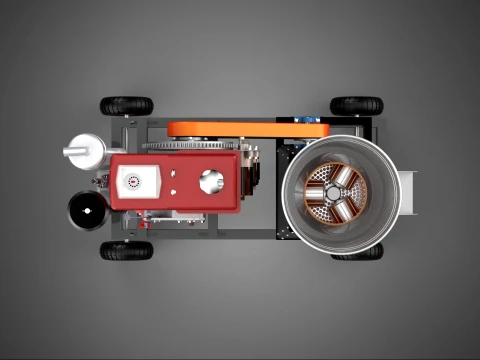
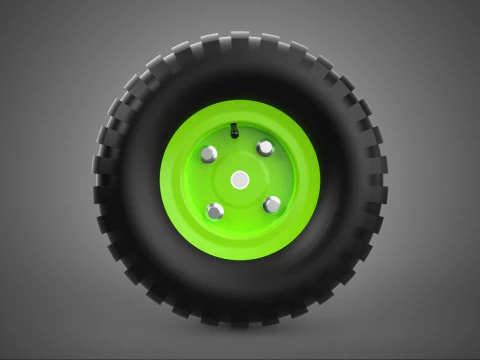
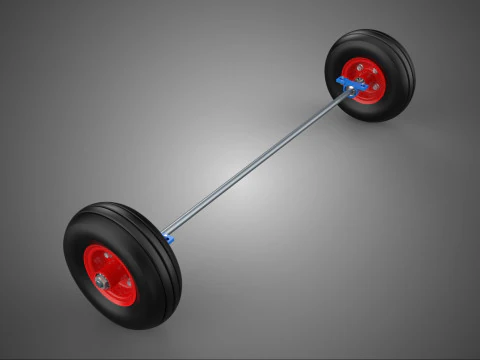
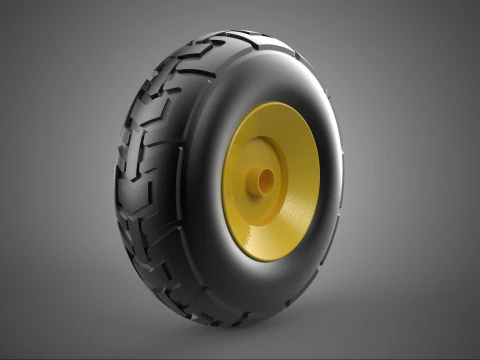
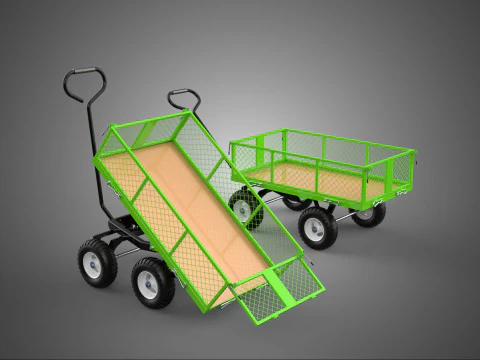
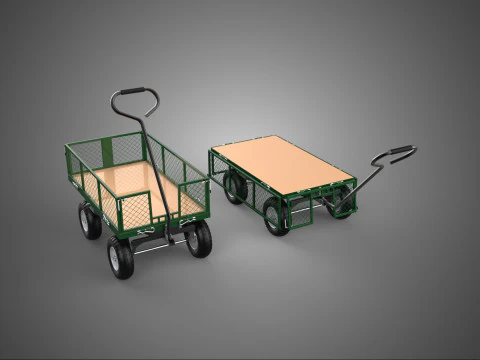
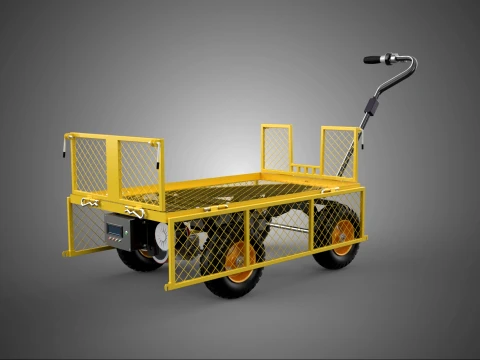
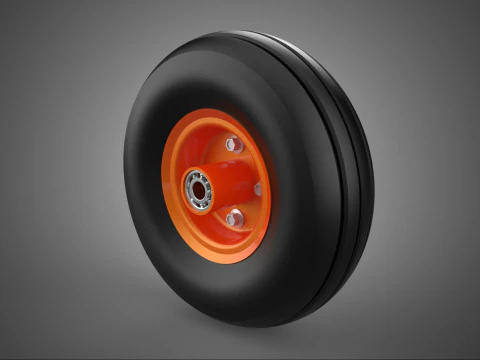
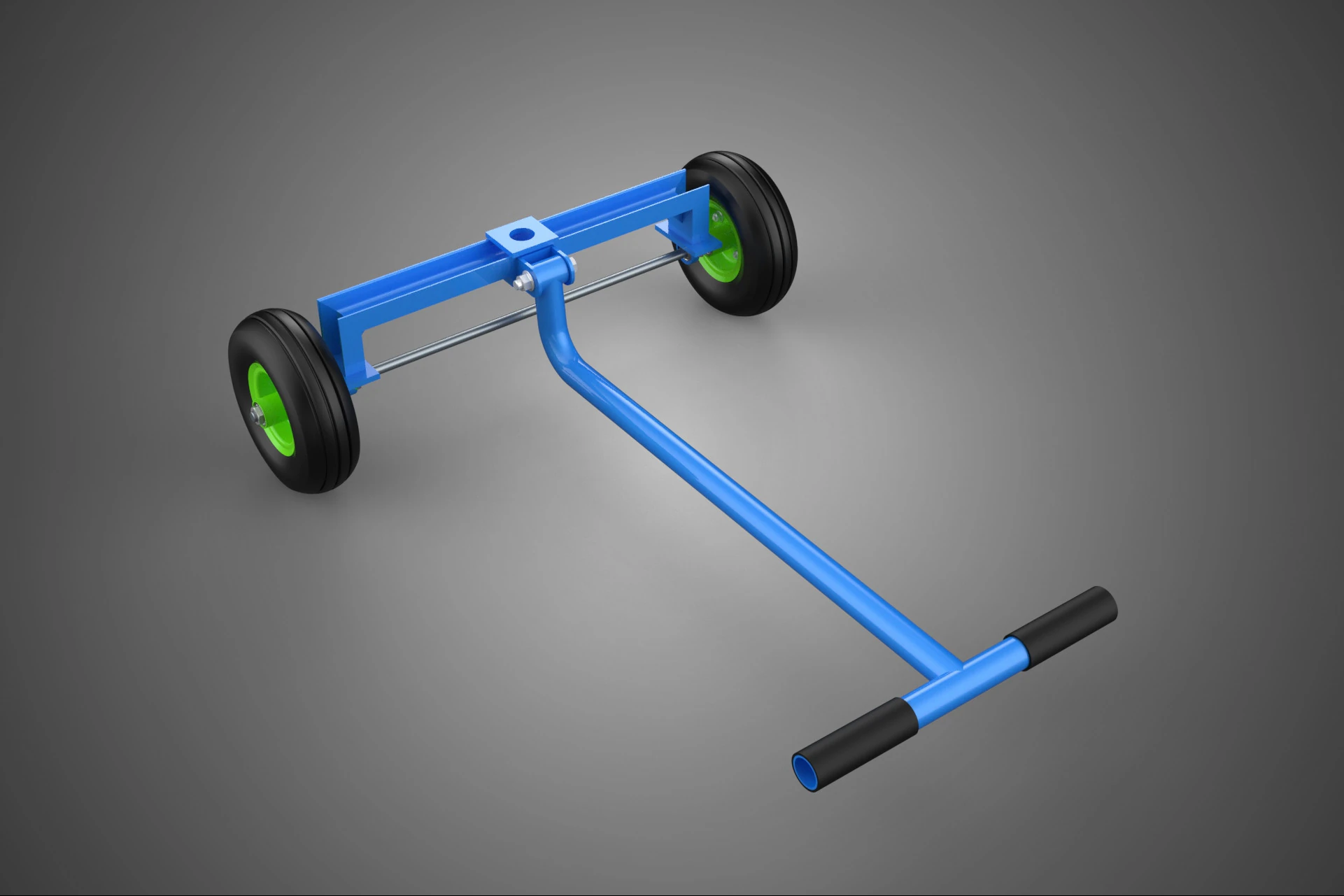
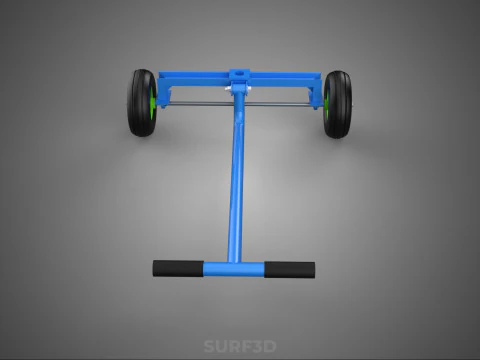
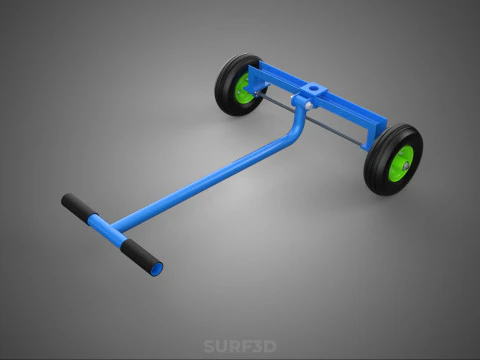
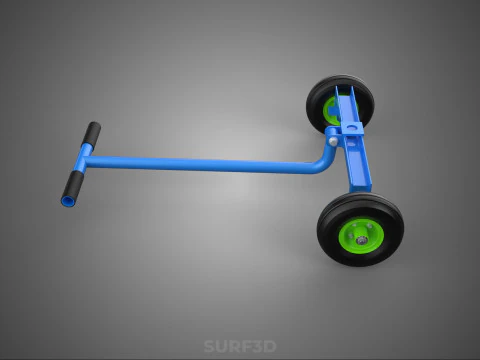
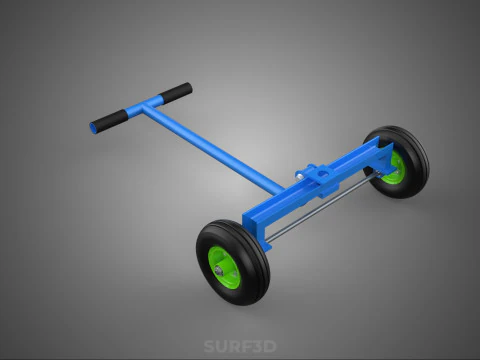
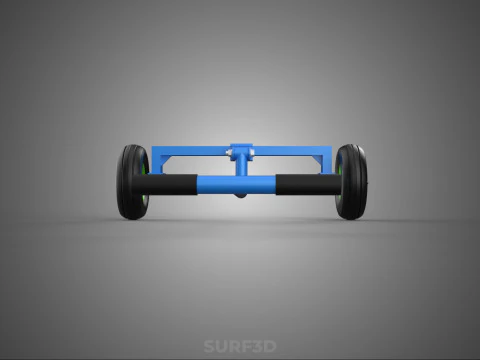
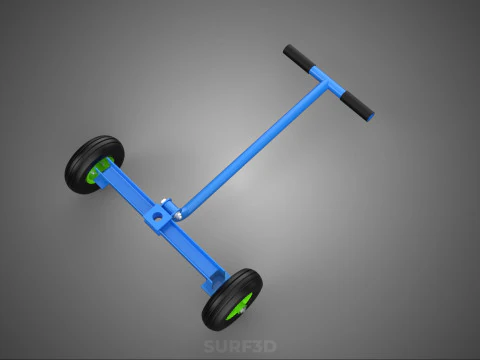
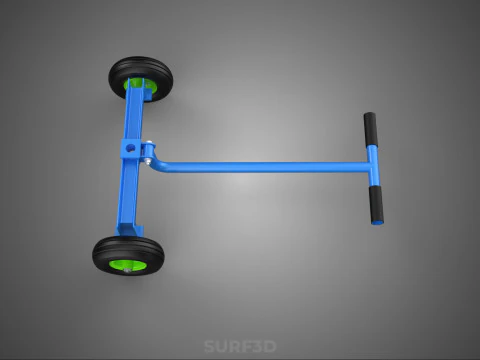
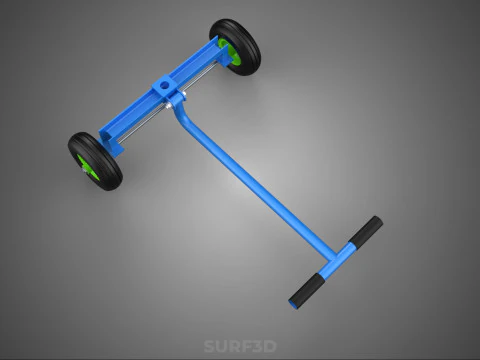
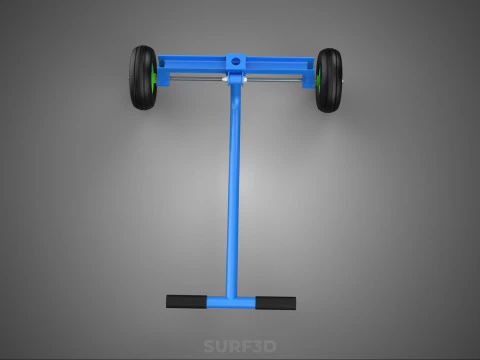
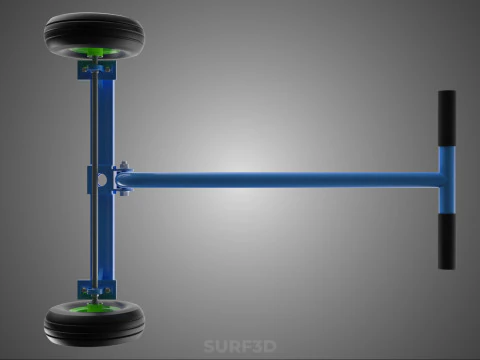
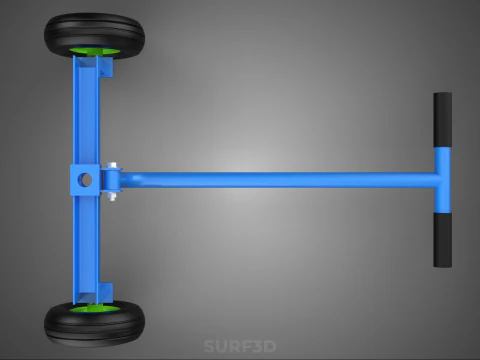
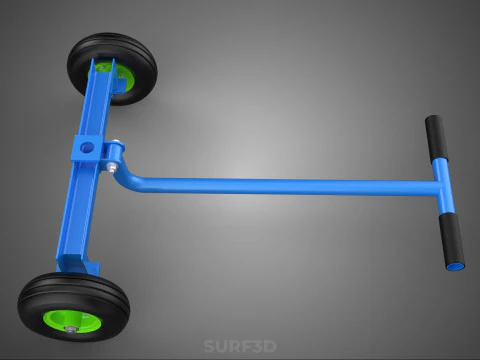
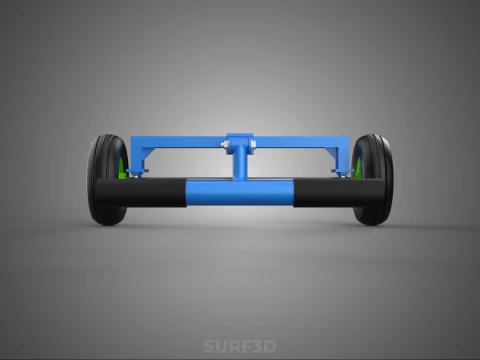
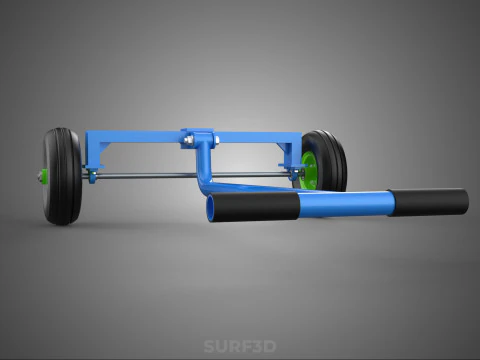
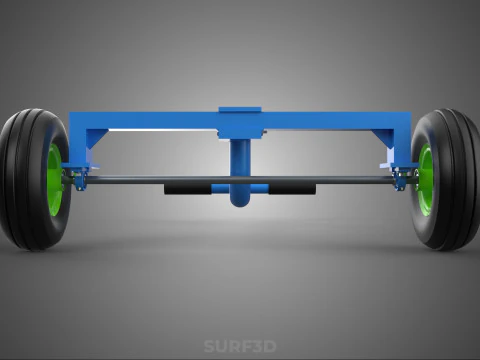
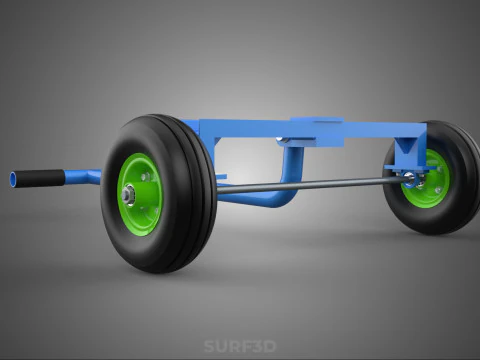
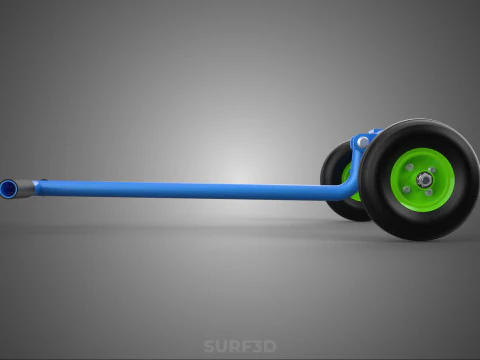
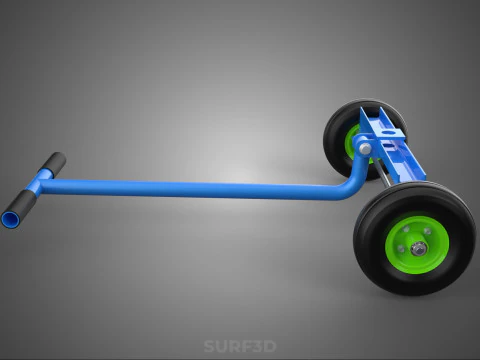
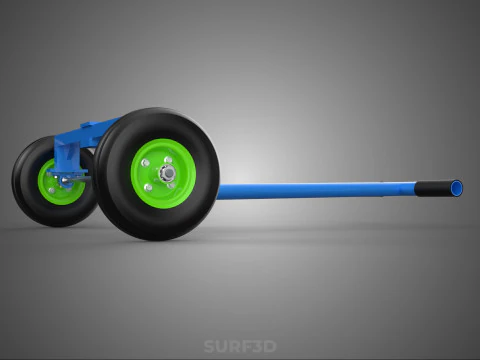
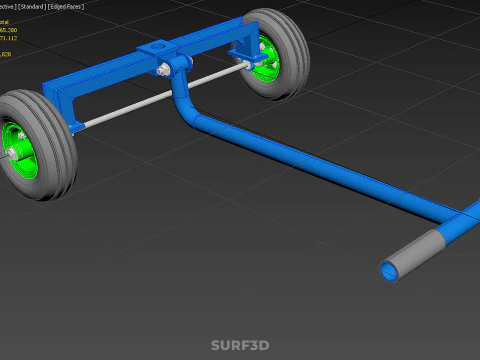
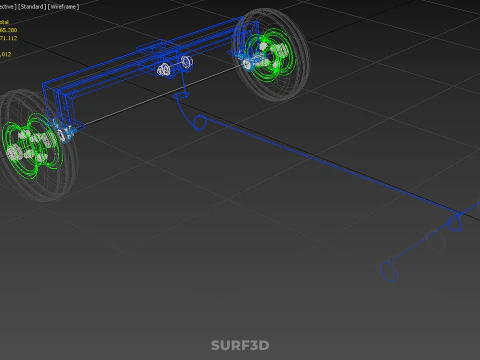
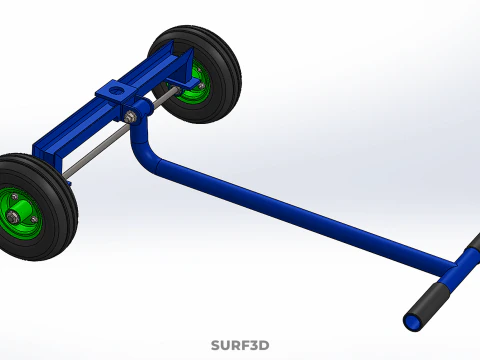
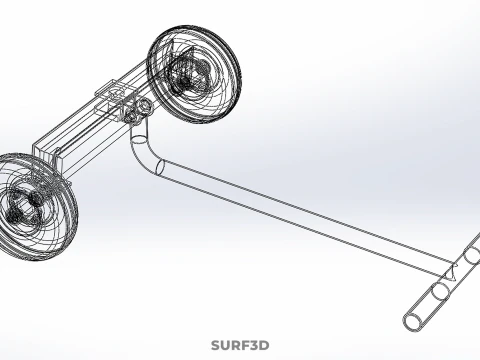
STEERING HANDLE LEVER RANGE CONTROL AXLE WHEEL TIRE CART TROLLEY 3D Model

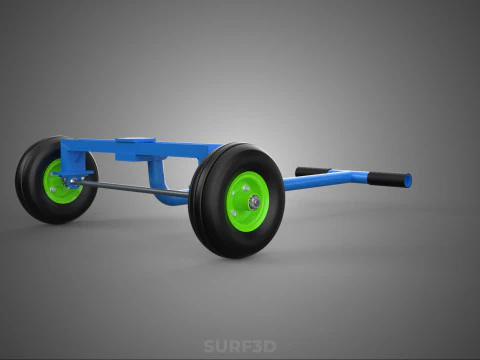
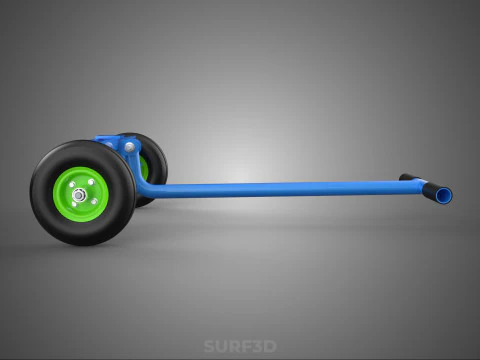
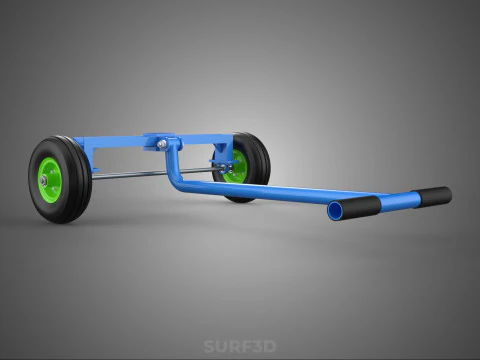
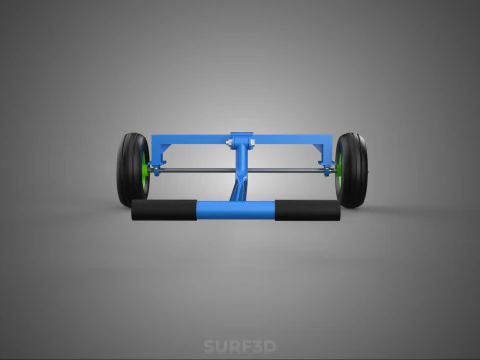
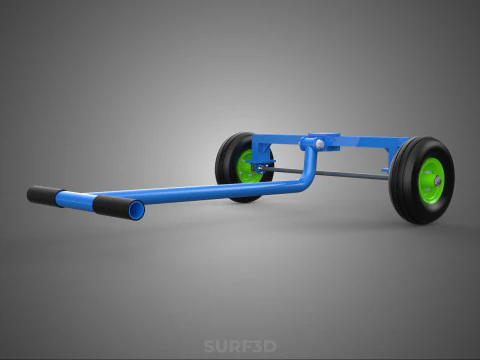
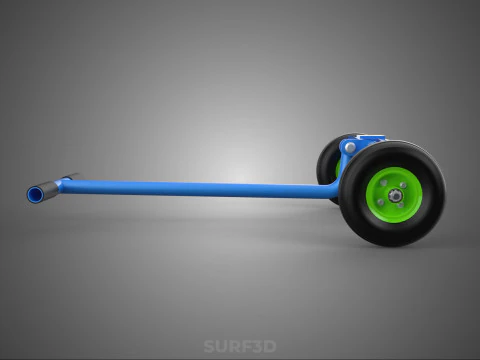

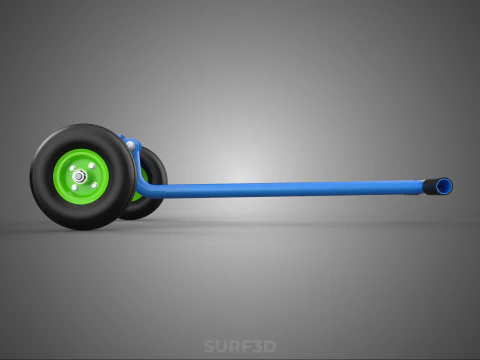
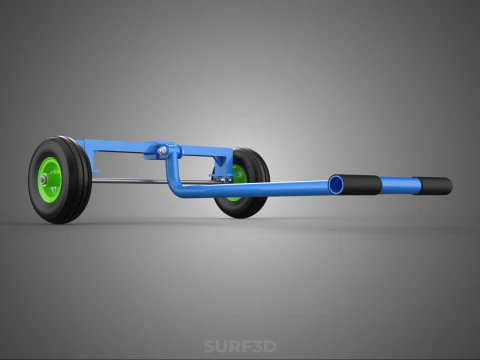
- Request product support by the author


- Available formats:
- Item ID:622458
- Date: 2026-01-11
- Polygons:265280
- Vertices:171112
- Animated:No
- Textured:No
- Rigged:No
- Materials:Yes
- Low-poly:No
- Collection:No
- UVW mapping:No
- Plugins Used:No
- Print Ready:No
- 3D Scan:No
- Adult content:No
- PBR:No
- AI Training:No
- Geometry:Poly NURBS
- Unwrapped UVs:Unknown
- Views:628
Description
High-quality 3D assets at affordable prices — trusted by designers, engineers, and creators worldwide. Made with care to be versatile, accessible, and ready for your pipeline.
Included File Formats
This model is provided in 14 widely supported formats, ensuring maximum compatibility:
• - FBX (.fbx) – Standard format for most 3D software and pipelines
• - OBJ + MTL (.obj, .mtl) – Wavefront format, widely used and compatible
• - STL (.stl) – Exported mesh geometry; may be suitable for 3D printing with adjustments
• - STEP (.step, .stp) – CAD format using NURBS surfaces
• - IGES (.iges, .igs) – Common format for CAD/CAM and engineering workflows (NURBS)
• - SAT (.sat) – ACIS solid model format (NURBS)
• - DAE (.dae) – Collada format for 3D applications and animations
• - glTF (.glb) – Modern, lightweight format for web, AR, and real-time engines
• - 3DS (.3ds) – Legacy format with broad software support
• - 3ds Max (.max) – Provided for 3ds Max users
• - Blender (.blend) – Provided for Blender users
• - SketchUp (.skp) – Compatible with all SketchUp versions
• - AutoCAD (.dwg) – Suitable for technical and architectural workflows
• - Rhino (.3dm) – Provided for Rhino users
Model Info
• - All files are checked and tested for integrity and correct content
• - Geometry uses real-world scale; model resolution varies depending on the product (high or low poly)
• • - Scene setup and mesh structure may vary depending on model complexity
• - Rendered using Luxion KeyShot
• - Affordable price with professional detailing
Buy with confidence. Quality and compatibility guaranteed.
If you have any questions about the file formats, feel free to send us a message — we're happy to assist you!
Sincerely,
SURF3D
Trusted source for professional and affordable 3D models.
More Information About 3D Model :
**Material Handling Systems: Component and Control Nomenclature**
The ensemble of terms—STEERING HANDLE, LEVER, RANGE CONTROL, AXLE, WHEEL, TIRE, CART, and TROLLEY—collectively defines the essential components and operational interfaces of unpowered or low-powered mobile platforms utilized for the transport and manipulation of goods, commonly categorized as utility carts or material handling trolleys. These devices serve as crucial intermediaries in logistics, warehousing, industrial environments, and retail operations, optimizing the manual movement of loads that exceed the capacity of human carrying ability.
### Structural Basis (CART and TROLLEY)
A **CART** or **TROLLEY** refers to the main chassis and load-bearing platform. While often used interchangeably, a *trolley* frequently implies a device designed for stable, multi-directional movement (often with four or more wheels, two fixed and two swivel casters), whereas a *cart* might denote a simpler two-wheeled or three-wheeled device requiring constant human balancing or manipulation of tilt for movement. The chassis material is typically steel, aluminum, or durable structural polymers, designed to withstand designated static and dynamic load capacities.
### Locomotion and Load Bearing (AXLE, WHEEL, TIRE)
The core mechanism of mobility relies on the **AXLE** and **WHEEL** assembly. The axle transmits the vertical load from the cart chassis to the wheels and facilitates rotation. Depending on the design, axles may be fixed (rigidly connecting two wheels) or independent (used for swivel casters).
The **WHEEL** provides the rolling interface. Wheel material selection is critical, dictated by factors such such as floor type, noise reduction requirements, and load rating. The **TIRE** (or tread) is the outermost layer, designed to provide traction, shock absorption, and minimize wear on the wheel or flooring. Tires can be solid rubber (high durability, low maintenance), pneumatic (superior shock absorption, suitable for uneven terrain), or semi-pneumatic.
### Human-Machine Interface (STEERING HANDLE and LEVER)
The **STEERING HANDLE** is the primary ergonomic input device through which the human operator applies motive force (pushing or pulling) and dictates directionality. Handles are designed to minimize operator strain, often incorporating ergonomic grips and adjustable height features. In complex systems, the handle mechanism may be mechanically linked to directional wheels, allowing for precise steering control via articulation.
A **LEVER** usually denotes a secondary control mechanism. Common lever functions include activating braking mechanisms (locking the wheels or applying friction), engaging a steering lock to convert swivel casters into fixed wheels, or initiating tilt/dump actions in specialized carts.
### Operational Regulation (RANGE CONTROL)
**RANGE CONTROL** mechanisms encompass systems designed to modulate or limit the operational parameters of the cart, enhancing safety and maneuverability. In non-motorized systems, range control typically relates to the physical limits of motion, such as:
1. **Steering Angle Limiters:** Mechanical stops that prevent wheels from rotating past a predetermined angle, preventing instability or frame damage.
2. **Braking Governors:** Mechanisms that regulate descent speed on inclines.
3. **Handle Adjustment:** Limiting the range of handle articulation or telescoping height to match operator preference or storage requirements.
The careful integration of these components ensures efficient, safe, and stable transport of materials across various operational environments.
KEYWORDS: Material Handling, Logistics, Utility Cart, Trolley, Caster, Ergonomics, Load Capacity, Wheel Assembly, Axle Geometry, Directional Control, Steering Mechanism, Brake System, Pneumatic Tire, Solid Rubber, Chassis, Platform, Lever Actuation, Mobility Device, Industrial Equipment, Warehouse Operations, Range Limitation, Mechanical Interface, Articulation, Traction, Force Transmission, Dynamic Load, Swivel Caster, Transport Vehicle, Push Cart, Component Integration.
Need more formats?
If you need a different format, please send us a Conversion Request. We can convert 3D models to: .stl, .c4d, .obj, .fbx, .ma/.mb, .3ds, .3dm, .dxf/.dwg, .max. .blend, .skp, .glb. Free Format ConversionWe do not convert 3d scenes and solid formats such as .step, .iges, .stp, .sldprt etc!
Usage Information
STEERING HANDLE LEVER RANGE CONTROL AXLE WHEEL TIRE CART TROLLEY - You can use this royalty-free 3D model for both personal and commercial purposes in accordance with the Basic or Extended License.The Basic License covers most standard use cases, including digital advertisements, design and visualization projects, business social media accounts, native apps, web apps, video games, and physical or digital end products (both free and sold).
The Extended License includes all rights granted under the Basic License, with no usage limitations, and allows the 3D model to be used in unlimited commercial projects under Royalty-Free terms.
Read more
Do you provide Money Back Guarantee?
Yes, we do. If you purchased a product and found some error in the renders or description, we'll try to fix the problem as soon as possible. If we cannot correct the error, we will cancel your order and you will get your money back within 24 hours from downloading the item. Read more conditions hereKeywords