
 Español
 Deutsch
 日本語
日本語 Polska
 Français
 한국의
한국의 Українська
 Italiano
 Nederlands
 Türkçe
 Português
















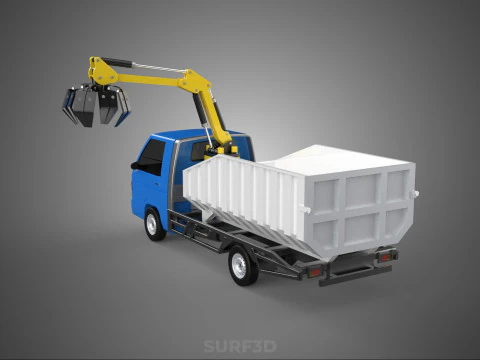
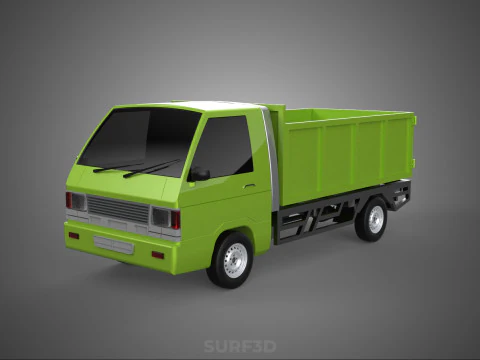
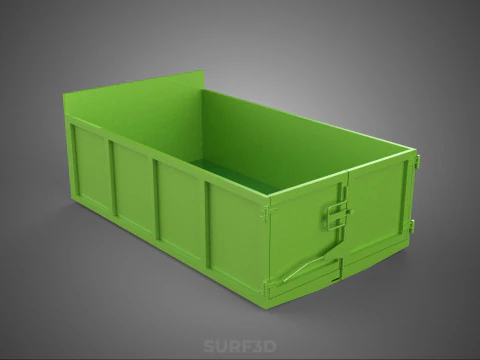
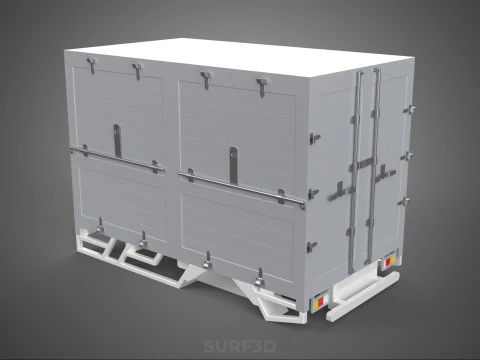
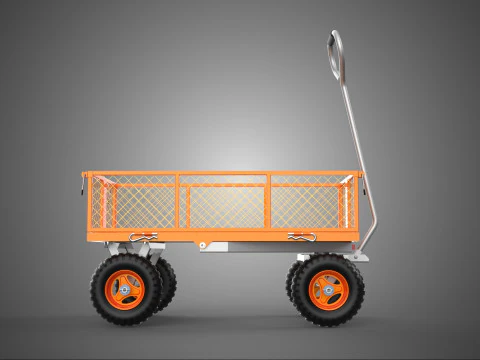
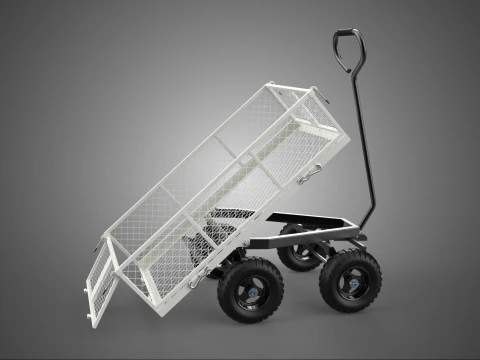
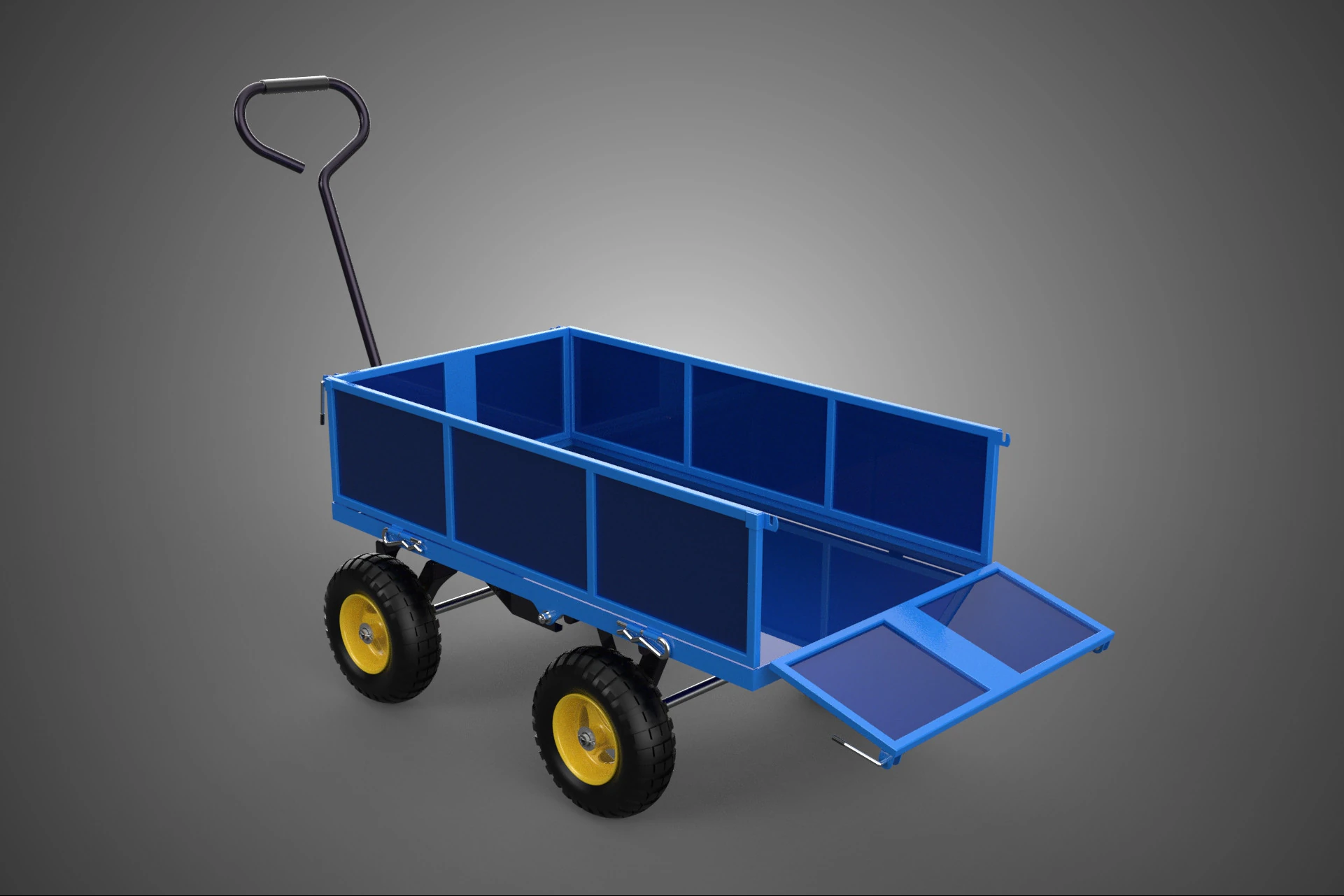
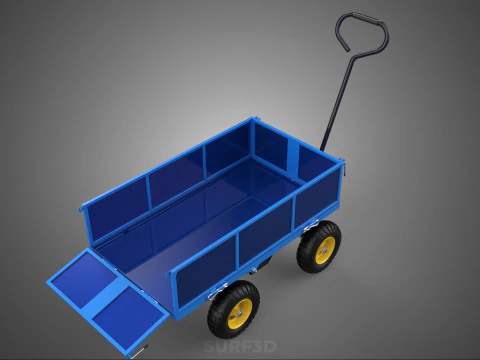
GARBAGE RUBBISH TRASH TRAILER CART WAGON WHEELBARROW BIN TRUCK 4 3D Model

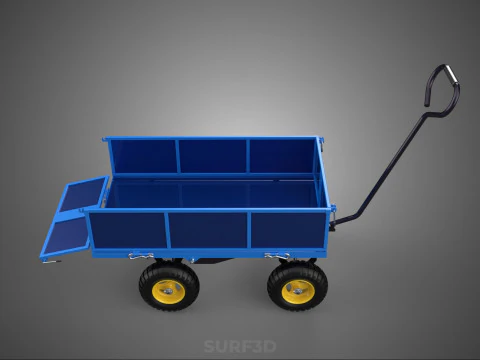
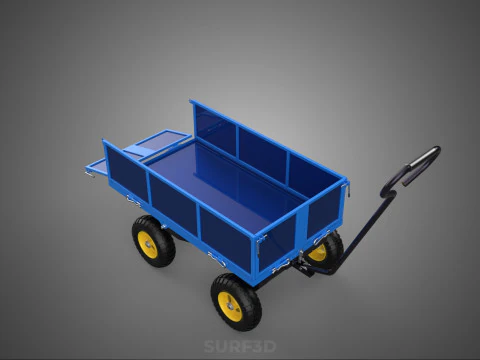

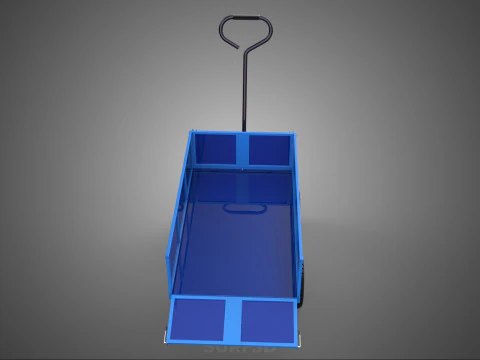
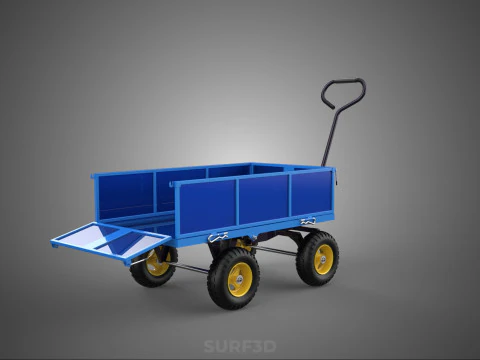
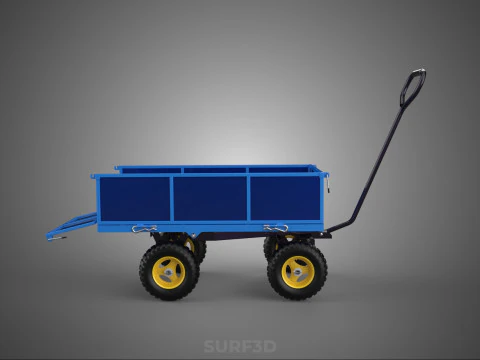
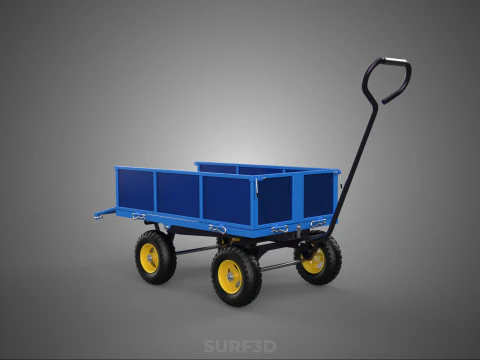
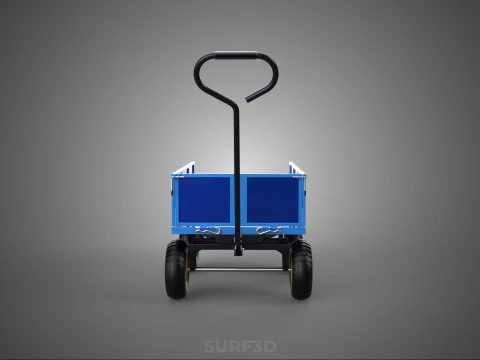
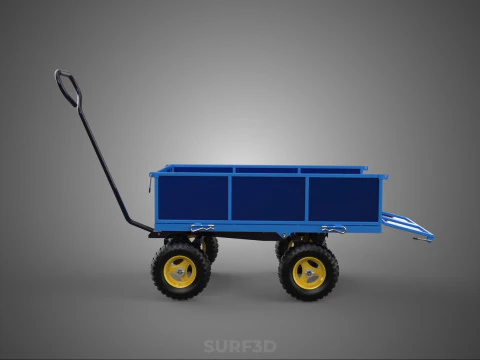
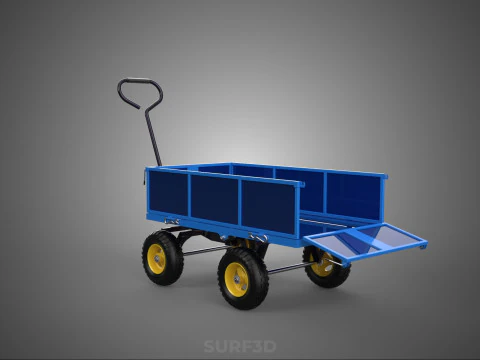
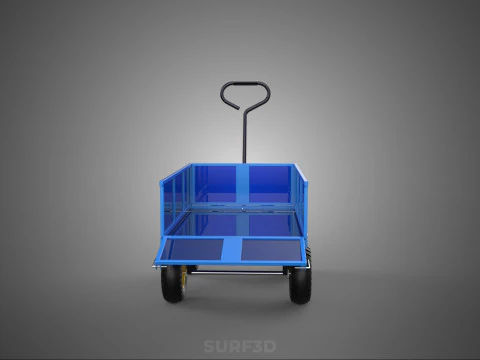
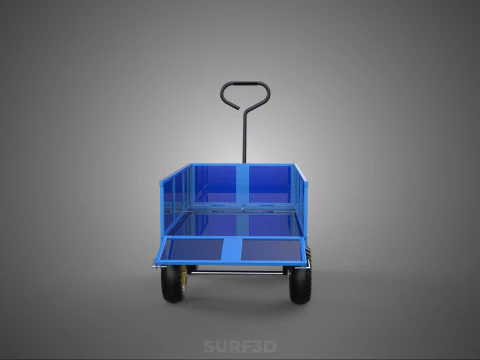
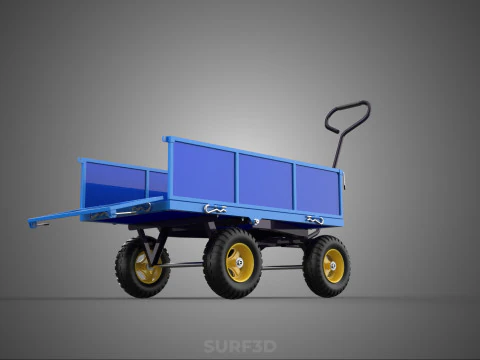


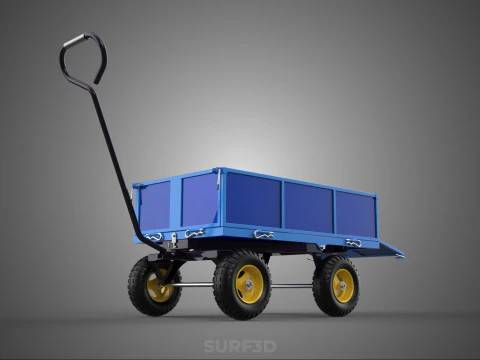
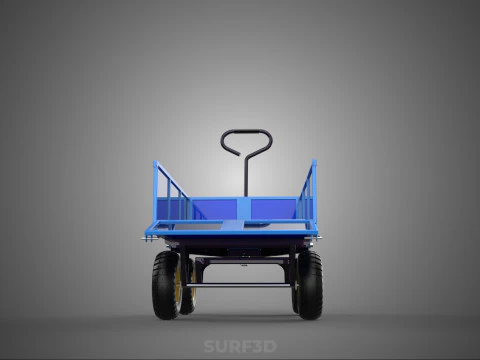
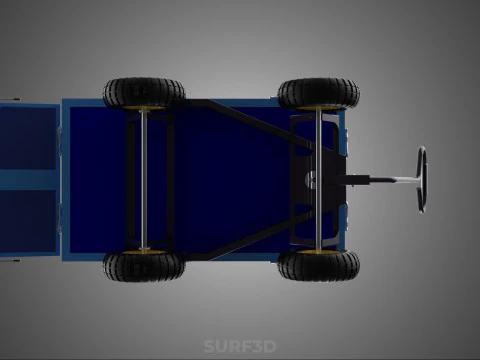
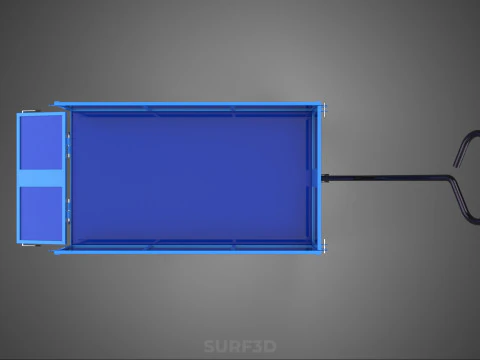
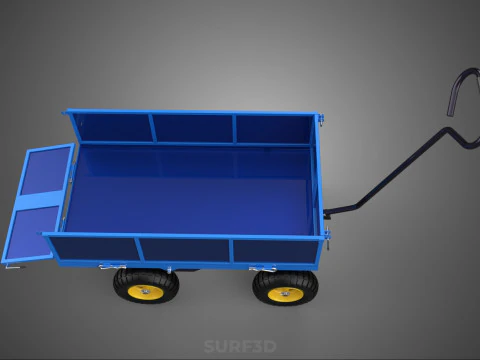
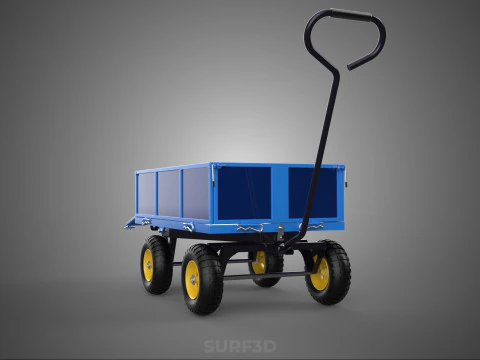
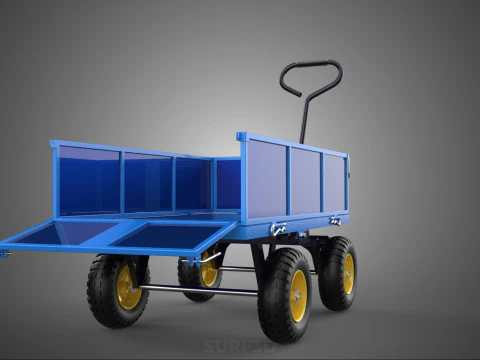
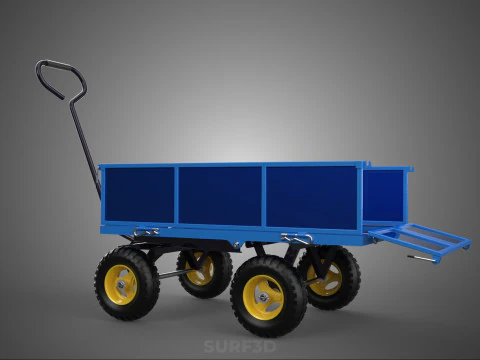
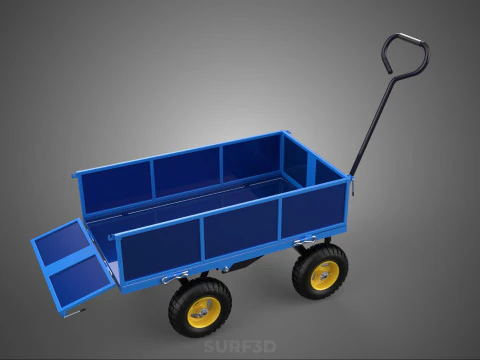
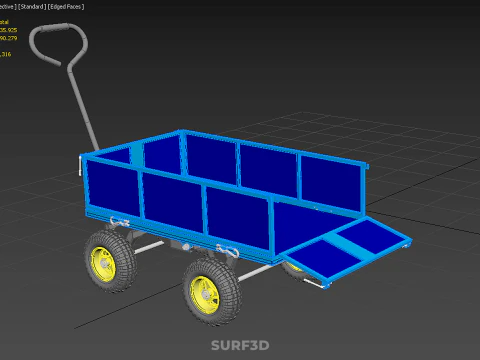
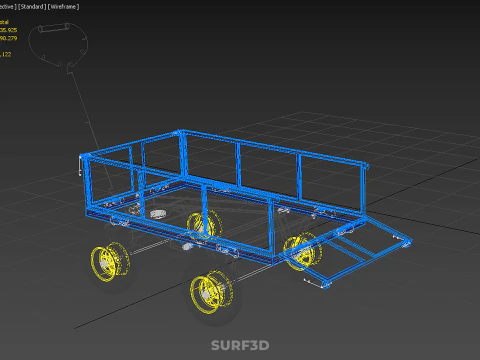
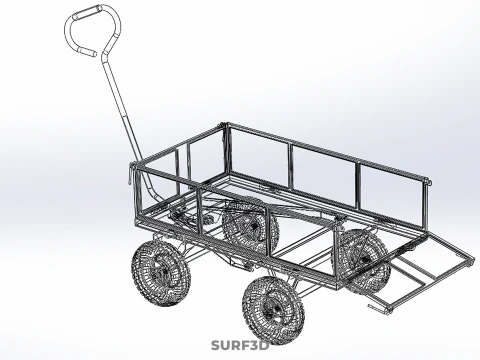
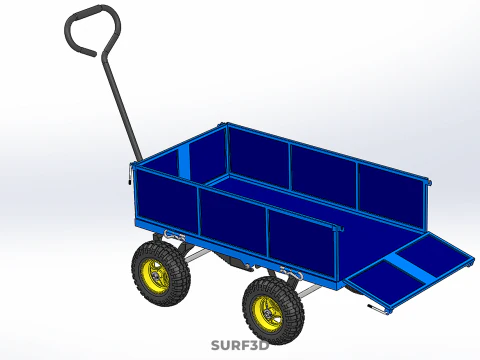
- Request product support by the author


- Available formats:
- Item ID:629276
- Date: 2026-02-19
- Polygons:235925
- Vertices:190279
- Animated:No
- Textured:No
- Rigged:No
- Materials:Yes
- Low-poly:No
- Collection:No
- UVW mapping:No
- Plugins Used:No
- Print Ready:No
- 3D Scan:No
- Adult content:No
- PBR:No
- AI Training:No
- Geometry:Poly NURBS
- Unwrapped UVs:Unknown
- Views:584
Description
High-quality 3D assets at affordable prices — trusted by designers, engineers, and creators worldwide. Made with care to be versatile, accessible, and ready for your pipeline.
Included File Formats
This model is provided in 14 widely supported formats, ensuring maximum compatibility:
• - FBX (.fbx) – Standard format for most 3D software and pipelines
• - OBJ + MTL (.obj, .mtl) – Wavefront format, widely used and compatible
• - STL (.stl) – Exported mesh geometry; may be suitable for 3D printing with adjustments
• - STEP (.step, .stp) – CAD format using NURBS surfaces
• - IGES (.iges, .igs) – Common format for CAD/CAM and engineering workflows (NURBS)
• - SAT (.sat) – ACIS solid model format (NURBS)
• - DAE (.dae) – Collada format for 3D applications and animations
• - glTF (.glb) – Modern, lightweight format for web, AR, and real-time engines
• - 3DS (.3ds) – Legacy format with broad software support
• - 3ds Max (.max) – Provided for 3ds Max users
• - Blender (.blend) – Provided for Blender users
• - SketchUp (.skp) – Compatible with all SketchUp versions
• - AutoCAD (.dwg) – Suitable for technical and architectural workflows
• - Rhino (.3dm) – Provided for Rhino users
Model Info
• - All files are checked and tested for integrity and correct content
• - Geometry uses real-world scale; model resolution varies depending on the product (high or low poly)
• • - Scene setup and mesh structure may vary depending on model complexity
• - Rendered using Luxion KeyShot
• - Affordable price with professional detailing
Buy with confidence. Quality and compatibility guaranteed.
If you have any questions about the file formats, feel free to send us a message — we're happy to assist you!
Sincerely,
SURF3D
Trusted source for professional and affordable 3D models.
More Information About 3D Model :
**GARBAGE RUBBISH TRASH TRAILER CART WAGON WHEELBARROW BIN TRUCK 4**
The collective designation "GARBAGE RUBBISH TRASH TRAILER CART WAGON WHEELBARROW BIN TRUCK 4" encompasses a comprehensive array of equipment and integrated systems employed in the collection, temporary storage, and transportation of solid waste. The initial terms—"garbage," "rubbish," and "trash"—are widely used, often interchangeably, to denote unwanted or discarded materials, specifically municipal solid waste (MSW), whose systematic management is critical for public health, environmental protection, and resource recovery. The subsequent list of items—trailer, cart, wagon, wheelbarrow, bin, truck—details various receptacles and vehicles integral to this process. The numeral "4" in the title serves as a conceptual indicator, interpreted here as a classification scheme grouping these diverse elements into four primary functional categories or stages within the waste management logistics chain.
**I. Terminology of Solid Waste**
While often used synonymously, these terms can carry nuanced distinctions:
* **Garbage:** Primarily refers to putrescible organic waste, such as food scraps and other biodegradables, often associated with household or commercial kitchens.
* **Rubbish:** A broader term encompassing non-putrescible solid waste, including dry materials like paper, plastics, glass, metals, and certain yard wastes.
* **Trash:** Predominantly used in North American English, often interchangeably with "rubbish," referring to general dry waste materials.
Despite these subtle differentiations, all three terms broadly denote discarded materials that require systematic collection and disposal or processing by waste management services.
**II. Classification and Function of Waste Handling Equipment**
The enumerated equipment represents a spectrum of tools, from manual aids to large-scale mechanized transport. These are categorized into four functional groupings, aligning with the interpretation of the numeral "4":
1. **Primary Waste Containment (Bins):** These are receptacles designed for the temporary storage of waste at the point of generation, facilitating hygienic collection and preventing litter.
* **Bin:** A generic term for any container used to hold waste.
* **Domestic Bins/Wheelie Bins:** Standardized, usually plastic or metal, containers equipped with wheels and lids, designed for household waste storage. They are typically serviced by automated or semi-automated systems on collection vehicles.
* **Commercial/Industrial Bins (Skips/Dumpsters):** Larger, robust metal containers designed for higher volumes of waste from businesses, construction sites, or multi-unit residential properties. They are emptied by specialized roll-off or front-loader trucks. Capacities range from a few to tens of cubic meters.
2. **Manual and Small-Scale Local Transport (Wheelbarrow, Small Cart, Wagon):** These implements are primarily used for short-distance manual transport of waste, suitable for individual use or within confined areas.
* **Wheelbarrow:** A single-wheeled handcart, primarily used for moving garden waste, construction debris, or small quantities of refuse over short distances, particularly where maneuverability in tight spaces is required.
* **Cart:** A two-wheeled or four-wheeled vehicle, typically human-powered or small-engine assisted, used for moving materials over short to medium distances. Small waste carts are employed in institutional settings, for street sweeping, or for localized waste aggregation.
* **Wagon:** Historically, a four-wheeled vehicle, often drawn by animals or manually. In modern waste management, smaller wagons might still be used in specific agricultural, industrial, or large campus settings for local waste aggregation before transfer.
3. **Intermediate and Non-Self-Propelled Transport (Trailer, Larger Wagon):** This category includes larger vehicles that lack their own propulsion and are designed to be pulled by other motor vehicles, serving as an intermediate transport solution.
* **Trailer:** A vehicle designed to be towed by a truck, tractor, or other motor vehicle. Waste trailers vary in size from small utility trailers for household clean-ups to large semi-trailers used for transporting bulk waste, industrial refuse, or recyclables between transfer stations and disposal/processing facilities. They offer versatility for various waste streams and volumes.
* **Larger Wagons:** Similar in function to trailers, these may be purpose-built for specific agricultural waste or large-volume municipal waste in contexts where such towed systems are still prevalent for local collection or short-haul transfer.
4. **Mechanized and High-Capacity Industrial Transport (Truck):** This category represents the backbone of modern municipal and industrial waste collection and long-haul transport, characterized by specialized, self-propelled vehicles.
* **Truck:** Purpose-built vehicles equipped with advanced mechanisms for collecting, compacting, and securely transporting large volumes of waste. Key types include:
* **Rear-Loader Trucks:** Waste is manually or semi-automatically loaded into a hopper at the rear, then compacted by a hydraulic ram into the truck body. Common for residential curbside collection.
* **Side-Loader Trucks:** Waste is collected from the side, often using an automated or semi-automated robotic arm that lifts and empties standardized bins, enhancing efficiency for residential routes.
* **Front-Loader Trucks:** Designed to service large commercial dumpsters or skips, these trucks use front-mounted forks to lift and invert containers over the cab into the truck body.
* **Roll-off Trucks:** Employed for transporting large roll-off containers (skips) to and from sites, primarily for construction and demolition waste, large industrial volumes, or specialized waste streams.
**III.
Need more formats?
If you need a different format, please send us a Conversion Request. We can convert 3D models to: .stl, .c4d, .obj, .fbx, .ma/.mb, .3ds, .3dm, .dxf/.dwg, .max. .blend, .skp, .glb. Free Format ConversionWe do not convert 3d scenes and solid formats such as .step, .iges, .stp, .sldprt etc!
Usage Information
GARBAGE RUBBISH TRASH TRAILER CART WAGON WHEELBARROW BIN TRUCK 4 - You can use this royalty-free 3D model for both personal and commercial purposes in accordance with the Basic or Extended License.The Basic License covers most standard use cases, including digital advertisements, design and visualization projects, business social media accounts, native apps, web apps, video games, and physical or digital end products (both free and sold).
The Extended License includes all rights granted under the Basic License, with no usage limitations, and allows the 3D model to be used in unlimited commercial projects under Royalty-Free terms.
Read more
Do you provide Money Back Guarantee?
Yes, we do. If you purchased a product and found some error in the renders or description, we'll try to fix the problem as soon as possible. If we cannot correct the error, we will cancel your order and you will get your money back within 24 hours from downloading the item. Read more conditions hereKeywords