
 Español
 Deutsch
 Türkçe
















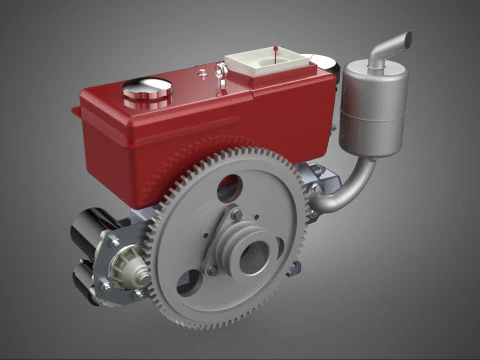
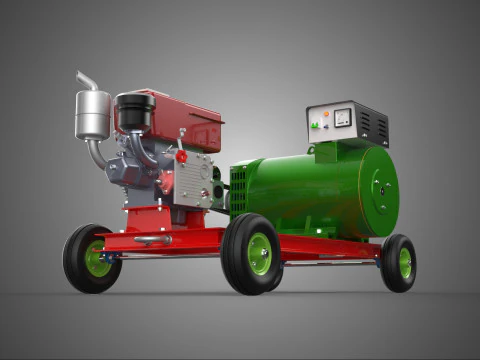
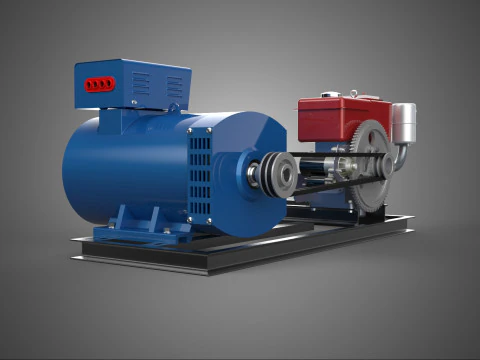
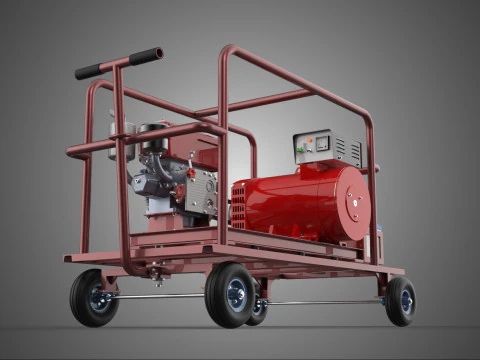
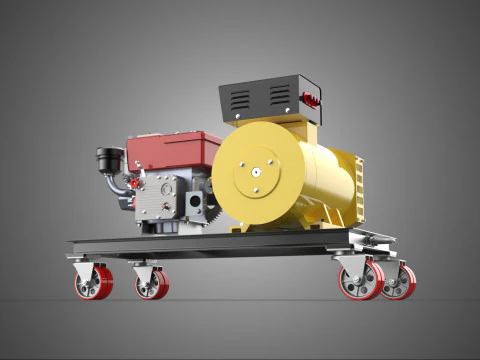
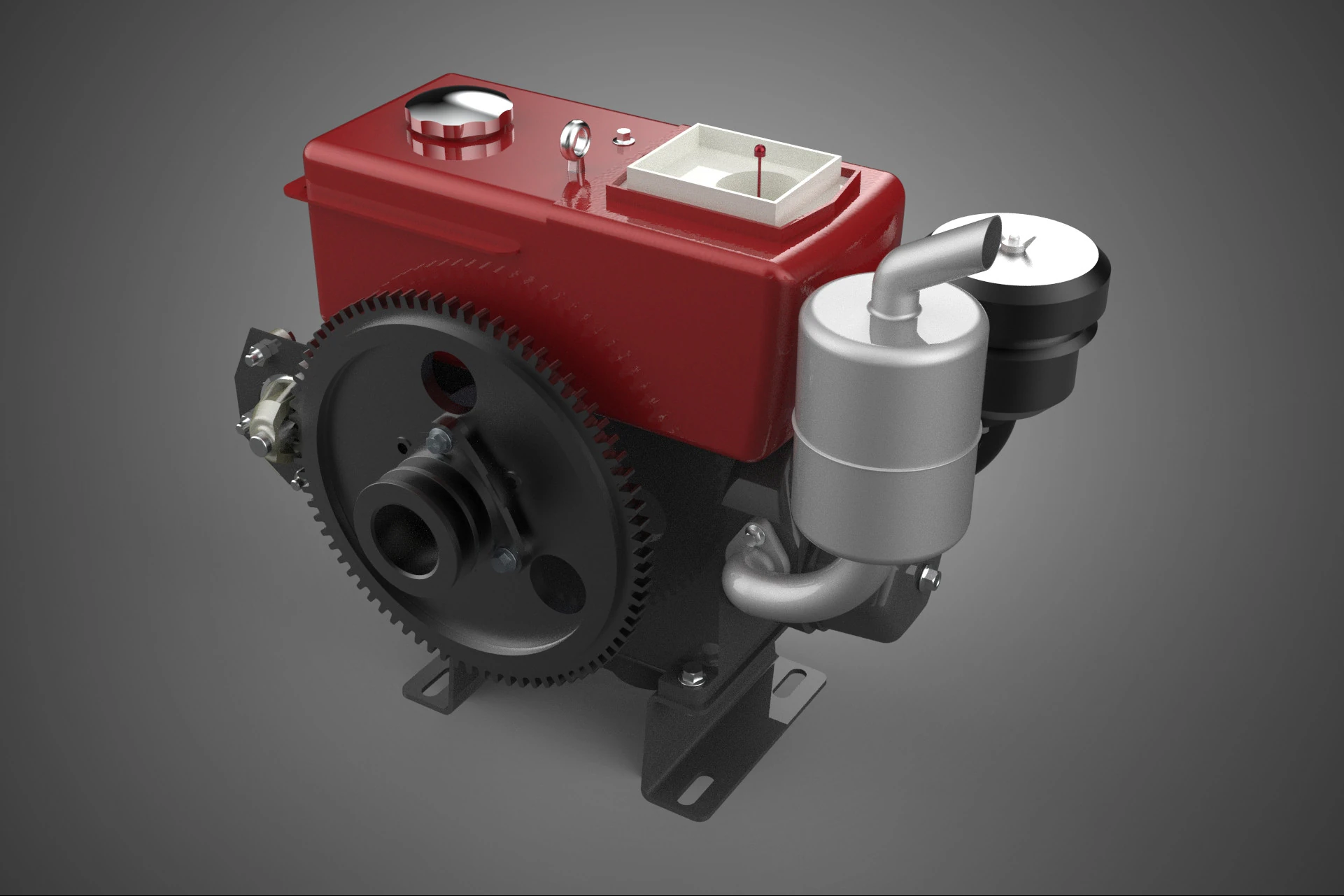
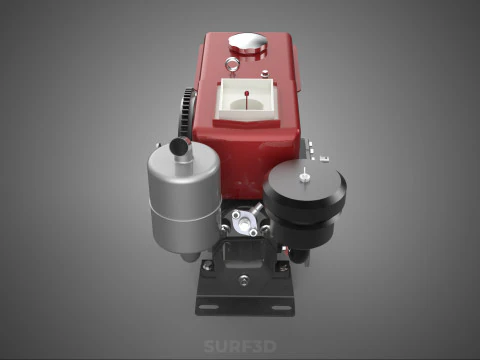
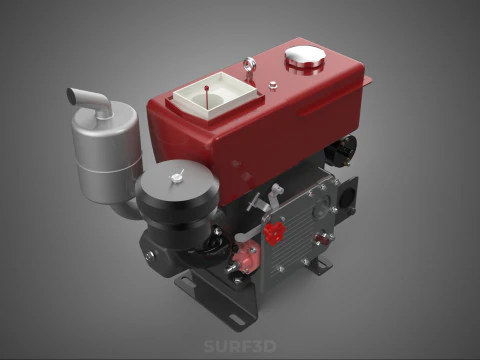
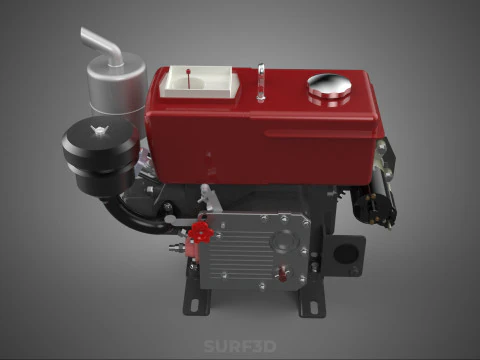
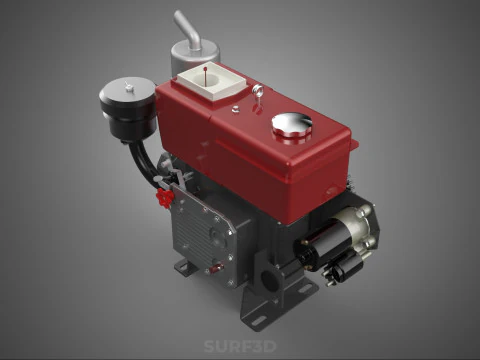
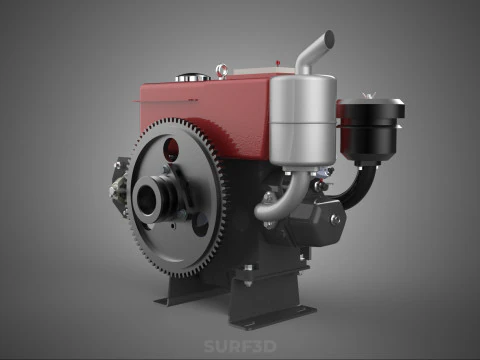
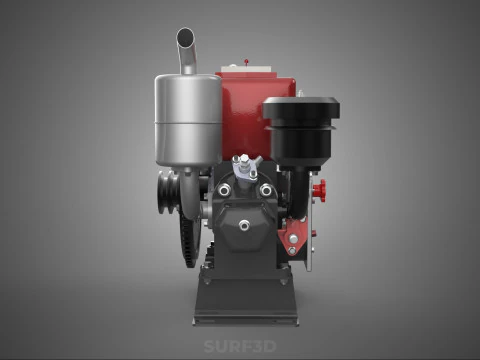
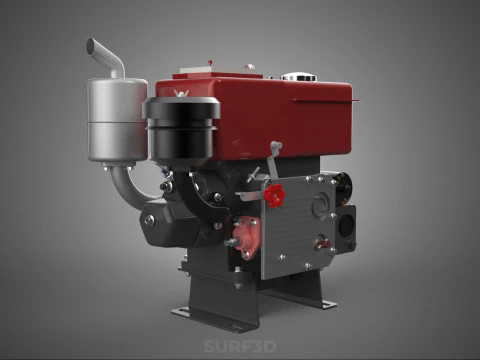
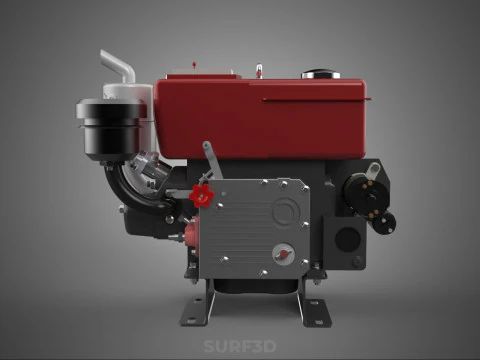
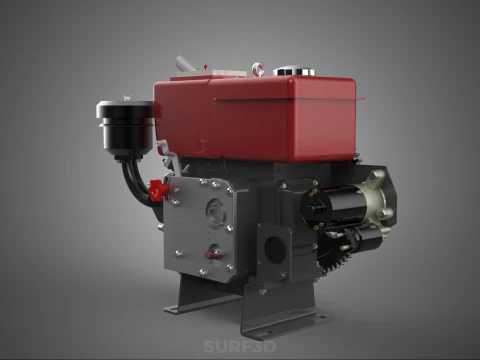
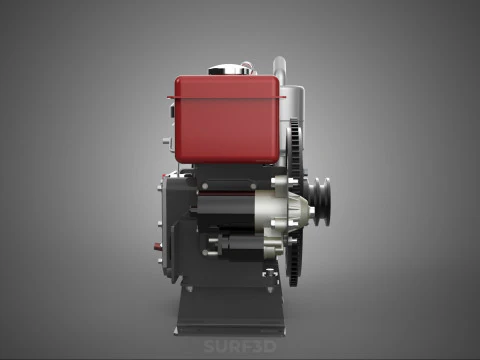
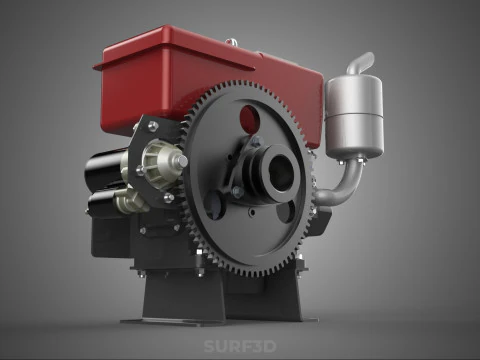
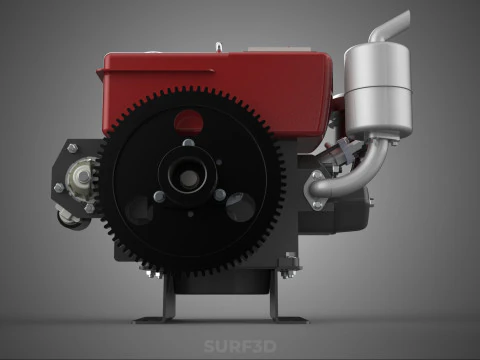
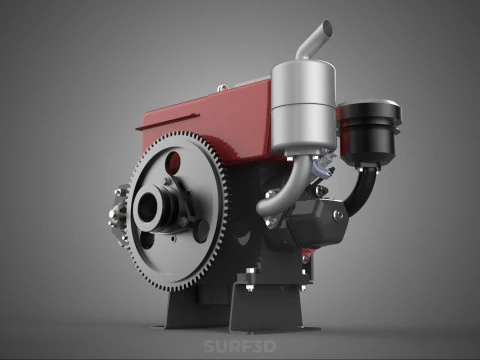
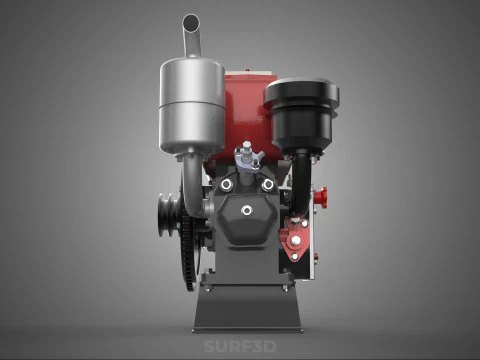
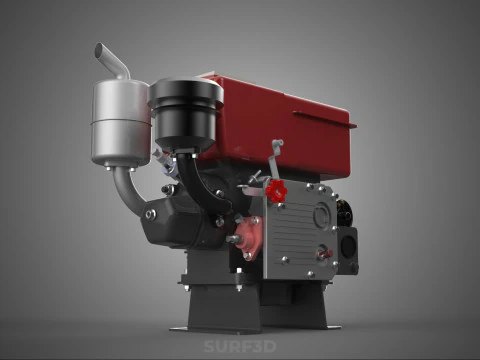
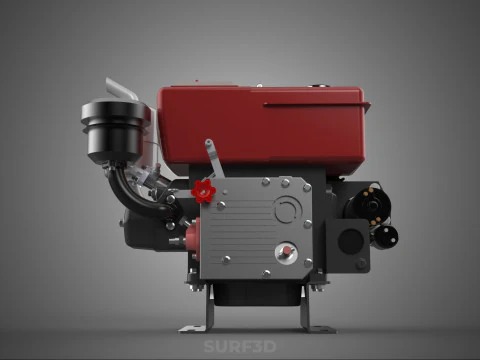
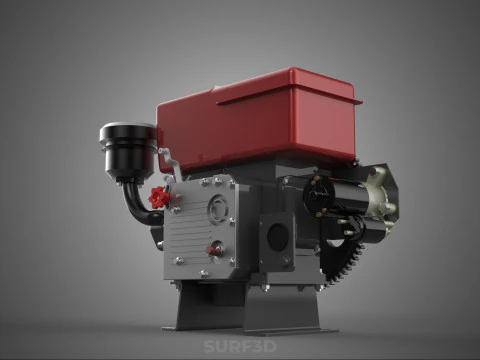
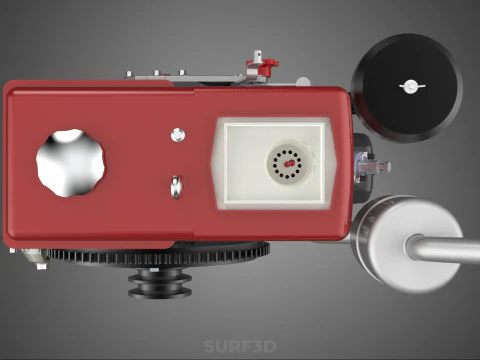
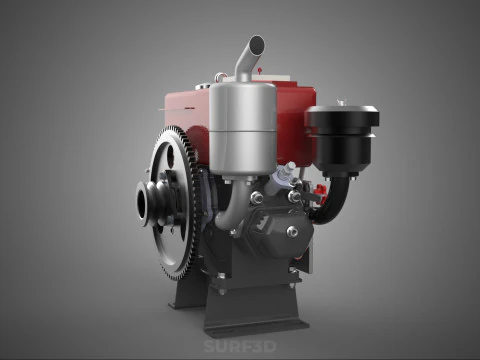
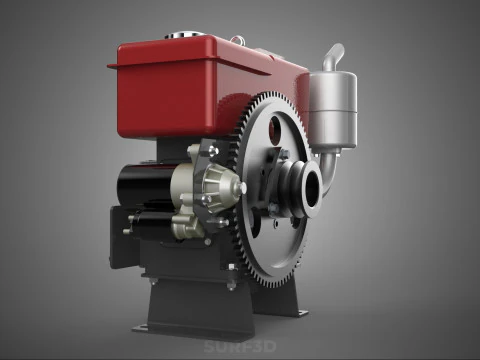
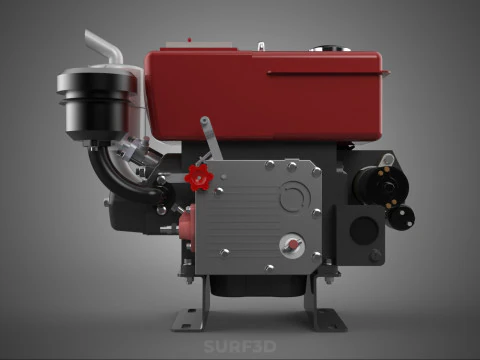
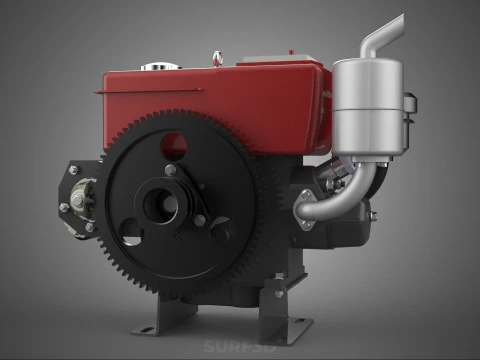
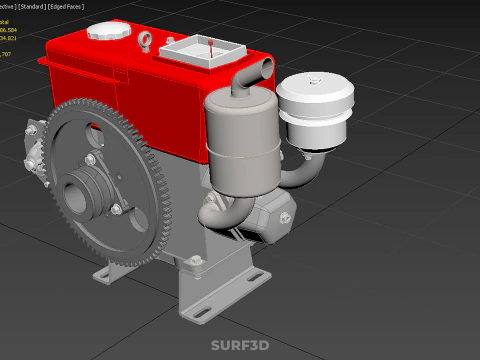
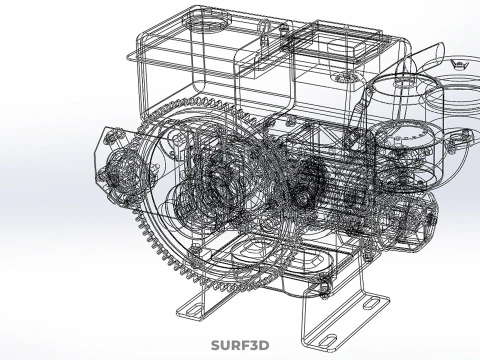
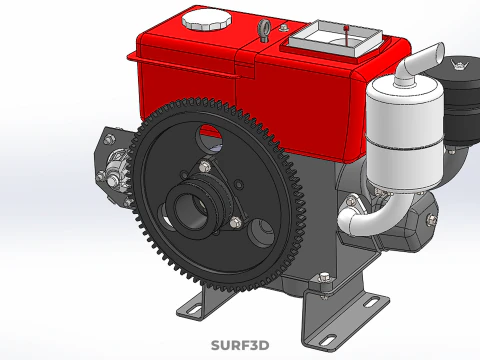
COMPACT DIESEL ENGINE AUTO ELECTRIC SELF STARTER MOTOR FLYWHEEL 3D Model

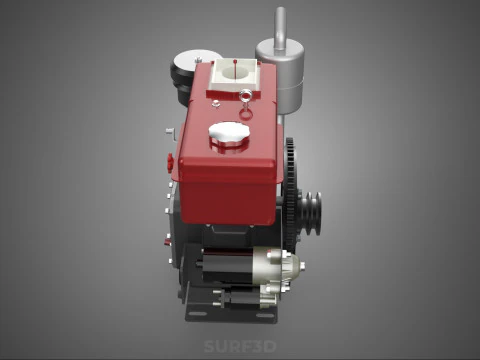
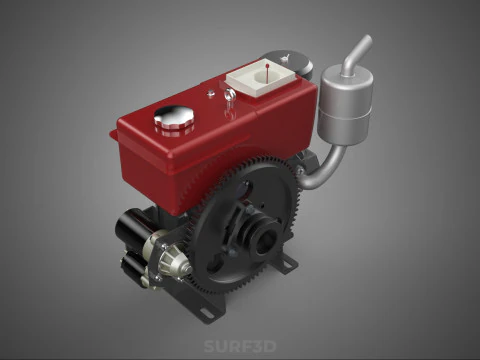
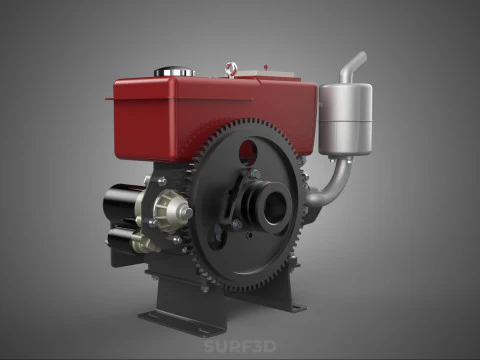
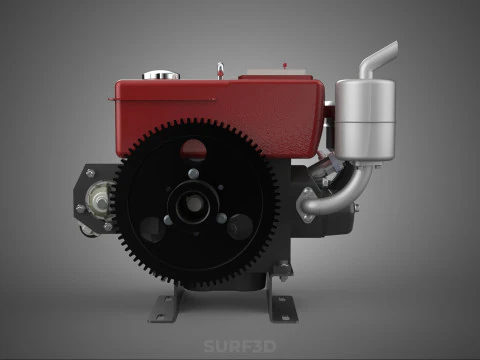
- Request product support by the author


- Available formats:
- Item ID:622265
- Date: 2026-01-09
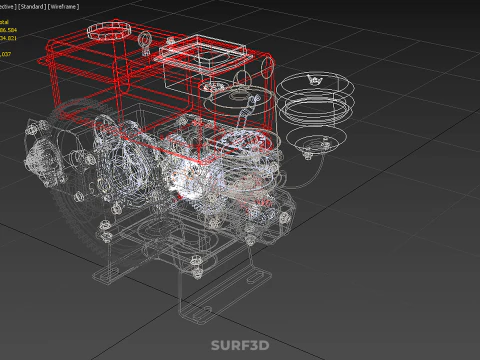
- Polygons:286584
- Vertices:234821
- Animated:No
- Textured:No
- Rigged:No
- Materials:
- Low-poly:No
- Collection:No
- UVW mapping:No
- Plugins Used:No
- Print Ready:No
- 3D Scan:No
- Adult content:No
- PBR:No
- AI Training:No
- Geometry:Poly NURBS
- Unwrapped UVs:Unknown
- Views:413
Description
High-quality 3D assets at affordable prices — trusted by designers, engineers, and creators worldwide. Made with care to be versatile, accessible, and ready for your pipeline.
Included File Formats
This model is provided in 14 widely supported formats, ensuring maximum compatibility:
• - FBX (.fbx) – Standard format for most 3D software and pipelines
• - OBJ + MTL (.obj, .mtl) – Wavefront format, widely used and compatible
• - STL (.stl) – Exported mesh geometry; may be suitable for 3D printing with adjustments
• - STEP (.step, .stp) – CAD format using NURBS surfaces
• - IGES (.iges, .igs) – Common format for CAD/CAM and engineering workflows (NURBS)
• - SAT (.sat) – ACIS solid model format (NURBS)
• - DAE (.dae) – Collada format for 3D applications and animations
• - glTF (.glb) – Modern, lightweight format for web, AR, and real-time engines
• - 3DS (.3ds) – Legacy format with broad software support
• - 3ds Max (.max) – Provided for 3ds Max users
• - Blender (.blend) – Provided for Blender users
• - SketchUp (.skp) – Compatible with all SketchUp versions
• - AutoCAD (.dwg) – Suitable for technical and architectural workflows
• - Rhino (.3dm) – Provided for Rhino users
Model Info
• - All files are checked and tested for integrity and correct content
• - Geometry uses real-world scale; model resolution varies depending on the product (high or low poly)
• • - Scene setup and mesh structure may vary depending on model complexity
• - Rendered using Luxion KeyShot
• - Affordable price with professional detailing
Buy with confidence. Quality and compatibility guaranteed.
If you have any questions about the file formats, feel free to send us a message — we're happy to assist you!
Sincerely,
SURF3D
Trusted source for professional and affordable 3D models.
More Information About 3D Model :
The compact diesel engine auto electric self-starter motor flywheel assembly represents a critical electro-mechanical subsystem responsible for initiating the rotational cycle of small-displacement compression-ignition engines. This integrated system is engineered to overcome the substantial static and dynamic resistance inherent in high-compression diesel architectures, ensuring the engine attains the minimum operational cranking speed necessary for autonomous combustion.
### Context of Compact Diesel Engines
Compact diesel engines, typically employed in small industrial machinery, agricultural equipment, light commercial vehicles, and portable generators, operate with compression ratios significantly higher than their gasoline counterparts (often exceeding 16:1). This elevated compression ratio is essential for spontaneous fuel ignition but necessitates a high-torque starting solution to overcome the compressive forces, especially under cold-start conditions where oil viscosity increases parasitic drag.
### The Electric Self-Starter Motor
The self-starter motor functions as the primary actuator. It is a robust, high-current, series-wound or permanent-magnet direct current (DC) motor designed specifically for intermittent, high-power density operation. Key components include:
1. **Solenoid Switch:** A dual-purpose electromagnetic device that closes the high-amperage circuit connecting the battery to the motor windings and mechanically translates the starter drive mechanism.
2. **Armature and Field Windings:** Designed to produce maximum torque at low rotational speeds, capitalizing on the high current draw during the initial cranking phase.
3. **Drive Mechanism:** The rotational force is transmitted via an overrunning clutch (such as a Bendix drive or, more commonly in modern systems, a pre-engaged drive) to the pinion gear.
The self-starter motor draws extremely high current (hundreds of amperes) for brief intervals, demanding a robust electrical infrastructure, typically 12V or 24V systems tailored for deep discharge capability.
### The Flywheel and Ring Gear Assembly
The flywheel serves multiple essential functions: storing rotational kinetic energy to smooth out the cyclical power impulses of the engine, maintaining crankshaft speed stability, and providing a coupling surface for the clutch (in vehicular applications).
For starting purposes, the flywheel incorporates a hardened steel **ring gear** pressed onto or secured around its circumference. This component acts as the mechanical interface for the starter motor. The ring gear teeth are engineered for durability, as they must withstand the high shock loading produced when the starter pinion engages and accelerates the entire rotating mass of the engine assembly.
### Engagement Dynamics and Torque Transmission
The starting sequence involves the temporary mechanical coupling of the starter motor’s pinion gear with the flywheel’s ring gear.
1. **Engagement:** Activation of the ignition switch energizes the solenoid, which pushes the pinion gear forward along the armature shaft. In pre-engaged systems, the pinion fully meshes with the ring gear *before* the solenoid completes the high-current circuit, minimizing destructive gear clash.
2. **Torque Multiplication:** The diameter disparity between the small pinion gear and the large ring gear provides a substantial gear reduction ratio (typically 15:1 to 25:1). This leverages the high speed, low torque output of the electric motor into the high torque, low speed rotation required at the crankshaft.
3. **Cranking Speed:** The goal of the self-starter is to accelerate the engine assembly to the required cranking speed (usually 150 to 300 RPM) necessary to achieve adiabatic compression temperatures high enough to initiate stable diesel combustion.
4. **Disengagement:** Once the engine begins to run autonomously, the rotational speed of the flywheel rapidly exceeds that of the starter pinion. The overrunning clutch mechanism automatically disengages the pinion from the ring gear, protecting the high-speed armature from centrifugal damage and preventing continuous parasitic drag on the running engine.
The performance and reliability of this coupled system are fundamental to the operational efficiency of the compact diesel engine, particularly in demanding environments.
KEYWORDS: Starter motor, diesel engine, flywheel, ring gear, solenoid, Bendix drive, pre-engaged system, high compression, cranking speed, automotive electronics, DC motor, series wound, armature, pinion gear, rotational inertia, ignition cycle, torque delivery, battery power, electrical system, intermittent operation, gear ratio, compact machinery, parasitic drag, compression ignition, cold starting, engine control, starting relay, transmission interface, overrunning clutch, mechanical engagement.
Need more formats?
If you need a different format, please send us a Conversion Request. We can convert 3D models to: .stl, .c4d, .obj, .fbx, .ma/.mb, .3ds, .3dm, .dxf/.dwg, .max. .blend, .skp, .glb. Free Format ConversionWe do not convert 3d scenes and solid formats such as .step, .iges, .stp, .sldprt etc!
Usage Information
COMPACT DIESEL ENGINE AUTO ELECTRIC SELF STARTER MOTOR FLYWHEEL - You can use this royalty-free 3D model for both personal and commercial purposes in accordance with the Basic or Extended License.The Basic License covers most standard use cases, including digital advertisements, design and visualization projects, business social media accounts, native apps, web apps, video games, and physical or digital end products (both free and sold).
The Extended License includes all rights granted under the Basic License, with no usage limitations, and allows the 3D model to be used in unlimited commercial projects under Royalty-Free terms.
Read more
Do you provide Money Back Guarantee?
Yes, we do. If you purchased a product and found some error in the renders or description, we'll try to fix the problem as soon as possible. If we cannot correct the error, we will cancel your order and you will get your money back within 24 hours from downloading the item. Read more conditions hereKeywords