


 Español
 Deutsch
 日本語
日本語 Polska
 Français
 한국의
한국의 Українська
 Italiano
 Nederlands
 Türkçe
 Português
 Bahasa Indonesia
 Русский
 中國
中國 हिंदी
हिंदी
















objects 3D Models
We have 233 item(s) Royalty free objects 3D Models. Buy or download free 3D models for your CG projects, film and video production, animation, visualizations, games, VR/AR, and others. You can download any 3d model in all popular 3d formats including MAX, OBJ, FBX, 3DS, STL, C4D, BLEND, MAYA
- -50%
 SillyToysMonsters and Creatures
 - -50%
 goodcreatorArchitecture
 - -50%
 DavideContiSigns and Logos















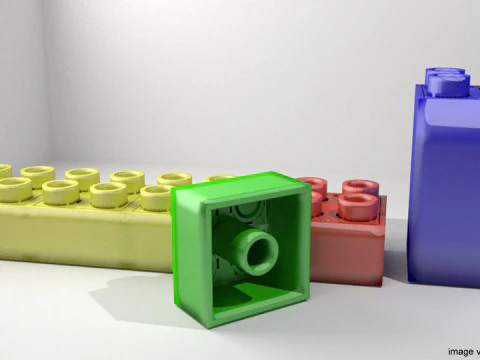


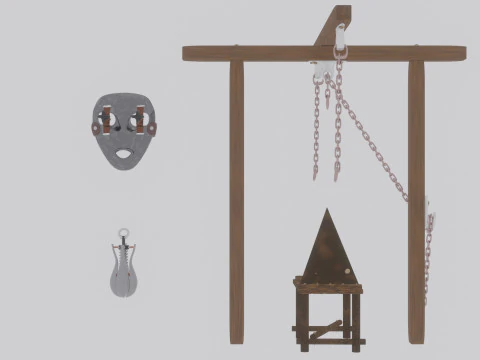
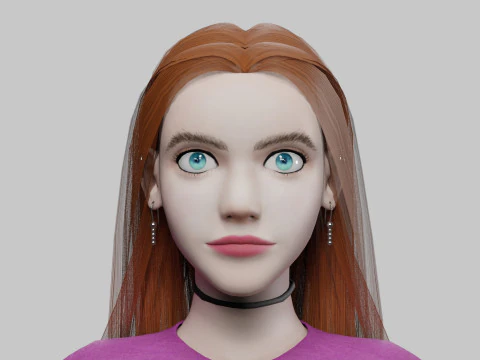
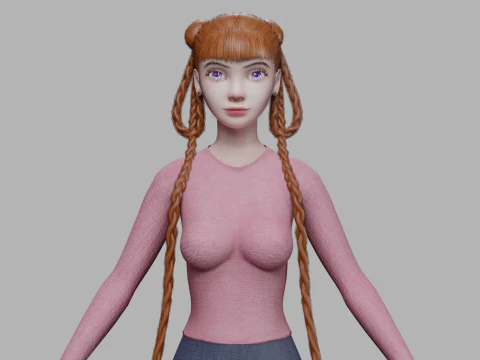


















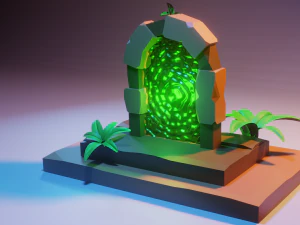
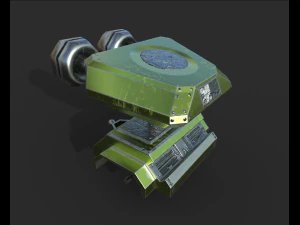
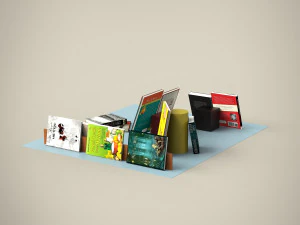

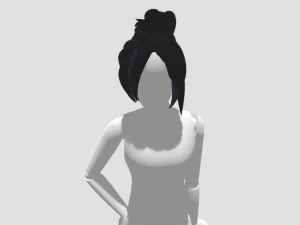


Trending searches 3D Models:
Sculpture 3D Models Characters 3D Models Kitchen 3D Models Horse 3D Models Architectural Exteriors 3D Models Phone and Cell Phone 3D Models Vegetable 3D Models Jewellery 3D Models Toys 3D Models Medical 3D Models Helicopter 3D Models Heavy Weapon 3D Models Truck 3D Models Anatomy 3D ModelsQ1: What categories of 3D objects are available on 3DExport?
The catalog is broad — furniture, household items, electronics, food and drink props, industrial tools, weapons, vehicles, architectural elements, and decorative objects. For archviz specifically, the furniture and interior props category is deep: sofas, dining sets, kitchen appliances, lighting fixtures. Game developers tend to reach for the props section — crates, barrels, signage, generic environment dressing. The distinction between "prop" and "hero asset" matters in production: a prop is something the camera passes, a hero asset is something it lingers on. Most affordable 3D objects are prop-quality — perfectly fine for background use but not close-up renders. Filter by texture resolution and polycount to find assets worth camera time.
Q2: How do I find 3D objects optimized for real-time rendering?
Look for listings that specify "game-ready," "PBR textures," and "low-poly." PBR (Physically Based Rendering) materials — roughness, metallic, and normal maps packed in standard channels — work correctly in both Unreal Engine 5 and Unity without shader rework. Polygon count is the other filter: real-time props typically run under 10,000 triangles. One thing most search filters don't expose is draw call count — a single "low-poly object" with 12 separate material slots is actually worse for performance than a higher-poly object with one atlas. If the product page shows many separate texture files rather than one or two atlases, factor in that optimization cost.
Q3: Are 3D objects on 3DExport suitable for use in AR/VR applications?
Most can be adapted, but "suitable" depends on your platform. ARKit and ARCore (iOS and Android) handle GLB/GLTF natively — and many objects on 3DExport export to GLB. The hard constraint is polygon budget: AR experiences on mobile devices typically cap hero objects at 50,000 triangles, with texture atlases no larger than 2K. VR for PC headsets (Quest 3, Vision Pro passthrough, PC VR) can handle more, but still benefits from clean LOD chains. The bigger issue is often scale — many 3D objects are modeled in arbitrary units. Always verify real-world dimensions in the product description. A coffee table modeled at 10 meters wide is useless in an AR scene without knowing what scale correction to apply.
Q4: Can I use 3D objects from 3DExport in Blender for commercial renders?
Yes — the standard commercial license covers this. Import OBJ or FBX into Blender 4.x, assign PBR materials using the Principled BSDF shader, and render with Cycles or EEVEE Next. One practical issue: many FBX files import with incorrect gamma on textures in Blender. Set your color management to "sRGB" for diffuse/albedo maps and "Non-Color" for roughness, metallic, and normal maps — this is a manual step that Blender doesn't always handle automatically on import. If textures look blown out or washed, that's the cause 80% of the time.